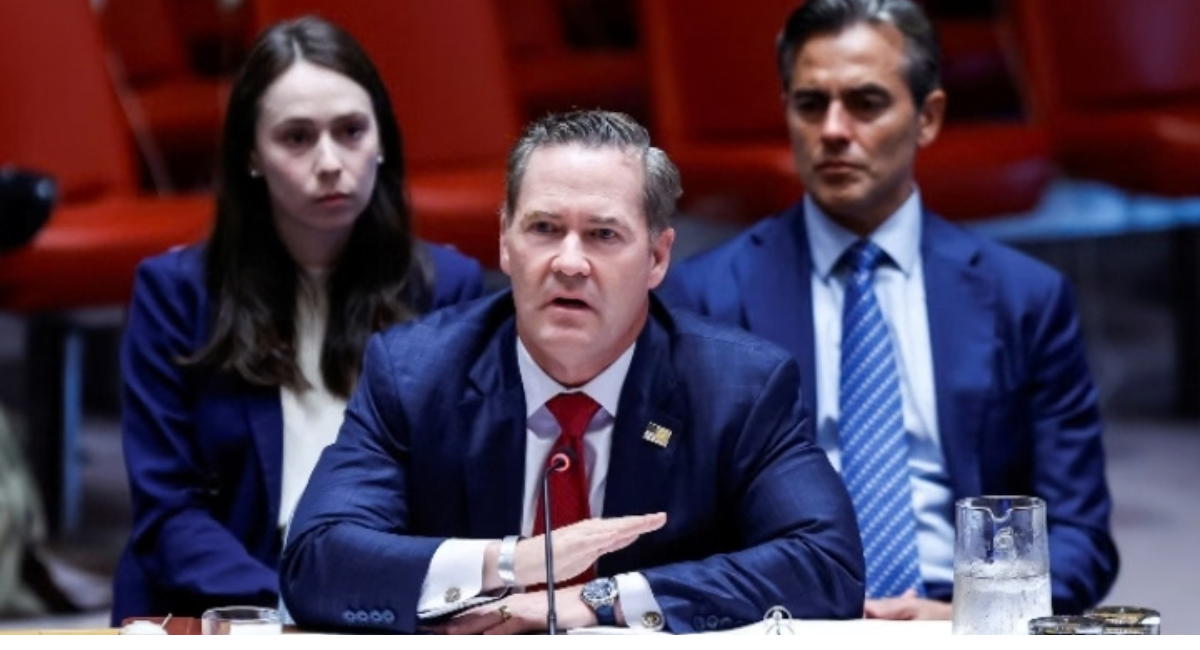
On Saturday, September 27, US Ambassador to the United Nations Mike Waltz said on CNN’s “State of the Union” that Iran wanted to secure some of its conditions and demands before entering into negotiations. The 14-point framework agreement, the prediction of a devastating war, US control over the Strait of Hormuz, and the demand for billions of dollars in sanctions relief are discussed in detail below.
Table of Contents
Demand for Billions of Dollars in Sanctions Relief
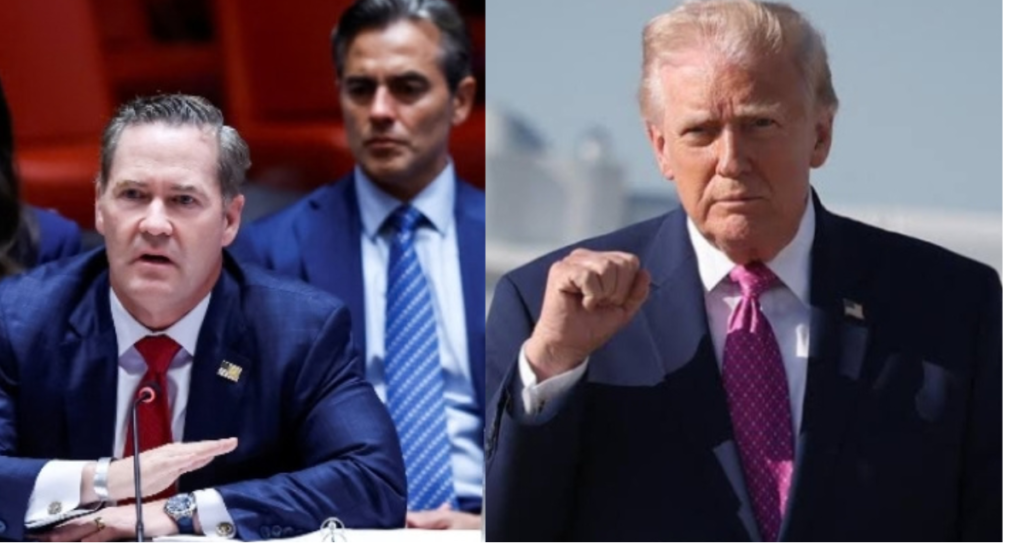
US Ambassador Mike Waltz supported President Donald Trump’s position, saying on “State of the Union” that Iran was demanding relief from billions of dollars in sanctions before negotiations. These sanctions were imposed to put economic pressure on Iran and prevent it from targeting commercial and international shipping passing through the Strait of Hormuz.
According to Waltz, Iran was also seeking an end to United Nations snapback sanctions and access to billions of dollars in frozen assets.
Iranian Negotiations Under Suspicion
Mike Waltz further said that Iran was trying to secure its conditions and demands before negotiations. This has led President Trump to question whether Iran is moving forward in good faith and whether the United States can genuinely negotiate an end to Iran’s nuclear program.
Waltz said Iran was “asking for everything up front with a promise that they would then talk.”
US Control Over the Strait of Hormuz
Trump rejected Iran’s proposal to reopen the Strait of Hormuz and resume talks over its nuclear program. Trump said that Iran wanted an agreement to reopen the strait because it was facing severe pressure, while he claimed that the United States had “total control” of the Strait of Hormuz.
14-Point Framework Agreement
On Sunday, President Donald Trump told Axios that he expected further talks with Iran in the coming days. According to the reports, Iran was prepared for negotiations under conditions that differed from what the United States currently wanted.
Waltz also referred to the failed US-Iran Memorandum of Understanding signed in Pakistan in June, which had established a 14-point framework for negotiated peace.
Trump said that if Iran had adopted a different strategy earlier, the two sides might have reached an agreement a year ago. However, according to his position, circumstances had now changed and the United States was seeking different terms.
International Shipping and Condemnation by 146 Countries
Waltz said Iran had violated international law by attacking international shipping after the earlier MOU. He said that 146 countries had joined the United States in condemning those attacks.
Warning of a Devastating War
Iranian Foreign Minister Abbas Araghchi said on NBC’s “Meet the Press” that Iran was prepared to fight the United States. He said President Trump had rejected Iran’s peace proposal, but Iran had not abandoned diplomacy.
Araghchi said Iran was prepared for renewed conflict and would respond to any aggression, even if the situation escalated into what he described as a “doomsday war.”
Nuclear Weapons and the Use of Force
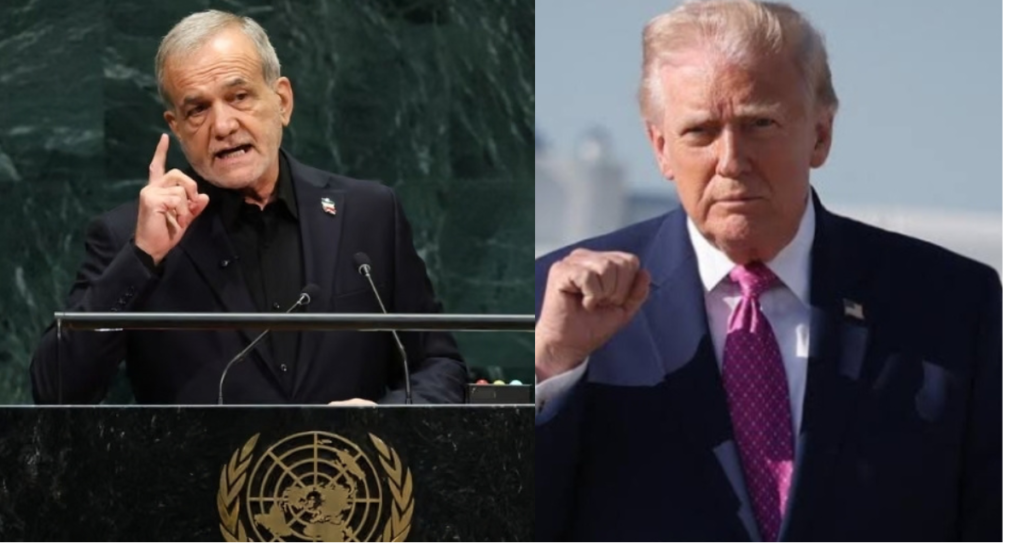
Iranian President Masoud Pezeshkian said in an interview with CBS’s “Face the Nation” that Iran was prepared to negotiate over peace and its nuclear program, but argued that the United States could not impose its conditions through threats or the use of force.
He also said Iran did not want war but was prepared to defend itself against pressure, threats and attacks. Iran has maintained that it does not intend to develop nuclear weapons.
The Strait of Hormuz as a Tool of Pressure
Mike Waltz said President Donald Trump had discussed the Iran issue with Chinese President Xi Jinping during his visit to Washington. Waltz pointed to statements following the high-level meeting in which the United States and China agreed that Iran should never have a nuclear weapon.
Waltz also said that Iran should not target international shipping in an international waterway. He described Xi’s comments following the summit as important in the context of the Strait of Hormuz and international shipping.
Midterm Elections and Iran
Waltz rejected a Wall Street Journal report claiming that the United States would resume bombing Iran after the November midterm elections. He said the president himself had not made such a statement and described it as reporting by a newspaper.
Waltz instead referred to Trump’s comments that Iran was miscalculating and said the president wanted to make not only the current generation but also the next generation safer.
Waltz’s Strong Position on Iran and the IRGC
According to Waltz, President Trump wants to make both the current and future generations safer. He said the Islamic Revolutionary Guard Corps (IRGC) has significant control over the Iranian government and, according to the US position, wants to move toward obtaining a nuclear weapon.
Waltz made clear that the United States would not allow the IRGC to obtain a nuclear weapon or use such a weapon to hold the world hostage.
Conclusion
The United States considers Iran’s nuclear program and the role of the IRGC major issues for regional and international security. Waltz has made clear that preventing Iran from obtaining a nuclear weapon remains a key priority for the Trump administration. At the same time, Iran has continued to say that diplomacy remains possible, leaving negotiations as an important part of the ongoing dispute.
FAQS
- What did Mike Waltz say about Iran negotiations?
Mike Waltz said Iran was not negotiating in good faith and wanted to secure key demands before talks. - What does Iran want from the negotiations?
According to the US position, Iran wants sanctions relief and other conditions addressed before moving forward with negotiations. - What is the main issue in the Iran negotiations?
Iran’s nuclear program, sanctions relief, and the Strait of Hormuz are among the major issues discussed. - What did Donald Trump say about Iran negotiations?
Trump said Iran wants a deal, but not the type of agreement he currently wants. - What is the Strait of Hormuz issue?
The Strait of Hormuz is a major international shipping route, making its security important for global trade and energy supplies. - What is the US position on Iran’s nuclear program?
The US says Iran should not obtain nuclear weapons and has made the nuclear issue a key part of the negotiations.

I am the founder and writer at Duniya Time.com, a news website focused on national and international news, social issues, and history. With a background in Islamic History, I write research-based articles in a clear and honest style. My goal is to share accurate information, thoughtful analysis, and meaningful stories that help readers stay informed and understand the world better.