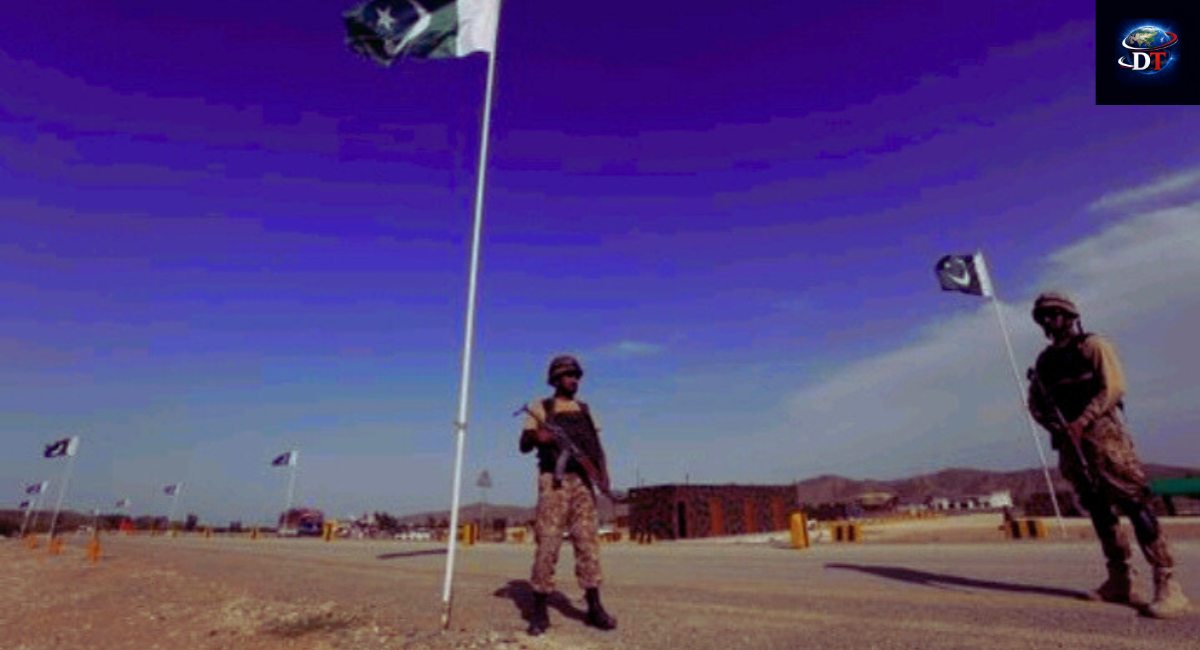
The Pak-Afghan border firing has once again raised serious concerns about peace and stability in the region. Recent clashes between Pakistan and Afghanistan show how fragile relations remain and why urgent diplomacy is needed.
Table of Contents
1. What Happened in the Latest Pak-Afghan Border Firing
According to officials, cross-border gunfire started near Torkham and Tirah after alleged aggression by the Afghan Taliban. Pakistan’s security forces responded immediately to protect border posts and civilians.This incident quickly became major news because both countries already have tense relations. Each side blamed the other for starting the violence, which increased fear among local residents living near the frontier.
2. Statement by Pakistan’s Government Officials
Prime Minister spokesperson Mosharraf Zaidi said Pakistan’s forces acted in self-defence.He warned that any further provocation would be answered strongly.Officials also repeated their position that militant groups are using Afghan territory to plan attacks inside Pakistan. These claims have been denied by Afghan authorities.
3. Air Strikes Inside Afghan Territory
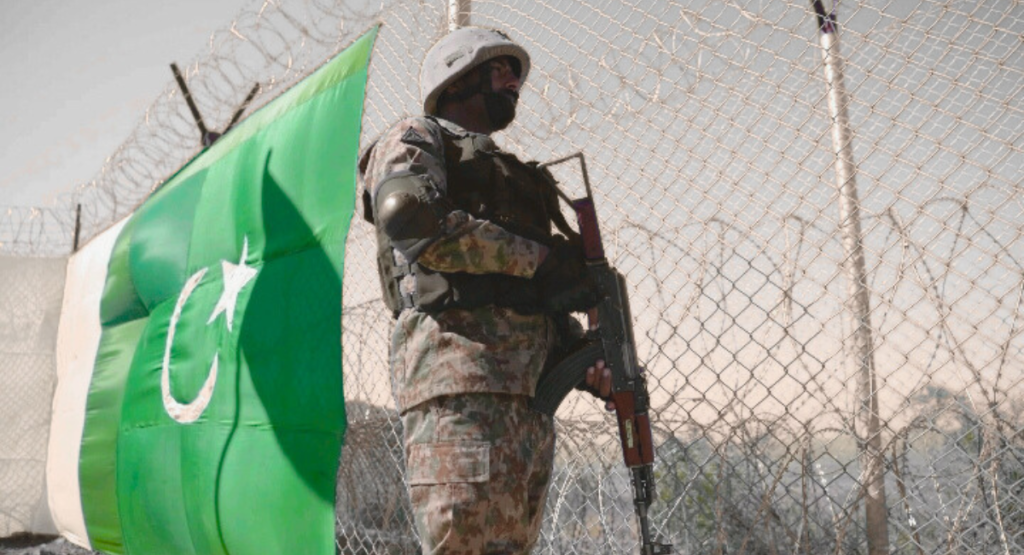
Before the border firing, Pakistan carried out air strikes in Nangarhar and Paktika provinces targeting suspected militant camps. Officials claimed dozens of fighters linked to the Tehreek‑i‑Taliban Pakistan were killed.Afghan officials rejected the claims and said civilians were harmed. This disagreement has made the situation more complicated and emotional for both countries.
4. Rising Terrorism Concerns in Pakistan
Pakistan has faced a rise in attacks since the Taliban returned to power in Kabul in 2021. Security forces report suicide attacks and assaults in Khyber Pakhtunkhwa and other areas.Many of these attacks were blamed on militants crossing the border. Islamabad believes that safe havens across the frontier allow groups to regroup and plan operations.
5. Afghan Government’s Response
Afghan officials denied allowing militant groups to operate from their land. They warned Pakistan against air strikes and said sovereignty must be respected.The Afghan side also claimed that civilian homes were damaged during the strikes. These statements were reported widely by media outlets, including Al Jazeera.
6. Impact on Local Communities
Border clashes affect ordinary people the most. Villagers living near Torkham crossing face fear, displacement, and loss of business.Trade routes are also disrupted. Many families depend on cross-border trade for income. Every new clash creates economic problems and uncertainty.
7. Diplomatic Relations Under Pressure
Relations between Islamabad and Kabul have worsened in recent months. Meetings between officials have failed to produce lasting solutions.Prime Minister Shehbaz Sharif has repeatedly asked Afghan authorities to act against militant groups. Kabul insists Pakistan should solve its internal security problems without blaming others.
8. Regional Security Concerns
The Pak-Afghan border firing is not just a local issue. It affects regional peace and security. Neighboring countries watch closely because instability can spread across South Asia.Experts warn that continued clashes may increase refugee flows, smuggling, and militant activity. This is why international diplomacy is important.
9. Possible Solutions to Reduce Tensions
Experts suggest a few practical steps:
- Strong border coordination between both countries
- Intelligence sharing on militant threats
- Trade agreements to build trust
- Talks through neutral mediators
Confidence-building measures can slowly reduce suspicion and improve relations.
10. Future Outlook for Pak-Afghan Relations
The future depends on political will. Both governments must balance security needs with diplomacy. Military action alone cannot solve long-term problems.Dialogue, economic cooperation, and counter-terror coordination are necessary to prevent another crisis.
conclusion
Pak-Afghan border firing highlights deep mistrust and security fears on both sides. Without honest talks and joint action, tensions may continue. Peace at the border is essential for stability, trade, and the safety of millions in the region.
FAQs About Pak-Afghan Border Firing
1. What is Pak-Afghan border firing?
Pak-Afghan border firing refers to armed clashes or exchange of gunfire between forces of Pakistan and Afghanistan along their shared frontier. These incidents often happen due to security disputes or militant activity.
2. Why did the latest Pak-Afghan border firing happen?
According to Pakistani officials, the firing started after alleged aggression by the Afghan Taliban near Torkham and Tirah. Afghanistan denied the claims, saying Pakistan’s actions caused the escalation.
3. What role does Tehreek-i-Taliban Pakistan play in the conflict?
Pakistan says militants from Tehreek-i-Taliban Pakistan use Afghan territory to plan attacks inside Pakistan. Afghan authorities reject this claim and say they do not support such groups.
4. How do border clashes affect local people?
Border firing forces families to leave homes, disrupts trade, and damages property. Many people living near crossing points like Torkham depend on trade and suffer economic losses during tension.
5. What steps can reduce Pak-Afghan border firing?
Experts suggest better border coordination, intelligence sharing, peace talks, and trade cooperation. Leaders like Shehbaz Sharif have called for dialogue to improve relations.
6. Is this conflict new?
No. Pakistan and Afghanistan have had border tensions for years, especially after the Taliban returned to power in 2021. Disputes over security and militant groups continue to cause clashes.
7. Can diplomacy solve Pak-Afghan border firing issues?
Yes. Many analysts believe regular talks, trust-building measures, and regional cooperation can reduce violence and bring stability to the border region.

I am the founder and writer at Duniya Time.com, a news website focused on national and international news, social issues, and history. With a background in Islamic History, I write research-based articles in a clear and honest style. My goal is to share accurate information, thoughtful analysis, and meaningful stories that help readers stay informed and understand the world better.