The Trump-Spain-UK Iran War crisis is reshaping global politics fast. As fighting with Iran expands, sharp talks between Washington, Madrid, and London reveal deep cracks inside Western alliances and raise fresh legal and economic questions.
Table of Contents
Trump Spain-UK Iran War Sparks Diplomatic Rift
The Trump-Spain-UK-Iran War dispute has moved beyond the battlefield and into diplomacy. Donald Trump openly criticised Spain and the United Kingdom after both governments questioned the legality of US and Israeli strikes on Iran. His remarks signaled growing frustration with European allies at a time when Washington expected firm support.
Tensions escalated when Spain refused to allow US aircraft to use its military bases for operations linked to Iran. Trump responded by threatening trade measures, a move that could affect broader economic ties.
Spain’s Position Under Pedro Sanchez
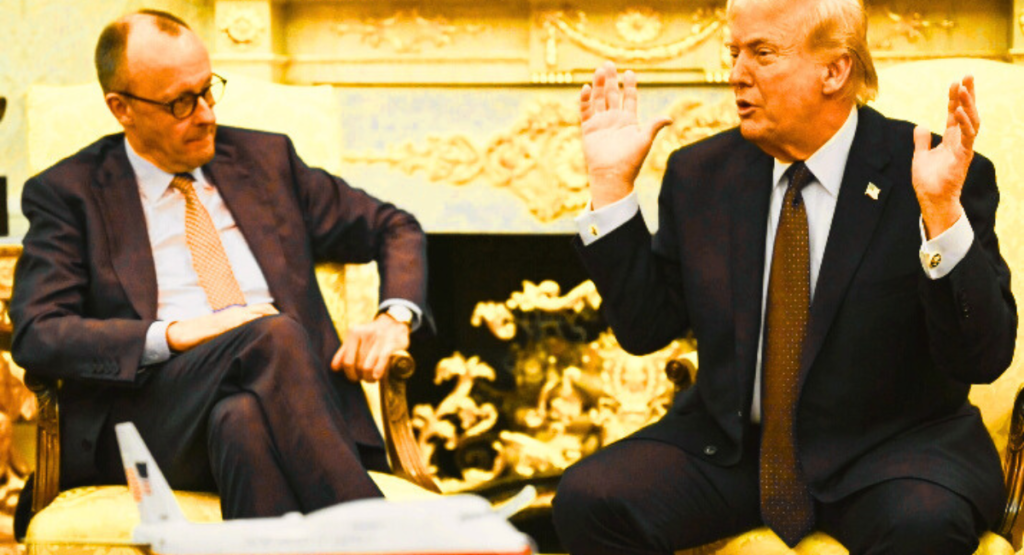
Spain’s Prime Minister Pedro Sanchez described the strikes on Iran as a breach of international law. His government maintained that military action must follow legal frameworks and international agreements.
Madrid’s refusal to permit US military use of Spanish bases reflects domestic political pressure as well. Spain has a left-leaning coalition government, and public opinion often favors diplomatic solutions over military escalation. By taking this stand, Spain signaled that alliance membership does not mean automatic approval of every military operation.
UK Response and Keir Starmer’s Cautious
ApproachIn London, Prime Minister Keir Starmer adopted a careful tone. He stated that he did not support regime change from the skies and emphasized the need for a clear legal and strategic plan.Initially, Britain delayed allowing US forces to use certain bases. Later, London described its support as limited and defensive.
This shift highlights the delicate balance the UK faces between maintaining its special relationship with Washington and responding to domestic concerns about legality and escalation.
US Frustration and Trade Threats
Trump’s frustration was direct. He threatened to cut trade ties with Spain, a strong statement that raised questions about economic fallout. The United States and Spain share significant trade links in defense, agriculture, andenergy.Using trade as leverage in a military dispute could have ripple effects across the European Union.
It also signals that Washington is willing to mix economic and security policy tools in response to diplomatic disagreement.
France Steps In as Mediterranean Tensions Rise
While Spain and the UK showed caution, France moved visibly. President Emmanuel Macron ordered an aircraft carrier group to the Mediterranean. Paris also suggested that the strikes fell outside international law.France’s response shows how European powers are navigating the crisis differently.
Some seek deterrence through military presence, while still questioning the legality of the operation. This mixed approach reflects wider European unease.
NATO Unity Faces New Pressure
The Trump-Spain-UK Iran War dispute places new strain on NATO unity. The alliance is built on collective defense, but members often disagree on offensive operations outside NATO’s direct framework.Spain’s objection to increased defense spending and military access further complicates the picture.
If disagreements deepen, NATO could face internal divisions at a moment when global security challenges are increasing.
Public Opinion in Britain and Europe
Public opinion plays a major role in shaping policy. Polls in Britain show significant opposition to US strikes on Iran. European citizens are wary of another long military conflict in the Middle East.Leaders in Madrid and London must consider voters who fear economic instability, energy price spikes, and refugee flows. These domestic pressures limit how far governments can align with Washington’s strategy.
Legal Debate Over International Law
At the heart of the Trump Spain, UK Iran War crisis is a legal argument. Critics say the strikes lacked clear international authorization. Supporters argue they were defensive and necessary.International law requires either self-defense or UN Security Council approval for military action. Without broad international backing, disputes over legality can weaken coalition unity and global legitimacy.
Economic Risks and Global Markets
Military conflict in the Middle East often triggers oil price volatility. Rising energy costs can fuel inflation and strain fragile economies. European states, already facing economic challenges, are cautious about actions that could worsen financial pressure.Trade threats against Spain add another layer of uncertainty.
Investors watch such disputes closely because they affect supply chains, defense contracts, and diplomatic stability.
Future of US Europe Relations
The Trump-Spain-UK Iran War episode may reshape transatlantic relations. Strong language from Washington contrasts with more measured responses from European capitals.If tensions continue, Europe may push for greater strategic autonomy in foreign policy.
At the same time, security cooperation remains essential. The challenge will be rebuilding trust while managing differences over military intervention.
conclusion
The Trump-Spain-UK Iran War crisis exposes cracks in Western unity. Disputes over legality, strategy, and trade reveal shifting alliances. How Washington, Madrid, and London manage this moment will shape future US European relations and global stability.
FAQs (Frequently Asked Questions)
1. Why did Donald Trump threaten to cut trade with Spain?
Donald Trump expressed anger toward Spain because it reportedly refused to allow the use of its military bases for strikes on Iran. This disagreement triggered his warning about possible trade consequences.
2. What is Spain’s official position?
Spain’s Prime Minister, Pedro Sánchez, stated that any attack on Iran could violate international law. Spain has emphasized the importance of respecting legal and diplomatic frameworks before taking military action.
3. What was the UK’s reaction?
UK Prime Minister Keir Starmer said that regime change should not be pursued through military strikes. He stressed that all actions must remain within an established legal framework.
4. Are US–UK relations facing tension?
Recent public statements suggest policy differences between the United States and the United Kingdom, especially regarding how to handle the Iran conflict. While not a complete breakdown in relations, these differences indicate growing diplomatic strain.
.
5. How could this conflict affect the global economy?
Rising tensions in the Middle East often push oil prices higher. This can increase inflation and create pressure on global trade markets, impacting economies world.

I am the founder and writer at Duniya Time.com, a news website focused on national and international news, social issues, and history. With a background in Islamic History, I write research-based articles in a clear and honest style. My goal is to share accurate information, thoughtful analysis, and meaningful stories that help readers stay informed and understand the world better.