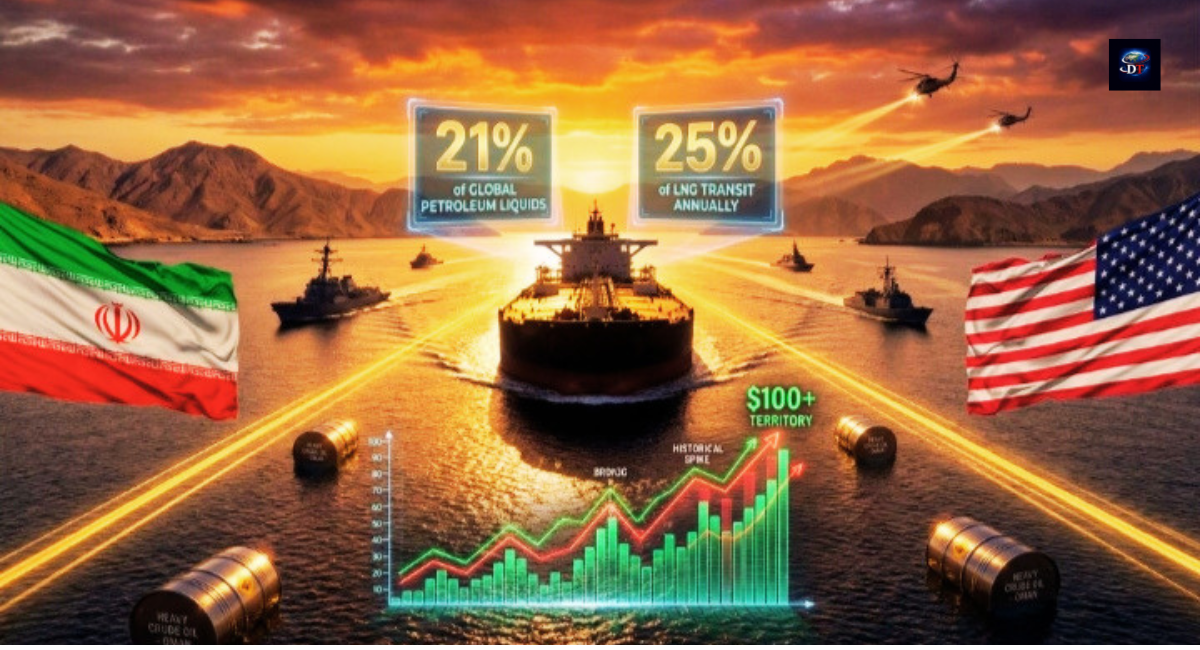
The US Iran Peace Deal is once again in global focus as fresh developments hint at a possible breakthrough between Washington and Tehran. Markets, political leaders, and regional powers are all reacting to the shifting situation. While optimism is rising, uncertainty still remains over key issues. This potential agreement is not just about two countries, it carries major implications for oil prices, regional stability, and the broader global economy.
Table of Contents
Oil Prices Drop as Hopes Rise
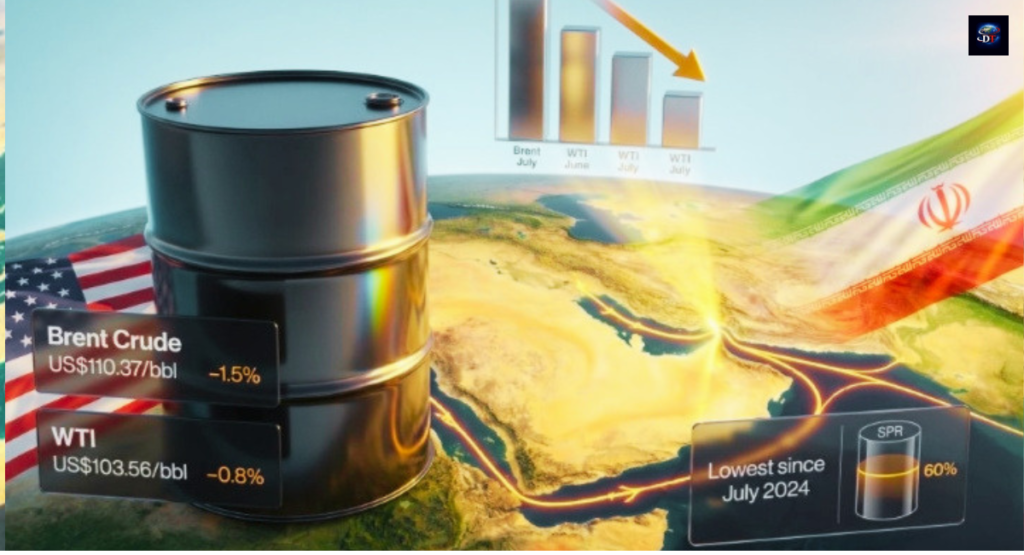
Global oil markets reacted quickly to the US Iran Peace Deal news. Prices fell sharply as traders expected smoother supply routes, especially through the Strait of Hormuz. This route carries a large portion of the world’s oil, so any sign of stability directly impacts pricing. Investors showed cautious optimism, not full confidence yet. Markets often move ahead of actual agreements, which is exactly what happened here. While prices dropped, experts believe volatility will continue until a final agreement is officially signed and implemented across all involved regions.
Strait of Hormuz Becomes Key Focus
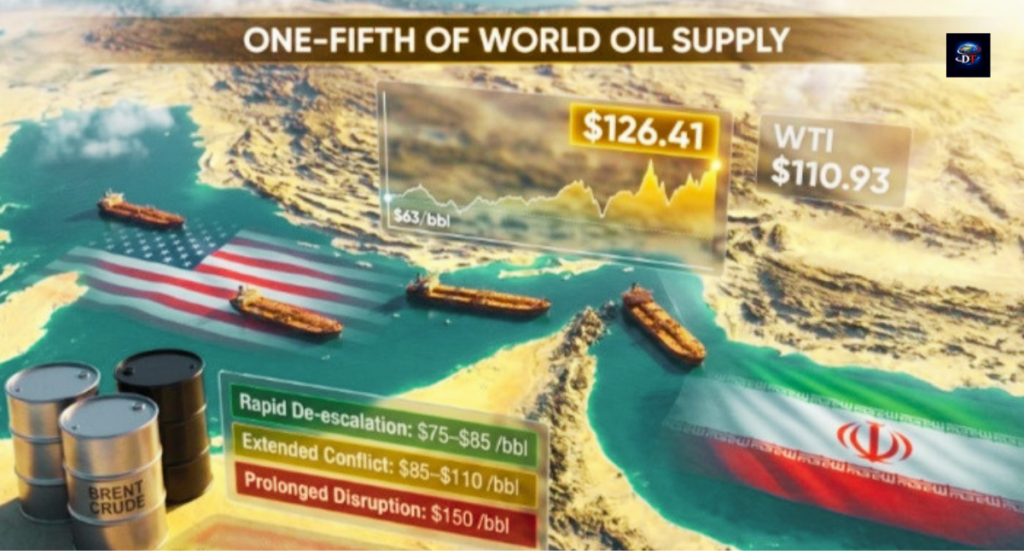
The Strait of Hormuz remains the center of attention in this situation. Any agreement under the US Iran Peace Deal will likely include reopening this critical waterway. For months, blockades have limited oil flow, raising global concerns. If fully reopened, it could stabilize energy markets and reduce pressure on oil-importing countries. However, security concerns remain unresolved. Military tensions and regional conflicts still pose risks. A complete reopening will depend on strong enforcement measures and trust between both nations.
Political Tensions Still Exist
Despite progress, the US Iran Peace Deal is far from complete. Both sides continue to disagree on important issues such as sanctions and military presence. Political pressure inside the United States is also slowing down the process. Some leaders believe the deal may weaken strategic influence in the region. On the Iranian side, internal communication challenges are reportedly delaying responses. These factors show that while optimism exists, serious gaps still need to be addressed before any final agreement is reached.
Trump’s Careful Negotiation Strategy
Former President Donald Trump has taken a cautious approach toward the US Iran Peace Deal. He has clearly stated that negotiations should not be rushed. According to him, a strong agreement requires time and careful planning. This strategy reflects lessons from past deals that faced criticism later. His statements also aim to manage expectations both domestically and internationally. While some critics disagree with his pace, others see it as a way to ensure long-term stability rather than a quick but weak compromise.
Impact on Global Financial Markets
Financial markets across the world are already reacting to developments in the US Iran Peace Deal. Stock markets showed positive movement, especially in Asia. Investors are shifting toward riskier assets, expecting improved global stability. Currency markets also reflected changes, with the US dollar slightly weakening. These shifts highlight how sensitive global finance is to geopolitical events. Even early-stage talks can influence billions of dollars in market activity within hours.
Role of Sanctions in Negotiations
Sanctions remain one of the biggest obstacles in the US Iran Peace Deal discussions. Iran is pushing for the release of frozen assets and easing of economic restrictions. These sanctions have affected Iran’s economy for decades. On the other hand, the US wants guarantees regarding nuclear activities and regional behavior. Finding a balance between economic relief and security assurances is proving difficult. This issue will likely decide the final outcome of the agreement.
Regional Reactions and Concerns
Countries in the Middle East are watching the US Iran Peace Deal closely. Israel has expressed concerns and insists that any agreement must remove security threats completely. Meanwhile, other regional players are more cautious in their response. Some support peace efforts, while others worry about shifting power dynamics. The outcome of this deal could reshape alliances and influence future diplomatic relations across the region.
Delays Due to Communication Challenges
Reports suggest that internal communication issues within Iran are slowing progress on the US Iran Peace Deal. Leadership coordination appears complex, making it harder to respond quickly to proposals. This delay is not unusual in high-level negotiations but adds uncertainty. When decisions take longer, markets and political observers remain unsure about the direction of talks. Faster communication could speed up progress, but current conditions continue to create obstacles.
Military Activity Continues in Region
Even as talks continue, military actions have not fully stopped. Strikes in parts of the Middle East show that tensions still exist alongside diplomacy. This creates a complicated situation where peace discussions and conflict are happening at the same time. The US Iran Peace Deal must address these ongoing issues to be successful. Without reducing military activity, any agreement may struggle to hold long term.
Future Outlook Remains Uncertain
The future of the US Iran Peace Deal is still unclear. While progress has been made, final details are yet to be confirmed. Markets remain hopeful but cautious. Political pressure, regional concerns, and unresolved issues could delay or reshape the agreement. However, even partial progress is a positive sign. It shows that dialogue is still possible, even after periods of conflict.
Conclusion
The US Iran Peace Deal holds the potential to reshape global politics, energy markets, and regional balance in the coming months. While progress is visible, several critical challenges still stand in the way of a final agreement. The world continues to watch closely as negotiations unfold. If successful, this deal could bring stability, but if delayed or broken, uncertainty may continue to affect markets and international relations.
FAQs
What is the US Iran Peace Deal?
The US Iran Peace Deal refers to ongoing negotiations aimed at ending tensions, easing sanctions, and restoring stability in the region.
Why are oil prices falling?
Oil prices are dropping due to expectations that supply routes like the Strait of Hormuz will reopen, increasing global supply.
Is the deal finalized?
No, the agreement is still under negotiation, and key issues like sanctions and security concerns remain unresolved.
How does this affect global markets?
Financial markets react quickly to such developments, with stocks rising and currencies shifting based on investor confidence.
What role does the Strait of Hormuz play?
It is a critical oil route, and reopening it is essential for stabilizing global energy supply.
Why are negotiations taking time?
Differences over sanctions, political pressure, and internal communication challenges are slowing the process.

I am the founder and writer at Duniya Time.com, a news website focused on national and international news, social issues, and history. With a background in Islamic History, I write research-based articles in a clear and honest style. My goal is to share accurate information, thoughtful analysis, and meaningful stories that help readers stay informed and understand the world better.