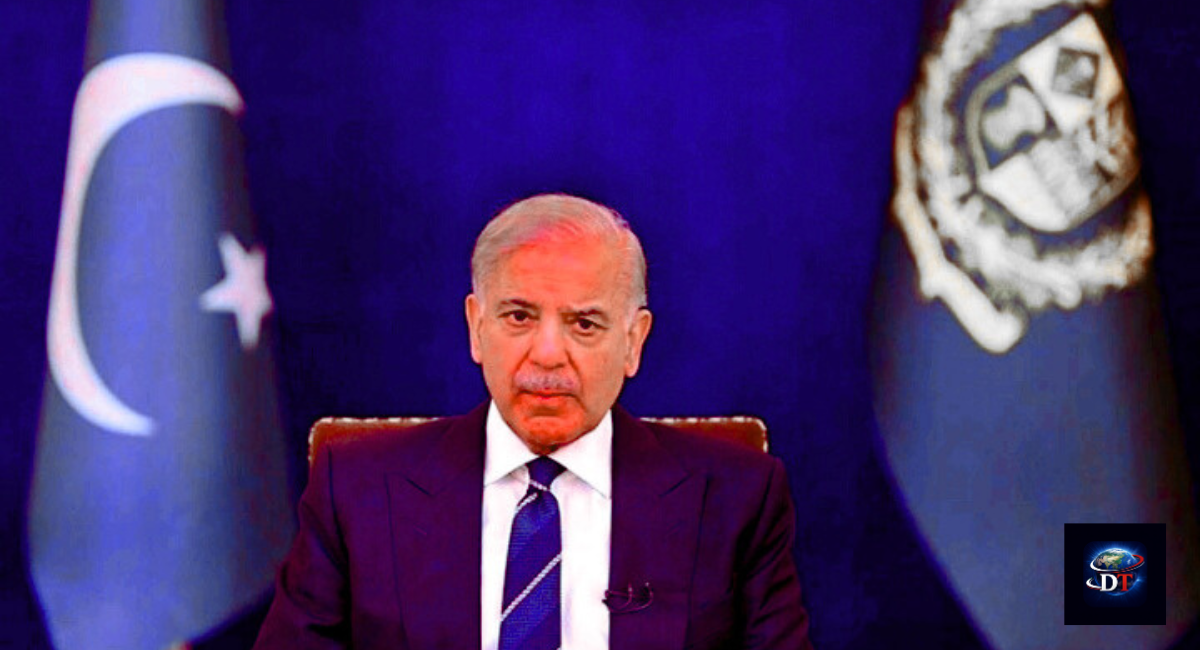
Pakistan Promotes Religious Tolerance as national leaders stress respect, peace, and protection for Muslim communities across the world. On the global day against Islamophobia, Pakistan renewed its call for unity and stronger legal action against hate crimes.
Table of Contents
Pakistan Promotes Religious Tolerance Worldwide
On the International Day to Combat Islamophobia, Pakistan’s leadership repeated its commitment to religious harmony and respect among communities.President Asif Ali Zardari and Prime Minister Shehbaz Sharif said peaceful coexistence among religions is necessary for global stability. They noted that every society must ensure safety and dignity for people of all faiths.Their messages reflected Pakistan’s wider effort to encourage dialogue, tolerance, and mutual understanding among nations.
Importance of the International Day to Combat Islamophobia
The International Day to Combat Islamophobia reminds the world that discrimination against Muslims still exists in many regions. Governments, organizations, and communities use this occasion to raise awareness and promote equal rights.Pakistan believes addressing religious hatred requires collective responsibility. Leaders said education, legal protection, and public awareness can help reduce prejudice and misunderstanding.
President Zardari Highlights Rising Islamophobia
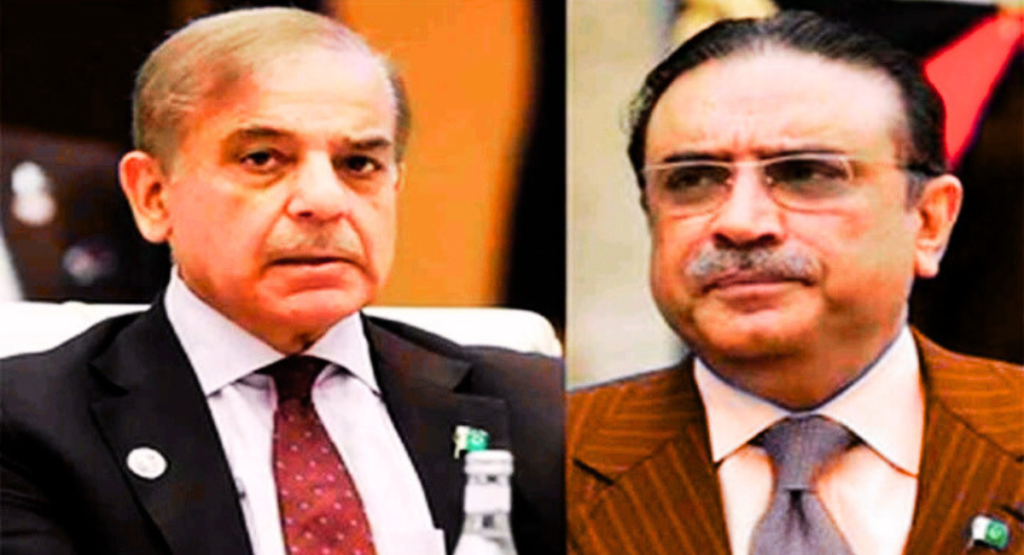
The International Day to Combat Islamophobia reminds the world that discrimination against Muslims still exists in many regions. Governments, organizations, and communities use this occasion to raise awareness and promote equal rights.Pakistan believes addressing religious hatred requires collective responsibility. Leaders said education, legal protection, and public awareness can help reduce prejudice and misunderstanding.
Prime Minister Shehbaz Sharif Calls for Unity
Prime Minister Shehbaz Sharif spoke about the dangers of growing social intolerance. He said such attitudes weaken essential values like religious freedom and mutual respect.He added that Pakistan consistently raises the issue of Islamophobia at international forums. Responsible dialogue and practical policy steps are necessary to address the challenge.According to him, protecting religious identity strengthens social harmony.
Pakistan’s Role at the United Nations
Pakistan played a significant role at the United Nations General Assembly in highlighting the global challenge of Islamophobia.Through diplomatic efforts, the assembly declared 15 March as the international day against Islamophobia. This decision brought worldwide attention to discrimination faced by Muslim communities.Pakistan views this step as an important milestone for promoting respect among religions.
Ishaq Dar Raises Concern Over Hate Incidents
Deputy Prime Minister and Foreign Minister Ishaq Dar expressed concern about rising hate incidents targeting Muslims.He pointed to disturbing examples reported in different countries, including attacks on mosques, harassment of women wearing hijab, and open expressions of anti Muslim hatred.Dar said such actions harm social harmony and violate basic human rights.
Protection of Religious Freedom
Pakistani leaders stressed that religious freedom is a fundamental human right. Every person must be able to practice faith without fear or discrimination.Strong legal safeguards and effective policies can prevent violence and discrimination. Governments must ensure that hate crimes are properly investigated and punished.Respect for religious diversity also supports democratic values and peaceful societies.
Need for Global Cooperation
Pakistan urged the international community to work together to counter Islamophobia. Leaders warned that silence or inaction allows discrimination to grow.Global cooperation can strengthen education, legal protection, and awareness campaigns. These efforts promote peaceful relations between communities and nations.Dialogue between cultures also helps create long term stability.
Addressing Structural Causes of Hate
Ishaq Dar explained that Islamophobia often grows because of misinformation and social tensions. Addressing these causes requires policy reform and awareness initiatives.Media, educational institutions, and community leaders can help reduce stereotypes. Accurate information and balanced discussion encourage understanding.Removing structural discrimination is essential for lasting progress.
Promoting Interfaith Harmony
Pakistan continues to support programs that encourage dialogue between different religious communities.Interfaith cooperation builds trust and helps people understand each other’s beliefs. Cultural exchange programs and educational initiatives also support peaceful coexistence.These efforts reduce fear and strengthen connections among societies.
conclusion
Pakistan Promotes Religious Tolerance by calling for unity, respect, and protection for Muslim communities worldwide. Leaders believe cooperation, awareness, and strong policies are essential to reduce Islamophobia and build a more peaceful global society.
Frequently Asked Questions
1. What is the International Day to Combat Islamophobia?
The International Day to Combat Islamophobia is observed on 15 March to raise awareness about discrimination and hatred faced by Muslim communities.
2. Why does Pakistan highlight religious tolerance?
Pakistan promotes religious tolerance to encourage peaceful coexistence and protect religious freedom for communities worldwide.
3. What did Prime Minister Shehbaz Sharif say about Islamophobia?
Prime Minister Shehbaz Sharif said social intolerance weakens fundamental values like religious freedom and mutual respect.
4. What role did Pakistan play at the United Nations?
Pakistan helped push the United Nations General Assembly to declare 15 March as the International Day to Combat Islamophobia.
5. Why is global cooperation important against Islamophobia?
International cooperation helps strengthen laws, increase awareness, and protect Muslim communities from discrimination and hate crimes.

I am the founder and writer at Duniya Time.com, a news website focused on national and international news, social issues, and history. With a background in Islamic History, I write research-based articles in a clear and honest style. My goal is to share accurate information, thoughtful analysis, and meaningful stories that help readers stay informed and understand the world better.