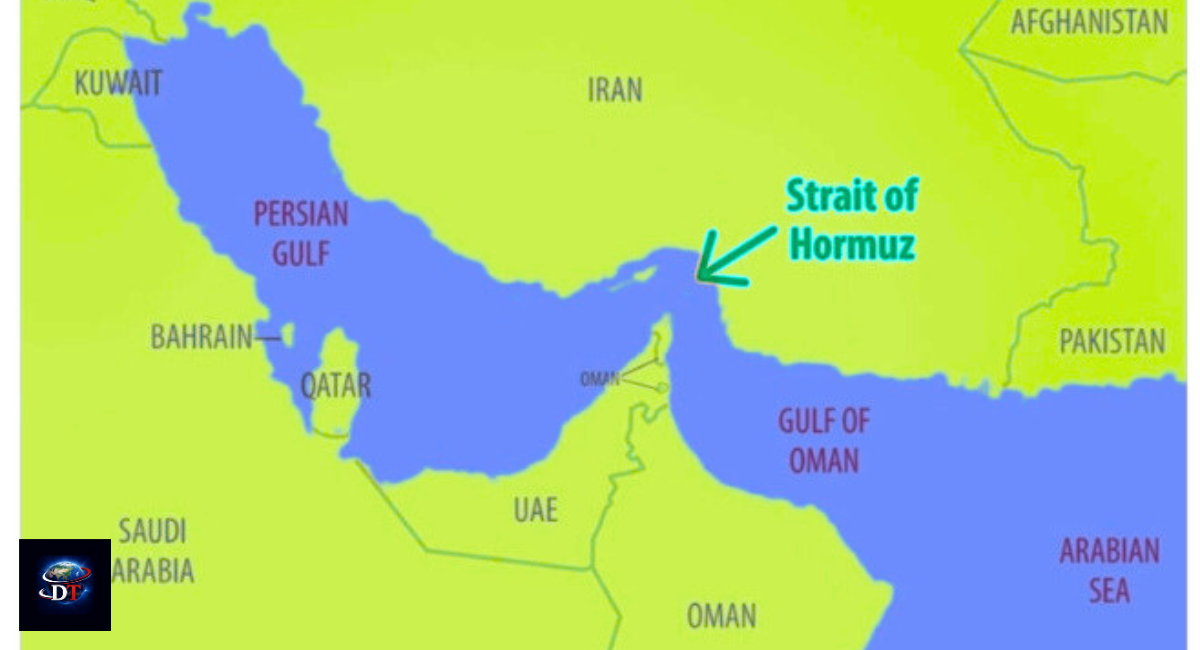
The Strait of Hormuz Crisis 2026 has quickly become one of the most serious global flashpoints. Rising tension between Iran and the United States is affecting oil flow, trade, and regional stability.
Table of Contents
Rising Tensions
The situation escalated when Iran refused to reopen the waterway unless the US lifts its naval blockade. This move increased pressure across global markets and raised fears of wider conflict. The Strait of Hormuz Crisis is no longer just regional, it is now a global concern.
Strategic Importance
The strait handles nearly 20 percent of the world’s oil supply. Any disruption here sends shockwaves through energy markets. The Strait of Hormuz Crisis highlights how one narrow route controls a large part of global trade and energy security.
US Iran Standoff

The United States continues its blockade, demanding a broader agreement before easing pressure. Iran, on the other hand, sees this as economic warfare. This deadlock is central to the Strait of Hormuz Crisis and is delaying diplomatic progress.
Naval Confrontation
Instead of direct war, both sides are using controlled military pressure. Iran is deploying small fast boats, while US forces maintain surveillance and presence. This strategy keeps the Strait of Hormuz Crisis active without full scale conflict.
Impact on Oil Market
Oil prices initially dropped due to uncertainty but remain volatile. Traders are reacting to every update from the region. The Strait of Hormuz Crisis has created an unpredictable market where prices can change within hours.
Global Trade Risk
Shipping companies are facing delays and higher insurance costs. Some vessels have already reversed routes due to security risks. The Strait of Hormuz Crisis is disrupting supply chains, especially for energy-dependent countries.
Role of Diplomacy
Talks between Iran and the US remain uncertain. Iran insists on a clear framework before negotiations, while the US maintains its demands. Diplomatic failure could deepen the Strait of Hormuz Crisis further.
Regional Conflict Spread
The situation is not limited to the strait. Tensions in Lebanon and Israeli military actions add another layer of complexity. This wider instability is making the Strait of Hormuz Crisis more dangerous and unpredictable.
Energy Security Concerns
Countries are now focusing on alternative energy routes and suppliers. This crisis has exposed the risks of depending on a single chokepoint. The Strait of Hormuz Crisis is pushing nations to rethink long-term energy strategies.
Future Outlook
Experts believe the coming days are critical. The ceasefire is close to expiring, and no clear agreement is in sight. If tensions rise further, the Strait of Hormuz Crisis could turn into a larger confrontation.
Conclusion
The Strait of Hormuz Crisis is shaping global politics and economics at the same time. Its outcome will impact oil, trade, and regional peace for years ahead. The world is watching closely.
Faqs:
What is the Strait of Hormuz Crisis 2026?
The Strait of Hormuz Crisis 2026 refers to rising tensions between Iran and the United States, leading to restricted shipping routes and threats to global oil supply.
Why is the Strait of Hormuz important?
It is one of the world’s most critical oil transit routes, carrying a large portion of global energy shipments, making it vital for international trade and economies.
What caused the Strait of Hormuz Crisis 2026?
The crisis began due to a US naval blockade on Iranian ports and Iran’s response by limiting access to the strait, increasing regional tensions.
How does the crisis affect global oil prices?
The situation creates uncertainty in supply, leading to price fluctuations and instability in global oil markets.
Are ships still passing through the Strait of Hormuz?
Some vessels are still moving, but many face delays, security risks, or are forced to change routes due to the tense situation.
What is the role of diplomacy in resolving the crisis?
Diplomatic talks between Iran and the US are key, but progress is slow due to disagreements on conditions and demands.
Could the crisis lead to a wider conflict?
Yes, if tensions escalate or ceasefire agreements fail, the situation could expand into a broader regional conflict.
How are countries responding to the crisis?
Many countries are exploring alternative energy routes and strengthening energy security to reduce dependence on the strait.
What impact does this crisis have on global trade?
It disrupts shipping routes, increases costs, and affects supply chains, especially for oil-dependent economies.
What is the future outlook of the Strait of Hormuz Crisis 2026?
The outcome depends on diplomatic progress, but the situation remains uncertain with risks of escalation still present.

I am the founder and writer at Duniya Time.com, a news website focused on national and international news, social issues, and history. With a background in Islamic History, I write research-based articles in a clear and honest style. My goal is to share accurate information, thoughtful analysis, and meaningful stories that help readers stay informed and understand the world better.