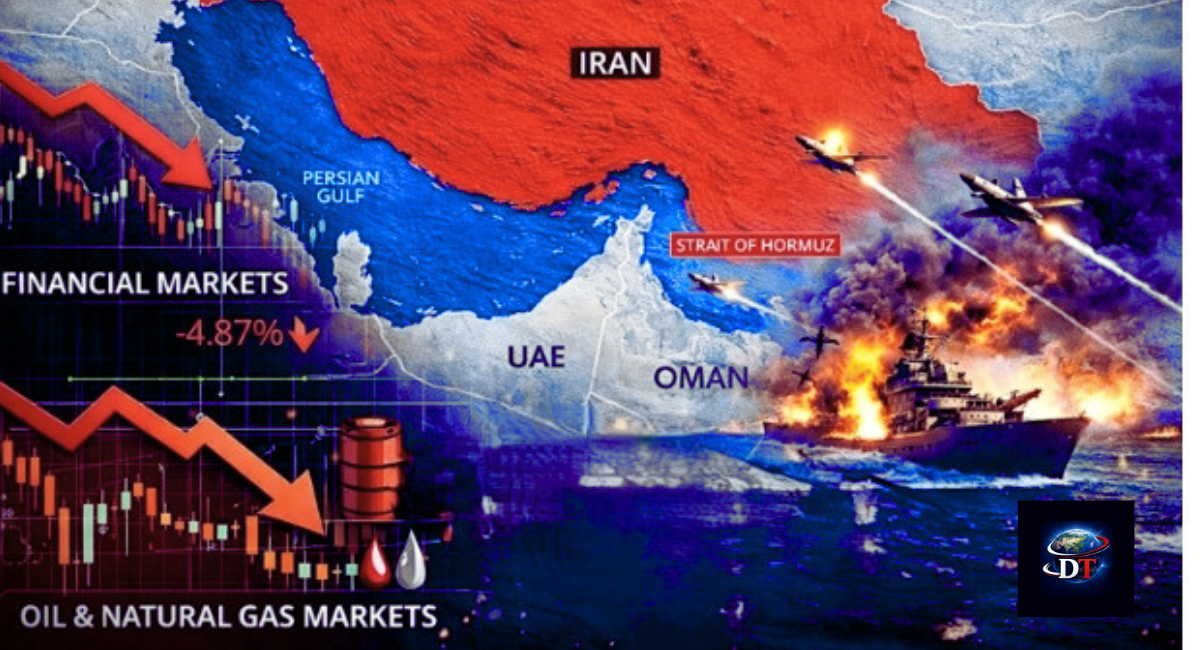
The US Iran Blockade Crisis has pushed global politics into a dangerous phase. This is not just a military move, but a serious warning for the world economy and peace.
The US Iran Blockade Crisis has created a tense situation where diplomacy and conflict are moving side by side.
Table of Contents
What is the US Iran Blockade Crisis?
The US Iran Blockade Crisis is a naval strategy in which the United States has decided to restrict Iran’s ports and oil routes. The main objective is to create pressure so that Iran changes its policies.
This step was taken after the Islamabad talks failed, with both sides holding firm to their positions.
Background of the Blockade
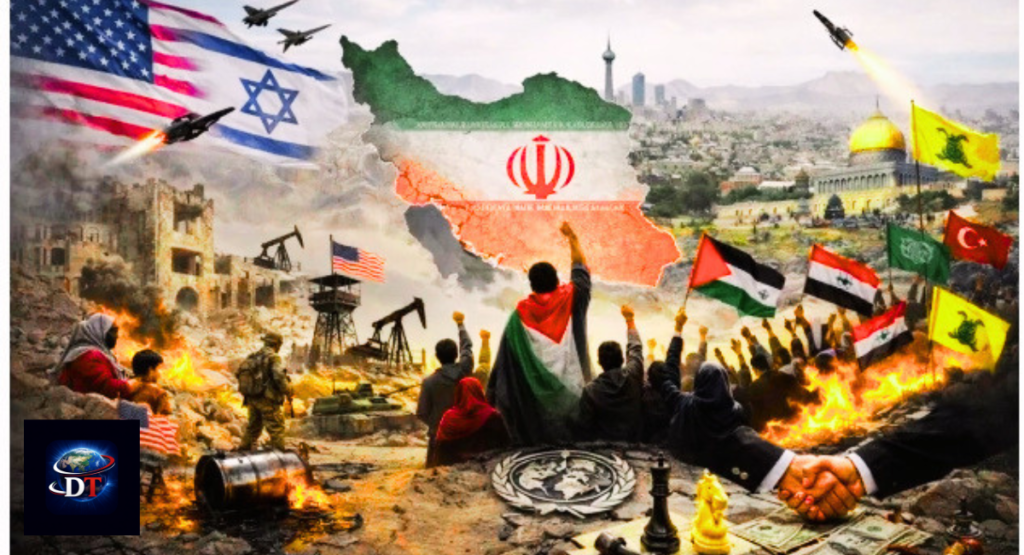
The roots of the US Iran Blockade Crisis lie in recent failed negotiations. Despite 21 hours of talks in Islamabad, no agreement was reached.
The main disputes were over Iran’s nuclear program and control of the Strait of Hormuz. These issues have caused tensions in the past as well.
Trump’s Warning and Strategy
During the US Iran Blockade Crisis, Donald Trump issued a clear warning that if Iranian ships approach the blockade zone, they will be destroyed.
He claims that Iran’s naval power has already been weakened and that the blockade will further isolate the country.
Iran’s Reaction
Iran has strongly reacted to the US Iran Blockade Crisis. Officials described the move as “economic revenge” and even called it “piracy.”
According to Iran, this step will not only harm them but also damage the global economy.
Importance of the Strait of Hormuz
The most critical point in the US Iran Blockade Crisis is the Strait of Hormuz. It is one of the world’s most important oil routes, through which a large portion of global oil supply passes.
Any disruption here can instantly impact oil prices worldwide.
Impact on the Global Economy
The US Iran Blockade Crisis is already affecting oil prices. Petrol prices have increased, and experts believe they may rise further.
Energy markets are becoming unstable, and international trade is also under pressure.
How Strong is the Ceasefire?
The US Iran Blockade Crisis has weakened the recently announced ceasefire.
Iran claims that the US has indirectly violated the agreement, while the US considers its actions justified. This confusion is making the situation more risky.
Risk of Military Escalation
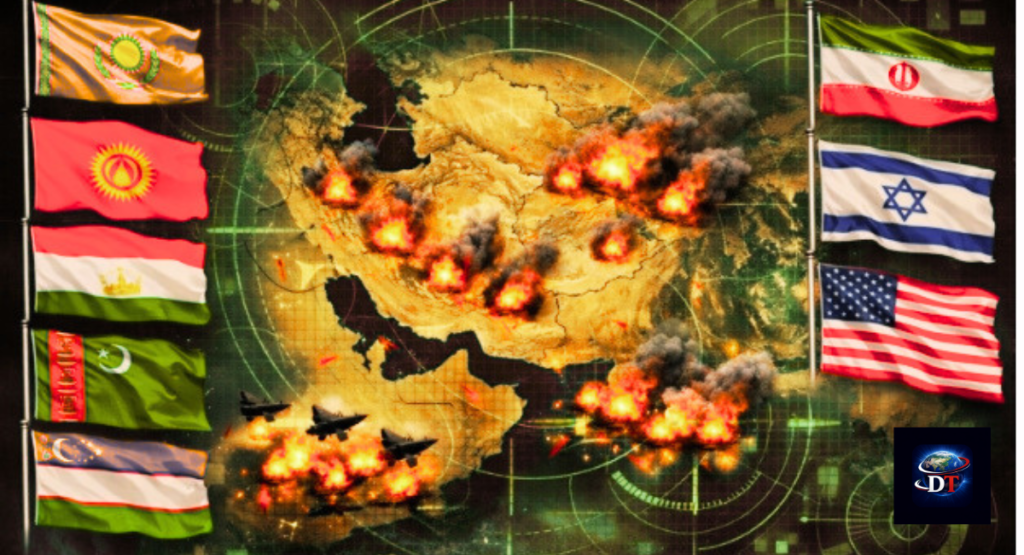
The US Iran Blockade Crisis could signal a future conflict. Iran’s Revolutionary Guard has warned that if war resumes, new weapons and strategies will be used.
This means the situation could escalate quickly.
Pakistan’s Role
Amid the US Iran Blockade Crisis, Pakistan has emerged as a mediator.
Pakistan has promised to continue peace efforts and is preparing the ground for future talks. This role is important for regional stability.
Future of Diplomacy
Despite the US Iran Blockade Crisis, the door to diplomacy is not fully closed. Trump has hinted that Iran may still be willing to make a deal.
If both sides show flexibility, the situation could come under control.
Conclusion
The US Iran Blockade Crisis has once again placed the world between conflict and peace. If diplomacy fails, the consequences will not be limited to the region but will affect the entire world.
FAQ:
What is the US Iran Blockade Crisis 2026?
The US Iran Blockade Crisis 2026 is a naval action in which the United States has restricted Iranian ports to create pressure on Iran to change its policies.
Why did the blockade start?
The blockade began after the Islamabad talks failed, where no agreement was reached on nuclear and regional issues.
How does it affect global oil prices?
This crisis has disrupted oil supply, causing prices to rise above $100 per barrel.
What is the role of the Strait of Hormuz?
The Strait of Hormuz is one of the most important oil routes in the world, with around 20 percent of global oil passing through it.
Can this crisis lead to war?
Yes, experts believe the risk of escalation is high, as both sides have issued military warnings.
Is diplomacy still possible?
Yes, both sides have indicated that the door for future negotiations is still open.

I am the founder and writer at Duniya Time.com, a news website focused on national and international news, social issues, and history. With a background in Islamic History, I write research-based articles in a clear and honest style. My goal is to share accurate information, thoughtful analysis, and meaningful stories that help readers stay informed and understand the world better.