
The Pakistan Loan Strategy to Replace the UAE’s $3.5bn Facility has become a central topic in economic discussions. The government is exploring new financial options to keep reserves stable and meet IMF targets.
Table of Contents
Pakistan explores multiple funding options amid economic pressure
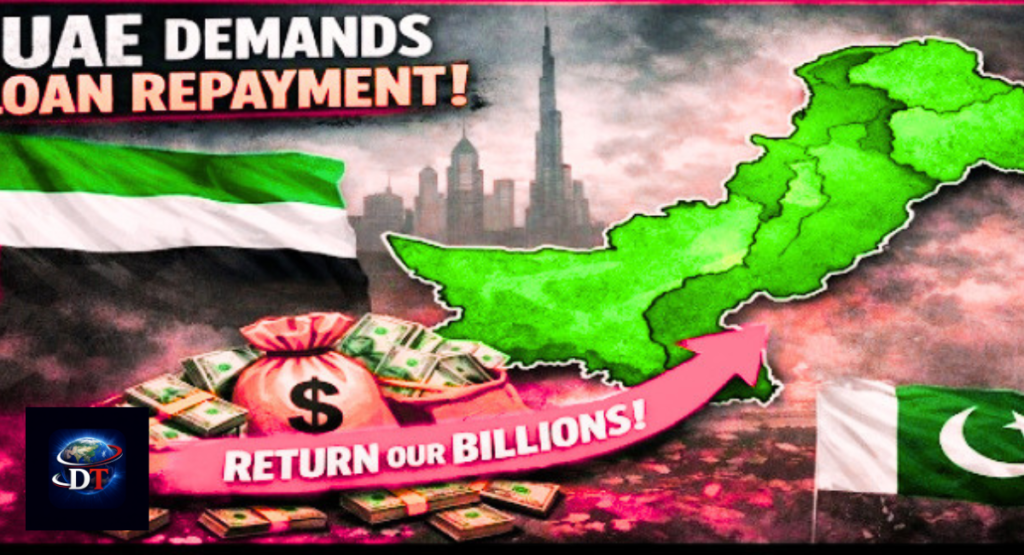
Pakistan is currently facing financial pressure as it needs to return a $3.5 billion loan to the UAE. Therefore, under the Pakistan Loan Strategy to Replace UAE $3.5bn Facility, the government has started considering multiple options.
Finance Minister Muhammad Aurangzeb confirmed that Eurobonds, commercial loans, and borrowing from friendly countries are all on the table. This approach is important for managing short-term liquidity.
Eurobonds and sukuk emerge as key financing tools

The government is also focusing on Eurobonds and Islamic sukuk. Both are effective ways to raise funds from international markets.
In the Pakistan Loan Strategy to Replace the UAE $3.5bn Facility, these instruments are included because they provide diversified funding and improve investor confidence.
IMF programme stability remains a major concern
Pakistan’s ongoing programme with the International Monetary Fund is also a key part of this strategy. The government has not yet requested any changes, but the option remains open depending on the situation.
One objective of the Pakistan Loan Strategy to Replace the UAE $3.5bn Facility is to ensure IMF targets are not breached, and macroeconomic stability is maintained.
Foreign reserves and import cover under close watch
Pakistan’s foreign reserves currently stand at around 2.8 months of import cover. This level is considered safe, but there is still a risk of pressure increasing.
That is why the Pakistan Loan Strategy to Replace the UAE $3.5bn Facility is being carefully designed to keep reserves stable and control currency volatility.
Role of global tensions in shaping economic policy
Conflicts in the Middle East, especially the Iran-Israel War, have impacted global oil prices. This has a direct effect on Pakistan’s economy.
The Pakistan Loan Strategy to Replace the UAE’s $3.5bn Facility also considers this geopolitical reality, where energy costs and supply disruptions have become major challenges.
Strategic petroleum reserves become a national priority
The government no longer wants to rely only on commercial oil storage. Plans are being made to establish strategic petroleum reserves.
Under the Pakistan Loan Strategy to Replace the UAE $3.5bn Facility, this step is seen as important for long-term energy security and handling future shocks.
Renewable energy shift gains urgency in policy planning
Due to the energy crisis, Pakistan is planning a faster shift towards renewable energy. There is a strong focus on accelerating solar and wind projects.
The Pakistan Loan Strategy to Replace the UAE $3.5bn Facility also includes this transition to reduce dependence on imported fuel and achieve long-term savings.
Panda bond launch signals diversification of funding sources
Pakistan is preparing to launch its first Panda bond, which will be issued in Chinese yuan. This step will strengthen access to Asian financial markets.
This part of the Pakistan Loan Strategy to Replace the UAE $3.5bn Facility reflects innovative financing where the country is trying to attract new investors.
Economic outlook remains stable despite global challenges
According to the government, GDP growth of around 4 percent is expected, and remittances are likely to remain strong. These factors are supporting the economy.
Through the Pakistan Loan Strategy to Replace the UAE $3.5bn Facility, authorities are confident they can manage short-term shocks and maintain stability.
Conclusion
The Pakistan Loan Strategy to Replace the UAE $3.5bn Facility is a balanced approach that combines loans, bonds, and energy reforms. If successful, it can help stabilize Pakistan’s economy and prepare it for future challenge.
FAQs:
What is Pakistan Loan Strategy to Replace UAE $3.5bn Facility?
Pakistan Loan Strategy to Replace UAE $3.5bn Facility is a financial plan in which the government is exploring new borrowing options to replace the UAE loan.
Why does Pakistan need to replace the UAE loan?
Pakistan needs to replace the UAE loan to keep its foreign reserves stable and meet IMF targets.
Which options are being considered in this strategy?
This strategy includes options such as Eurobonds, sukuk, commercial loans, and funding from friendly countries.
How will this strategy impact Pakistan’s economy?
This strategy will reduce short-term financial pressure and support long-term economic stability.
Is IMF involved in Pakistan Loan Strategy to Replace UAE $3.5bn Facility?
The IMF programme is continuing, and changes can be discussed if needed, but for now the strategy is also being managed independently.

I am the founder and writer at Duniya Time.com, a news website focused on national and international news, social issues, and history. With a background in Islamic History, I write research-based articles in a clear and honest style. My goal is to share accurate information, thoughtful analysis, and meaningful stories that help readers stay informed and understand the world better.