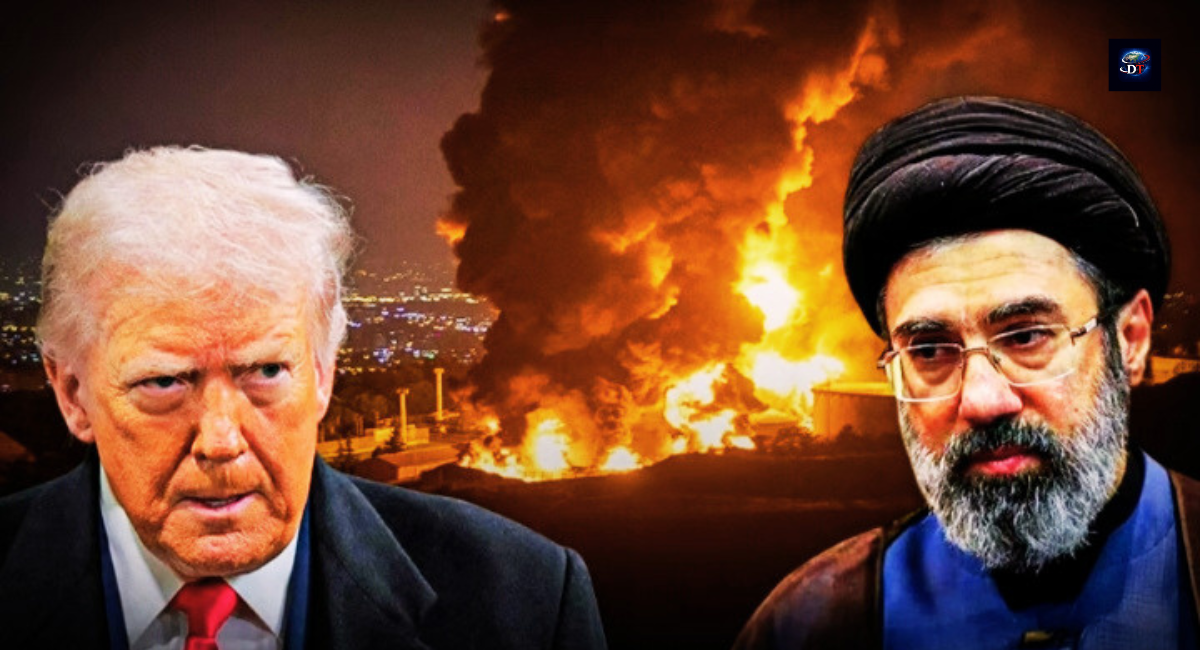
Trump Iran War Deal has once again shifted the direction of Middle East tensions. A sudden pause in military action has opened space for diplomacy, but uncertainty still dominates global discussions.
Table of Contents
Trump pauses planned attack
The United States surprised many observers when it paused a planned military strike on Iran. According to official statements, this decision was influenced by fresh diplomatic signals from Tehran. The Trump Iran War Deal narrative now centers on whether this pause reflects a genuine move toward peace or a temporary tactical decision. While military forces remain on alert, the pause suggests that Washington is willing to test diplomatic options before escalating further. This move has reduced immediate fears of a wider conflict, but the situation remains fragile and unpredictable for regional stability.
Iran offers new proposal
Iran has reportedly presented a new proposal aimed at ending hostilities. The proposal includes possible concessions related to its nuclear program and regional security commitments. This development has added a new layer to the Trump Iran War Deal discussions. However, there is still no confirmed agreement, and officials remain cautious. Analysts believe Iran is trying to ease economic pressure while maintaining strategic influence. The proposal reflects a calculated approach rather than a clear shift in policy. For now, it has created an opening for talks, but not a guaranteed breakthrough.
Gulf states push diplomacy
Regional powers like Saudi Arabia, the UAE, and Qatar have played an active role in encouraging dialogue. Their involvement highlights the broader regional concern over instability. The Trump Iran War Deal process has gained momentum partly because these countries want to avoid economic disruption and security risks. Gulf leaders reportedly urged Washington to delay military action to give negotiations a chance. Their influence shows how interconnected the region has become. Any escalation would affect trade, oil markets, and internal security, making diplomacy the preferred path for many stakeholders.
Ceasefire remains fragile
Although a ceasefire is technically in place, it is far from stable. Occasional drone incidents and military warnings continue to raise tensions. The Trump Iran War Deal efforts are taking place under this fragile calm, which could collapse at any moment. Reports suggest that both sides are preparing for possible escalation while talking about peace. This dual approach reflects deep mistrust. A single miscalculation could restart large scale conflict. For now, the ceasefire acts as a temporary shield, not a long term solution.
Nuclear issue still central
At the heart of the conflict lies the nuclear question. The United States insists that Iran must not develop nuclear weapons, while Iran denies such intentions. The Trump Iran War Deal negotiations are heavily focused on this issue. Some reports suggest Iran may consider limiting enrichment activities or transferring materials abroad. However, verification and enforcement remain major challenges. Without a clear agreement on nuclear controls, any deal will remain incomplete. This issue continues to be the biggest obstacle in reaching a lasting settlement.
Economic pressure on Iran
Iran is facing serious economic challenges due to sanctions and internal issues. Inflation is rising, and public dissatisfaction is growing. These factors are shaping Tehran’s approach to the Trump Iran War Deal talks. Economic pressure often pushes governments toward compromise, but it can also increase internal instability. Iranian leaders must balance external negotiations with domestic expectations. Any deal that appears weak could face criticism at home. This makes the negotiation process more complex and sensitive.
US political stakes rise
Domestic politics in the United States are also influencing decisions. Upcoming elections and public opinion play a significant role in shaping foreign policy. The Trump Iran War Deal situation is not just about international relations but also about political positioning. Rising fuel prices and economic concerns could impact voter sentiment. This adds pressure on leadership to find a solution that avoids prolonged conflict. At the same time, appearing too soft could create political backlash. The balance is difficult and highly strategic.
Risk of sudden escalation
Despite ongoing talks, the risk of escalation remains high. Military forces on both sides are prepared for rapid action. The Trump Iran War Deal discussions are happening alongside continued threats and warnings. This creates an environment where diplomacy and conflict exist side by side. Experts warn that even minor incidents could trigger a larger response. The presence of multiple actors in the region further complicates the situation. Stability depends on careful communication and restraint from all sides involved.
Role of global powers
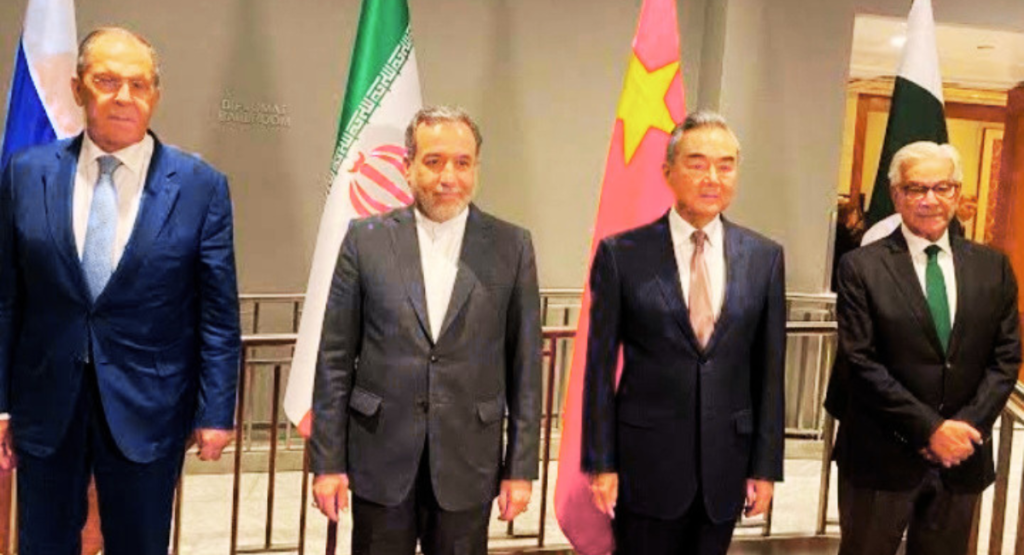
Major global players like China and Russia are also watching closely. Their involvement could influence the direction of negotiations. The Trump Iran War Deal has global implications, especially for energy markets and geopolitical balance. While some countries support diplomatic solutions, others have strategic interests that may shape outcomes. International cooperation could help stabilize the situation, but competing priorities often slow progress. The global dimension adds both opportunity and complexity to the conflict.
Future remains uncertain
The path forward is unclear, with both hope and risk present. The Trump Iran War Deal could either lead to a historic agreement or collapse into renewed conflict. Much depends on trust, compromise, and timing. Negotiations are ongoing, but expectations remain cautious. The coming weeks will be critical in determining whether diplomacy can succeed. Until then, the world continues to watch closely, aware that the outcome will affect not just the region but global stability as well.
Conclusion
Trump Iran War Deal developments show how close the world is to both conflict and compromise. The situation demands careful decisions, as even small moves can shape the future of regional peace.
FAQ
What is the Trump Iran War Deal about?
It refers to ongoing negotiations and tensions between the US and Iran, including paused military action and diplomatic proposals to avoid escalation.
Why did Trump pause the attack on Iran?
The attack was delayed to allow space for serious negotiations after new proposals were presented by Iran and regional mediators.
Is there a ceasefire between the US and Iran?
A temporary ceasefire exists, but it remains fragile with ongoing risks of renewed conflict.
What role do Gulf countries play in this conflict?
Countries like Saudi Arabia and UAE are pushing for peace talks to avoid regional instability and economic disruption.
How does this affect global markets?
Tensions in the Middle East, especially near the Strait of Hormuz, can impact oil supply and global economic stability.

I am the founder and writer at Duniya Time.com, a news website focused on national and international news, social issues, and history. With a background in Islamic History, I write research-based articles in a clear and honest style. My goal is to share accurate information, thoughtful analysis, and meaningful stories that help readers stay informed and understand the world better.