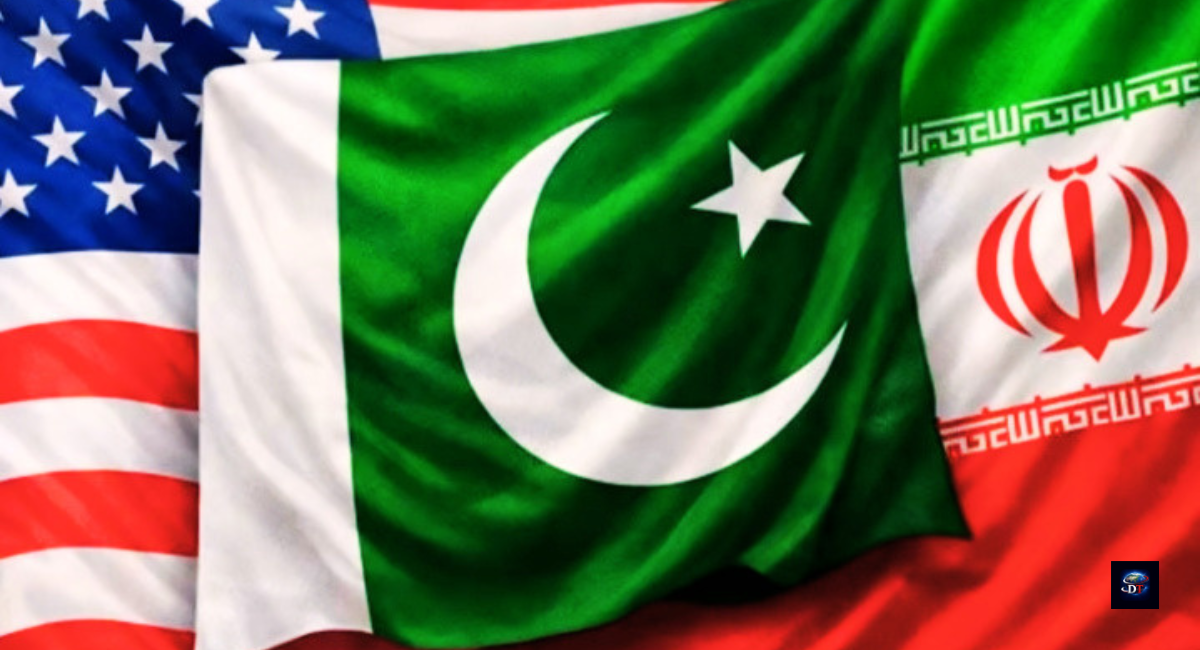
Pakistan US Iran mediator is now a key phrase in global politics, as Islamabad steps into a rare diplomatic role between two rivals. This shift signals a new image and growing international trust.
Table of Contents
Pakistan’s New Diplomatic Identity
Pakistan is no longer seen only through a regional lens. It is now being discussed as a serious diplomatic player. The recent developments have placed the country in a position where global powers are willing to listen. This transformation did not happen overnight. Years of strategic engagement, combined with changing global dynamics, created this opportunity. The leadership has used this moment to reshape the country’s narrative. Instead of crisis headlines, Pakistan is now linked with dialogue and peacebuilding. This change in identity is important for long term foreign relations and economic confidence.
Political and Military Coordination
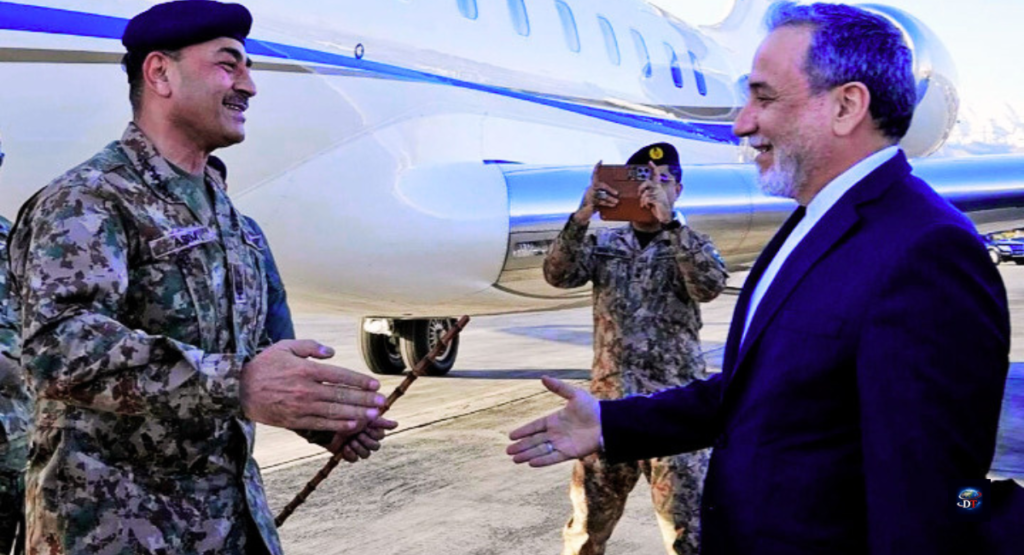
One of the strongest points highlighted by leadership is the coordination between political and military institutions. This unity has often been debated, but in this case it appears to be working in alignment. Decision making becomes faster and more consistent when both sides share a common goal. The government believes this partnership has improved Pakistan’s credibility abroad. It also sends a message of internal stability. Countries involved in sensitive negotiations prefer dealing with states that show coherence. This factor has quietly strengthened Pakistan’s role in mediation efforts.
Pakistan US Iran Mediator Role Explained
The Pakistan US Iran mediator role is not just symbolic. It involves real diplomatic engagement, trust building, and hosting direct talks. Islamabad facilitated a ceasefire and even arranged meetings between both sides. This shows practical involvement rather than just statements. Acting as a bridge between Washington and Tehran is not simple. Both countries have deep mistrust. Pakistan’s balanced relations with each side have helped create a communication channel. This position is rare and comes with both opportunity and risk. Managing it requires careful diplomacy and patience.
Ceasefire and Initial Talks Impact
The ceasefire agreement marked a turning point. It reduced immediate tensions and created space for dialogue. Soon after, direct talks were held in Islamabad. Even though no final agreement was reached, the fact that talks happened at all is significant. It shows that both sides were willing to engage under Pakistan’s facilitation. The process did not collapse, which is another positive sign. Diplomatic efforts often move slowly. The first step is always to bring opposing sides to the table, and Pakistan managed to do that successfully.
Challenges in Continuing Dialogue
Despite early success, the process has not been smooth. Arranging a second round of talks has proven difficult. Political pressure, shifting demands, and regional tensions continue to affect progress. Mediation is rarely a straight path. Each side has its own expectations and red lines. Pakistan must maintain neutrality while encouraging compromise. This balancing act is complex. Any misstep can damage trust. The delay in further talks shows that while the mediator role is promising, it is also fragile and requires constant effort.
Global Trust and Recognition
The Pakistan US Iran mediator position reflects growing international trust. Both Iran and the United States have shown willingness to engage through Islamabad. This is not a small achievement. Trust in diplomacy is built over time and can easily be lost. Pakistan’s ability to host talks indicates confidence in its intentions. Gulf countries have also supported these efforts. This wider acceptance strengthens Pakistan’s standing. It suggests that the country is being viewed as a responsible actor in global affairs rather than just a regional participant.
Leadership Statements and Vision
Prime Minister Shehbaz Sharif has described this moment as historic. His statements reflect optimism and national pride. He emphasized patience and wisdom as key tools in achieving peace. Leadership messaging plays an important role in shaping perception. By presenting Pakistan as a peace facilitator, the government is building a positive narrative. This also influences domestic confidence. When citizens see their country playing a constructive role globally, it strengthens national unity and belief in leadership direction.
Role of Key Government Figures
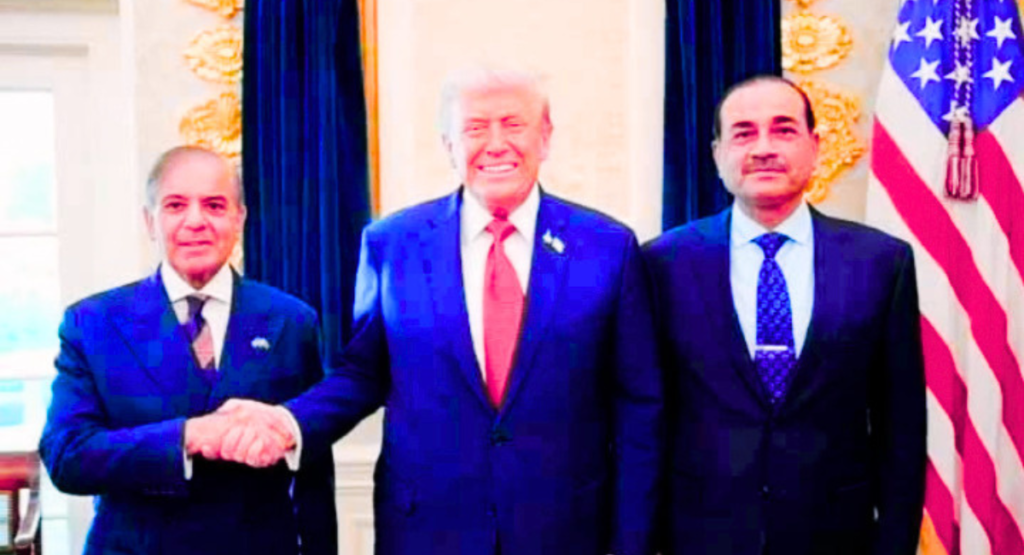
Several individuals have contributed to this diplomatic effort. The foreign minister has been actively engaging with international counterparts. At the same time, military leadership has supported the broader strategy. This collective effort is being highlighted as a team achievement. Diplomatic success often depends on coordination across multiple levels. Each role matters, from negotiations to backchannel communication. Recognizing these contributions helps build a clearer picture of how such initiatives succeed in practice.
Regional Security and Afghanistan Factor
While focusing on global mediation, Pakistan also faces regional challenges. Tensions with Afghanistan and concerns about terrorism continue to shape policy decisions. These issues cannot be ignored. A country dealing with internal and border security must manage multiple priorities. The leadership has stressed that peace efforts abroad do not mean ignoring threats at home. Instead, both are connected. Stability within the region strengthens Pakistan’s credibility as a mediator. It shows that the country is committed to peace on all fronts.
Future of Pakistan US Iran Mediator Role
The future of the Pakistan US Iran mediator role depends on sustained effort. One successful round of talks is not enough. The real test lies in achieving long term agreements. Pakistan must continue engaging both sides while adapting to changing conditions. Diplomatic patience will be crucial. If successful, this role can redefine Pakistan’s global image for years. It may also open doors for involvement in other international conflicts. However, failure could reverse recent gains. The stakes are high, and careful strategy will decide the outcome.
Conclusion
Pakistan US Iran mediator status reflects a major shift in global perception. If managed wisely, it can strengthen the country’s image, influence, and role in shaping peace beyond its borders.
FAQ
What is Pakistan’s role in US Iran conflict?
Pakistan is acting as a mediator by facilitating dialogue and helping reduce tensions between the United States and Iran through diplomatic channels.
Why is Pakistan trusted as a mediator?
Pakistan maintains balanced relations with both the US and Iran, which allows it to create a neutral platform for negotiations.
When did Pakistan start mediating between US and Iran?
Pakistan became actively involved after the recent conflict escalation and helped arrange a ceasefire followed by initial talks.
Did Pakistan successfully stop the conflict?
Pakistan helped achieve a temporary ceasefire and organized talks, but a final peace agreement has not yet been reached.
What challenges does Pakistan face as a mediator?
Pakistan faces pressure from both sides, regional instability, and the difficulty of maintaining neutrality while pushing for peace.
How does this role affect Pakistan’s global image?
This role improves Pakistan’s reputation as a responsible and trusted player in international diplomacy.

I am the founder and writer at Duniya Time.com, a news website focused on national and international news, social issues, and history. With a background in Islamic History, I write research-based articles in a clear and honest style. My goal is to share accurate information, thoughtful analysis, and meaningful stories that help readers stay informed and understand the world better.