
Pakistan Fuel Subsidy has officially ended after the government decided that falling international oil prices no longer justified financial support. The decision follows a major reduction in petroleum prices and marks an important shift in Pakistan’s fuel pricing policy, affecting consumers, transport operators, and farmers across the country.
Table of Contents
Why Pakistan Fuel Subsidy Was Officially Discontinued
The federal government approved the decision after reviewing global petroleum market trends and recent reductions in fuel prices. Officials concluded that consumers were already receiving relief through lower petrol and diesel rates, making the subsidy unnecessary.
The decision was endorsed after a meeting of the National Steering Committee, chaired by Deputy Prime Minister Ishaq Dar. The committee reviewed the implementation of the relief package before recommending its closure with the approval of Prime Minister Shehbaz Sharif.
How Falling Global Oil Prices Changed Government Policy
International crude oil prices have declined significantly in recent weeks after market conditions improved. This allowed Pakistan to reduce domestic petroleum prices without maintaining additional financial support for fuel users.
Lower import costs eased pressure on the national budget while providing direct benefits to consumers. The government believes market driven price reductions are now offering enough relief to households and businesses.
What the Fuel Subsidy Scheme Offered to Citizens
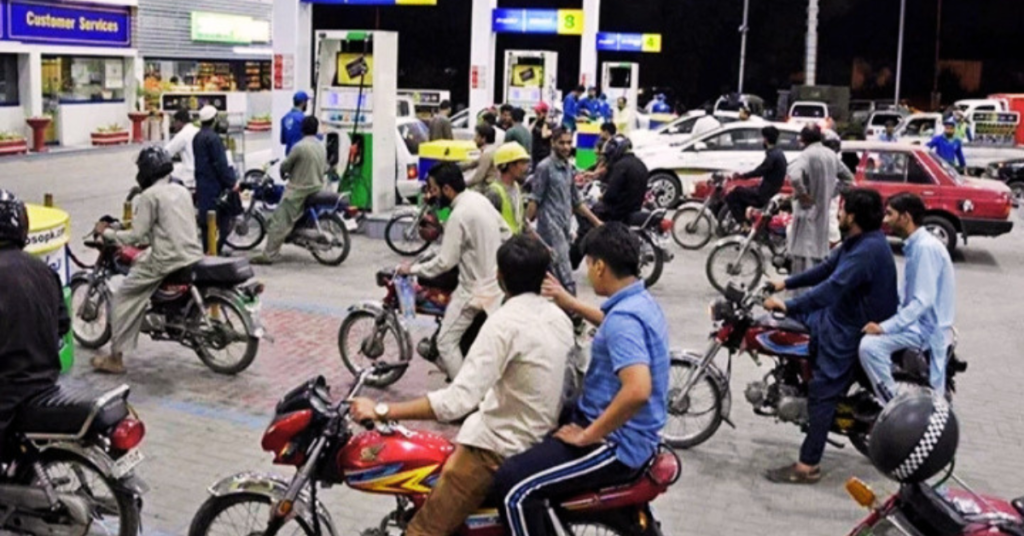
The previous relief package targeted motorcyclists, public transport operators, freight vehicles, and small farmers. These groups received financial assistance to reduce the burden created by rising fuel prices.
The package also included monthly support for transport businesses and per acre assistance for farmers. The initiative was introduced when international oil prices surged during regional tensions in the Middle East.
Pakistan Fuel Subsidy and the Impact on Transport Sector
The end of the Pakistan Fuel Subsidy means transport operators will now depend mainly on market fuel prices instead of direct government assistance. Businesses may continue monitoring petroleum rates before adjusting transport charges.
Public transport companies and freight operators are expected to benefit if global oil prices remain stable. However, any future increase in international crude prices could raise operating costs once again.
Why Petrol Prices Fell Despite Earlier Market Volatility
Pakistan witnessed record fuel prices earlier this year after tensions linked to the US-Iran conflict pushed international crude oil prices sharply higher. Petrol prices climbed to historic levels, increasing transportation costs and putting pressure on household budgets across the country.
As global oil markets stabilized, the cost of imported petroleum declined. The government passed this relief directly to consumers through lower petrol and diesel prices. This reduction became one of the main reasons for ending the Pakistan Fuel Subsidy programme.
What the National Steering Committee Reviewed
The seventh meeting of the National Steering Committee focused on evaluating how the fuel subsidy programme had been implemented across Pakistan, including Gilgit-Baltistan and Azad Jammu and Kashmir. Officials reviewed progress, data collection, and coordination among provincial governments.
The committee appreciated the efforts made to deliver financial assistance to eligible groups. It also recommended improving digital records and service delivery so future relief programmes can be introduced more efficiently whenever economic conditions require government support.
How the Decision Could Affect Motorcyclists and Farmers
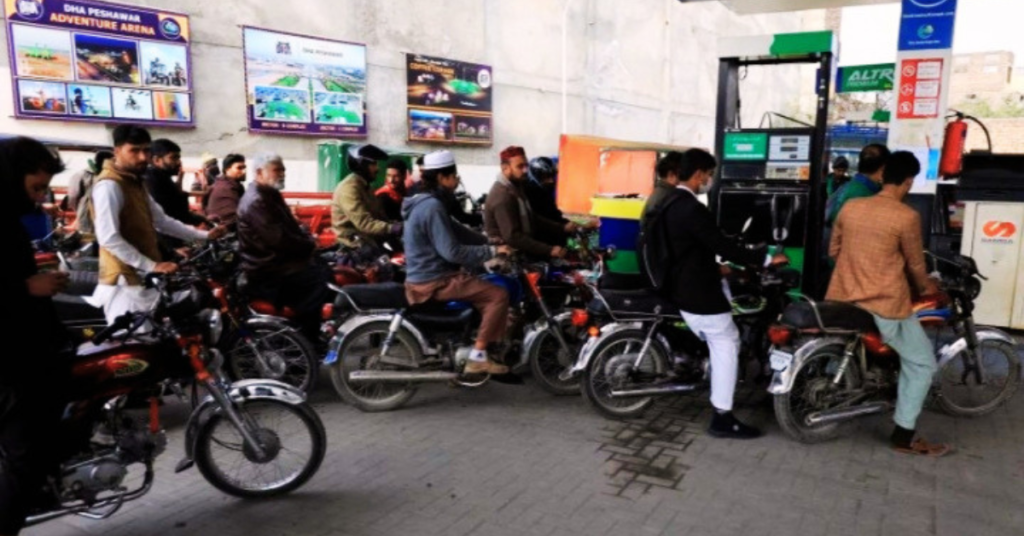
Motorcyclists and small farmers were among the biggest beneficiaries of the temporary relief package. With the subsidy ending, they will no longer receive direct financial assistance and will instead rely on future fuel price movements.
Even after the Pakistan Fuel Subsidy ends, lower petroleum prices may continue to provide indirect relief if international oil markets remain stable. Farmers and daily commuters will closely watch government announcements regarding future fuel pricing policies.
What This Means for Pakistan’s Economy and Consumers
Ending the subsidy reduces government spending and helps control fiscal pressure at a time when Pakistan is working to strengthen its economy. Savings from the programme can be redirected toward development projects, public services, or other national priorities.
For consumers, the biggest concern remains future petroleum prices. If global crude oil prices stay low, households and businesses could continue benefiting from affordable fuel without the need for another nationwide subsidy programme.
Could the Government Reintroduce Fuel Subsidies in the Future?
The government has not ruled out the possibility of introducing another relief package if international oil prices rise sharply again. Any future decision will depend on global energy markets, economic conditions, and the country’s financial position.
Experts believe temporary subsidies remain an option during periods of exceptional market volatility. However, policymakers are expected to balance public relief with fiscal responsibility before approving another nationwide support programme.
What Consumers Should Expect After Pakistan Fuel Subsidy Ends
With the Pakistan Fuel Subsidy now discontinued, consumers should expect fuel prices to be influenced mainly by international crude oil rates, exchange rate movements, and government tax policies. Regular price reviews will continue under the existing petroleum pricing mechanism.
Although direct financial assistance has ended, stable global oil prices could keep petrol and diesel relatively affordable in the coming months. Consumers, transport operators, and farmers should continue following official fuel price announcements to better plan their household and business expenses.
Conclusion
The Pakistan Fuel Subsidy programme played an important role during a period of exceptionally high fuel prices. With international oil prices declining, the government has chosen to end the scheme and rely on market-based price reductions. Future decisions will depend on global energy trends, economic stability, and the need to protect consumers from unexpected fuel price shocks.
FAQs
What is Pakistan Fuel Subsidy?
Pakistan Fuel Subsidy was a temporary government relief programme that reduced fuel costs for motorcyclists, transport operators, and small farmers during high petroleum prices.
Why did the government end Pakistan Fuel Subsidy?
The government ended the subsidy after international oil prices declined and lower petrol prices were passed on to consumers.
Who benefited from the fuel subsidy programme?
Motorcyclists, public transport operators, freight vehicles, goods transport businesses, and small farmers received financial support.
Will Pakistan Fuel Subsidy return in the future?
The government may introduce another subsidy if global oil prices rise sharply and consumers require financial relief.
How will the decision affect fuel prices?
Fuel prices will now depend mainly on international crude oil prices, exchange rates, and government taxation policies.

I am the founder and writer at Duniya Time.com, a news website focused on national and international news, social issues, and history. With a background in Islamic History, I write research-based articles in a clear and honest style. My goal is to share accurate information, thoughtful analysis, and meaningful stories that help readers stay informed and understand the world better.