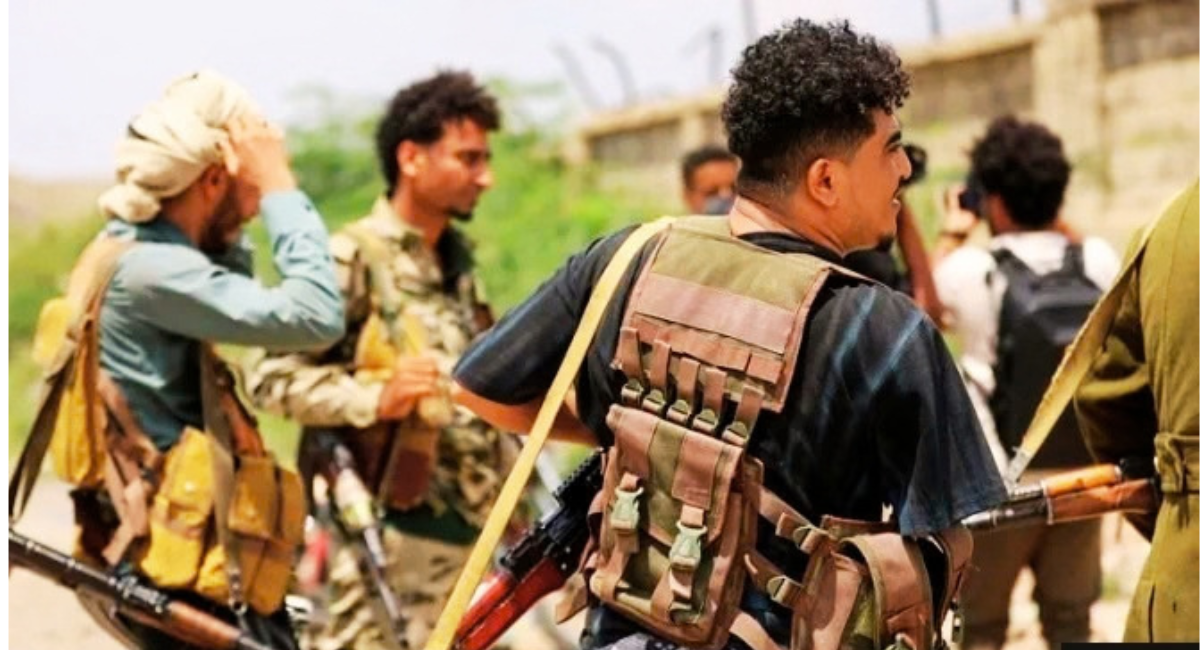
On Monday, October 5, Saudi-backed Yemeni government forces launched “Operation Dawn of Yemen” against the Yemeni Houthis. Yemeni forces claimed to have taken control of Dhubab District, Bab el-Mandeb, Dhubab Airport, and the port city of Mocha. Around 100 Saudi fighter jets supported the operation. The developments have raised concerns that oil prices could increase and that insurance costs for ships could become more expensive.
Table of Contents
Purpose of Operation Dawn of Yemen
The head of Yemen’s Presidential Leadership Council, Rashad Mohammed Al-Alimi, announced the launch of “Operation Dawn of Yemen.”
The purpose of the operation is to retake areas under Houthi control, restore government authority, revive state institutions, and establish the authority of the official government across the country.
Yemeni Forces Capture Dhubab Airport
Saudi-backed Yemeni government forces carried out a major operation and claimed to have taken control of Dhubab Airport.
They also cut the route connecting Dhubab Airport with Bab el-Mandeb.
Earlier, Yemeni forces claimed that, along with taking control of Dhubab Airport, located around 45 kilometers away, they had also surrounded Houthi fighters in a nearby town.
Yemeni forces claimed control of Dhubab Airport, Bab el-Mandeb, Dhubab District, and the port city of Mocha.
Houthis Strengthen Their Position in Taiz and Al-Turbah
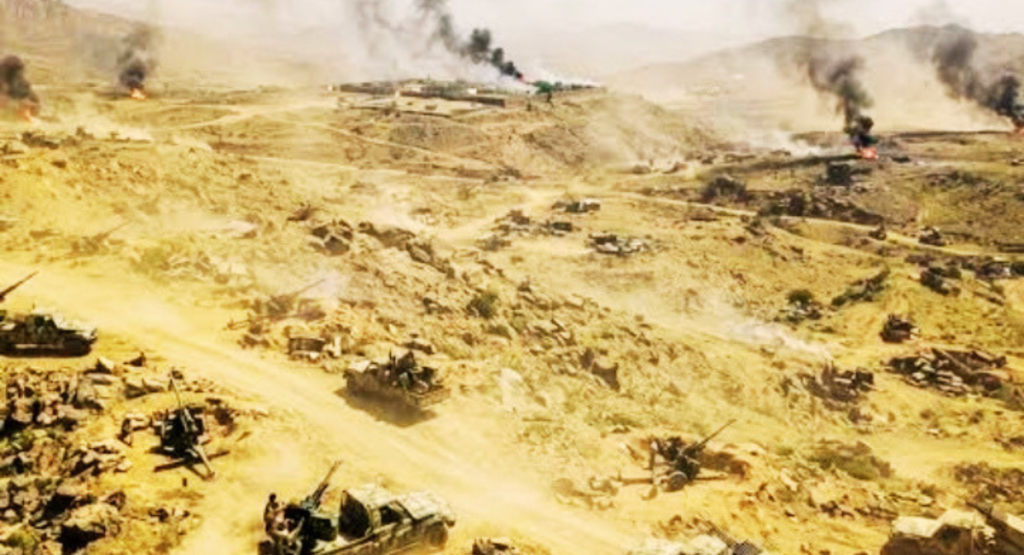
The Houthis responded to the Yemeni government forces by intensifying their ground operations in the Taiz area.
The Houthis managed to strengthen their positions in Taiz and Al-Turbah. By putting pressure on Taiz, they are trying to push government forces back.
However, Yemeni forces claimed that they shot down five Houthi drones.
Houthi Air Attacks on Saudi Arabia
Yemeni government forces and Saudi Arabia are allies. As a result, the Houthis claimed that they targeted several locations in Saudi Arabia, including King Khalid International Airport in Riyadh, the Aramco refinery in Rabigh, Abha Airport, Khamis Mushait military base, Akfa Camp in southern Saudi Arabia, and sensitive sites in Najran and Jizan.
The Houthis claimed to have used large numbers of ballistic missiles, cruise missiles, and drones in these attacks. These claims could not be independently verified.
Houthi Retaliation Against Saudi Arabia
The Houthi military said that it was retaliating for Saudi Arabia’s blockade of ports and airports in Houthi-controlled areas, as well as Saudi attacks on the capital, Sanaa.
The Houthis blamed the Saudi-led coalition and said that Saudi Arabia would face consequences for its military actions in Yemen.
Around 100 Saudi fighter jets took part in the “Dawn of Yemen” operation, according to reports from the Saudi-led coalition.
Mecca Defence Agreement and Houthi Attacks
Under the Mecca Joint Defence Agreement, Pakistan, Saudi Arabia, and Türkiye agreed to rapidly deploy military forces and capabilities to Saudi Arabia following the Houthi attacks.
Pakistan’s Deputy Prime Minister and Foreign Minister Ishaq Dar participated in the emergency meeting in Riyadh along with senior Saudi and Turkish officials.
The three countries agreed to activate collective defence measures and ensure the rapid deployment of agreed military forces and capabilities to Saudi Arabia.
Houthi spokesman Mohammed Abdulsalam said that Saudi Arabia was responsible for “dozens of massacres” and would have to face the consequences.
Global Impact of Control Over the Red Sea
1. Oil Prices Could Increase
If tensions increase in the Red Sea and Bab el-Mandeb, global oil prices could rise because investors may fear disruptions to energy supplies.
2. Global Shipping Could Become More Expensive
If ships have to avoid dangerous routes and use alternative routes, travel times and fuel costs will increase. This could make global shipping more expensive.
3. Deliveries to Europe Could Take Longer
Many ships traveling from Asia to Europe use the Red Sea and Suez Canal route. If the situation worsens, ships may have to take the longer route around Africa.
4. Imported Goods Could Become More Expensive
Higher shipping costs could eventually affect consumers. Prices of clothing, electronics, machinery, food, and other imported goods could increase.
5. Pressure on the Suez Canal Could Increase
If ships avoid passing through the Red Sea, traffic through alternative routes could increase, while trade and revenue connected to the Suez Canal could also be affected.
6. Countries Like Pakistan Could Be Affected
Pakistan imports large quantities of oil and various goods. If global shipping and oil prices increase, the country’s import costs could rise, potentially affecting petrol, electricity, and other goods.
7. Inflation Could Increase
When oil and transportation costs rise, it is not only petrol prices that are affected. The cost of transporting goods also increases, which can push up the prices of many everyday products.
8. Global Supply Chains Could Be Disrupted
If the maritime route remains uncertain for a long period, companies could face delays in delivering goods. This could lead to shortages of some products in certain markets.
9. Ship Insurance Costs Could Rise
When the risk of attacks or conflict increases in a particular area, insurance costs for ships traveling through that area can also rise. This additional cost becomes part of the overall cost of doing business.
10. Uncertainty in Global Energy Markets Could Increase
The Red Sea is an important route for energy transportation. Any major disruption could make oil and gas buyers more cautious about future prices.
11. Pressure on Alternative Shipping Routes Could Increase
If a large number of ships change their routes, traffic on other maritime routes could increase. This could lead to longer travel times and higher overall costs.
12. Political Pressure on Global Trade Could Increase
The situation in the Red Sea is not limited to Yemen or the Middle East. Because the region is an important trade route between Asia, the Middle East, and Europe, increased tensions could have global consequences.
Conclusion
After Operation Dawn of Yemen, Yemeni forces claimed to have retaken several important areas from the Houthis, while the Houthis intensified their counterattacks. As a result, the fighting in Yemen has become more intense.

I am the founder and writer at Duniya Time.com, a news website focused on national and international news, social issues, and history. With a background in Islamic History, I write research-based articles in a clear and honest style. My goal is to share accurate information, thoughtful analysis, and meaningful stories that help readers stay informed and understand the world better.