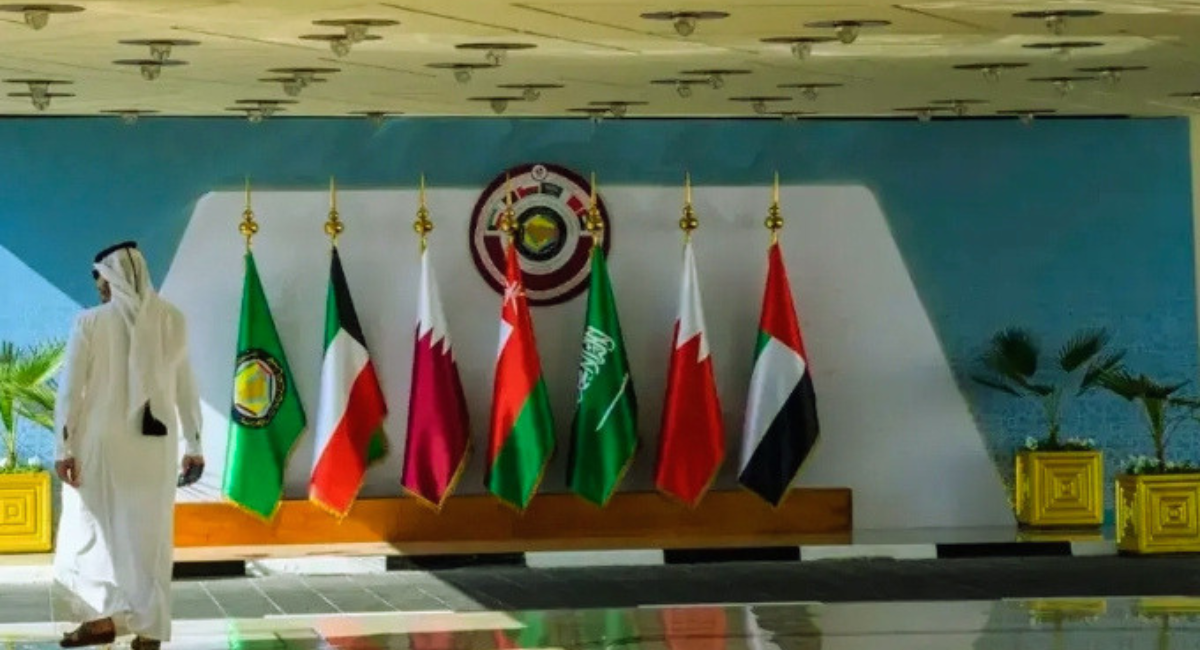
Tensions between Saudi Arabia and the Yemeni Houthis have delayed talks between Gulf countries and Iran in Salalah, Oman, scheduled for Monday, September 14, 2026. The meeting was expected to address ship safety, temporary shipping routes, and the normalization of global oil supplies.
Table of Contents
Houthi-Saudi Tensions Begin
The Houthi movement has been active in Yemen for several years. Founded in 1990 by Hussein Badreddine al-Houthi, the movement seeks political and military influence in Yemen. In 2014, the Houthis captured Yemen’s capital, Sana’a, along with large parts of the country. The group has received support from Iran.
In 2015, Saudi Arabia launched military action against the Houthis, increasing tensions between the two sides. Since then, the Houthis have targeted Saudi Arabia with missiles and drone attacks.
Attack on Saudi Khamis Mushait Air Base
The Yemeni Houthis claimed that Saudi Arabia had recently carried out airstrikes in Yemen. In response, they said they targeted the military air base in Khamis Mushait with drones and missiles. The Houthis also claimed that aircraft hangars, radar systems, and ammunition storage facilities were damaged.
What Was the Purpose of the Strait of Hormuz Talks?
The main goal of the talks was to make the passage of commercial ships through the Strait of Hormuz safe and possible again. Due to rising tensions, many ships have been avoiding the route, affecting the global supply of oil and other goods.
Temporary Route for Commercial Ships
Iran and Oman wanted to discuss a temporary arrangement allowing oil tankers and other commercial vessels to pass safely through the Strait of Hormuz. The aim was not to stop maritime trade completely, but to continue shipping under limited and agreed conditions.
Ship Security
The negotiations were also expected to address how ships could be protected from possible attacks and military operations. The safety of oil tankers and large commercial vessels was a major concern.
Ship Traffic
The parties needed to determine which ships would be allowed to pass, which routes they would use, and what security arrangements would ensure safe passage.
Global Oil Supply
The Strait of Hormuz is a vital sea route for global oil shipments. If traffic through the strait remains disrupted, oil supplies could decline, increasing the risk of higher prices in international markets.
Agreement Between Iran and Gulf Countries
A key objective of the negotiations was to reach an agreement between Iran and the Gulf countries on a temporary arrangement that would allow maritime trade to continue. Some Gulf states, including Saudi Arabia, remained concerned about the long-term security and reliability of such an agreement.
Impact on Global Trade
The Strait of Hormuz is important not only to Iran and the Gulf countries but also to global trade. A prolonged blockage could affect oil and energy supplies to Asia, Europe, and other regions.
Conclusion
A temporary agreement could have reduced risks to commercial shipping and helped normalize global oil shipments. However, rising tensions in Yemen and the continuing Saudi conflict with the Houthis have further compliclkul,with the Houthis have further complicated diplomatic efforts.
FAQS
1. Why were the Strait of Hormuz talks with Iran delayed?
The talks were delayed amid rising tensions between Saudi Arabia and the Yemeni Houthis, which complicated diplomatic efforts between Iran and Gulf countries.
2. What was the main purpose of the Strait of Hormuz talks?
The main purpose was to discuss safe passage for commercial ships, temporary shipping arrangements, and measures to protect oil tankers and global trade.
3. Why is the Strait of Hormuz important for global oil supplies?
The Strait of Hormuz is a major route for international oil shipments. Disruptions in the strait can affect oil supplies and increase the risk of higher global energy prices.
4. Why are the Houthis in conflict with Saudi Arabia?
The conflict is linked to Yemen’s civil war and Saudi Arabia’s military intervention against the Houthis in 2015. The Houthis have since carried out missile and drone attacks against Saudi targets.
5. How could Yemen tensions affect Strait of Hormuz shipping?
Continued regional tensions can increase security risks for commercial vessels, discourage shipping companies from using affected routes, and create concerns about global oil supplies and trade.

I am the founder and writer at Duniya Time.com, a news website focused on national and international news, social issues, and history. With a background in Islamic History, I write research-based articles in a clear and honest style. My goal is to share accurate information, thoughtful analysis, and meaningful stories that help readers stay informed and understand the world better.