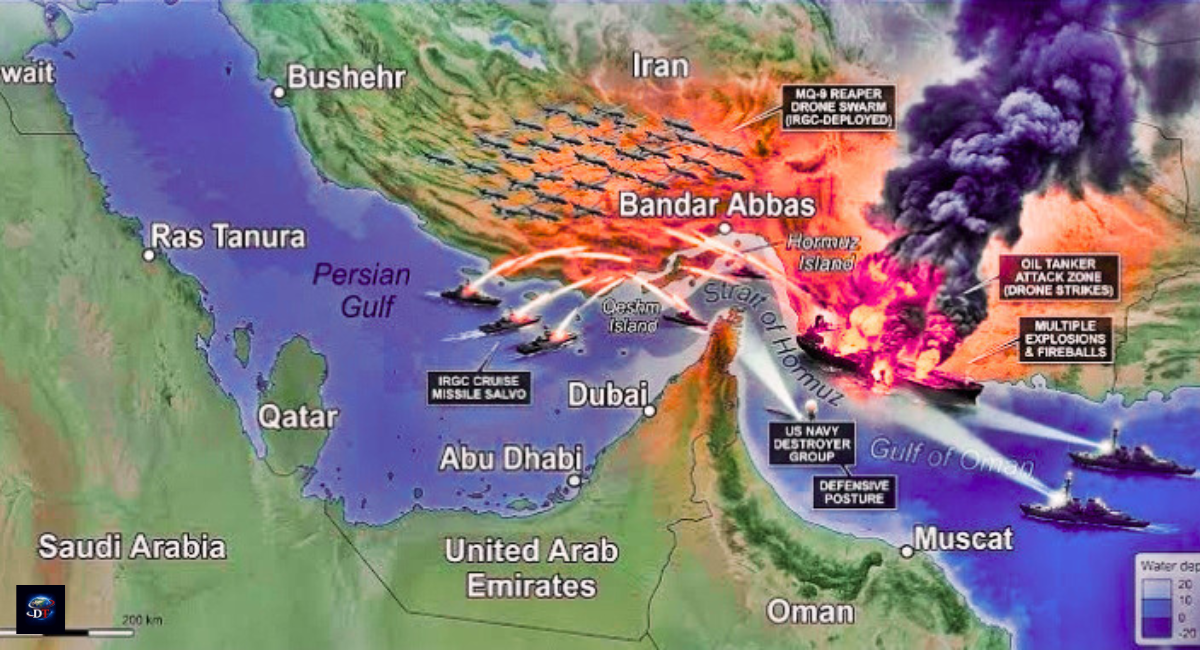
The Hormuz Crisis has entered a sensitive phase as military pressure meets diplomacy. The US paused operations while talks with Iran continue. This shift has raised hopes, but risks remain high as both sides hold firm positions.
Table of Contents
US Pauses Military Operation
The United States decided to pause its naval escort mission known as Project Freedom. This step came after signs of progress in negotiations with Iran. However, the naval blockade remains active, showing that pressure tactics are still in place.
Iran Stands Firm Position
Iran has clearly rejected any idea of surrender or forced compromise. Its leadership insists that national sovereignty cannot be negotiated under pressure. This firm stance keeps the Hormuz Crisis tense despite ongoing diplomatic efforts.
Strait Importance for Trade
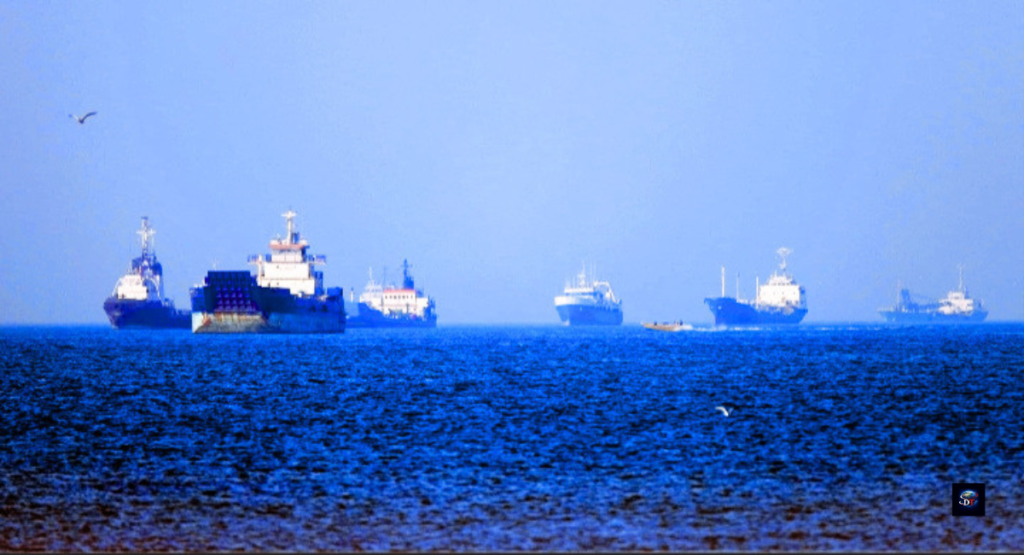
The Strait of Hormuz handles a major share of global oil transport. Any threat to this route affects fuel prices worldwide. The current Hormuz Crisis has already caused concern among shipping companies and governments.
Global Powers Step In
Several Gulf countries and global powers are now involved in resolving the issue. A draft resolution at the United Nations aims to secure safe passage. This shows how the Hormuz Crisis has become an international concern.
Rising Regional Tensions
Beyond the strait, tensions are increasing in nearby regions. Conflicts involving Lebanon and Israel add pressure to an already unstable situation. These overlapping crises make the Hormuz Crisis harder to control.
Economic Impact Worldwide
Oil markets react quickly to instability in the Gulf. Even minor disruptions can raise prices and affect economies. The ongoing Hormuz Crisis has already created uncertainty for global investors and trade systems.
Pakistan’s Mediation Role
Pakistan is playing a quiet but important role in talks between the US and Iran. Acting as a mediator, it is helping both sides communicate. This diplomatic effort could influence how the Hormuz Crisis unfolds.
Humanitarian Concerns Rise
Thousands of sailors remain stranded due to the blockade and tensions. Safety concerns are growing for civilians and workers in the region. The Hormuz Crisis is not only political but also a humanitarian issue.
Uncertain Future Ahead
Despite progress in talks, no final agreement has been reached yet. Both sides are cautious and continue to demand concessions. The Hormuz Crisis could either move toward peace or return to escalation.
Conclusion
The Hormuz Crisis remains a critical global issue with economic and political stakes. While talks offer hope, the situation is still fragile. The coming days will decide whether diplomacy succeeds or tensions rise again.
FAQs
What is the Hormuz Crisis?
The Hormuz Crisis refers to rising tensions in the Strait of Hormuz where military actions and political conflicts threaten global oil routes and trade security.
Why did the US pause its operation?
The US paused its naval mission to allow diplomatic talks with Iran after signs of progress toward a possible agreement.
Why is the Strait of Hormuz important?
It is one of the world’s most important oil routes, and any disruption can impact global fuel prices and economies.
What role is Pakistan playing?
Pakistan is acting as a mediator, helping communication between the US and Iran to reduce tensions.
Can the Hormuz Crisis affect the world economy?
Yes, instability in the region can increase oil prices and disrupt international trade, affecting economies worldwide.

I am the founder and writer at Duniya Time.com, a news website focused on national and international news, social issues, and history. With a background in Islamic History, I write research-based articles in a clear and honest style. My goal is to share accurate information, thoughtful analysis, and meaningful stories that help readers stay informed and understand the world better.