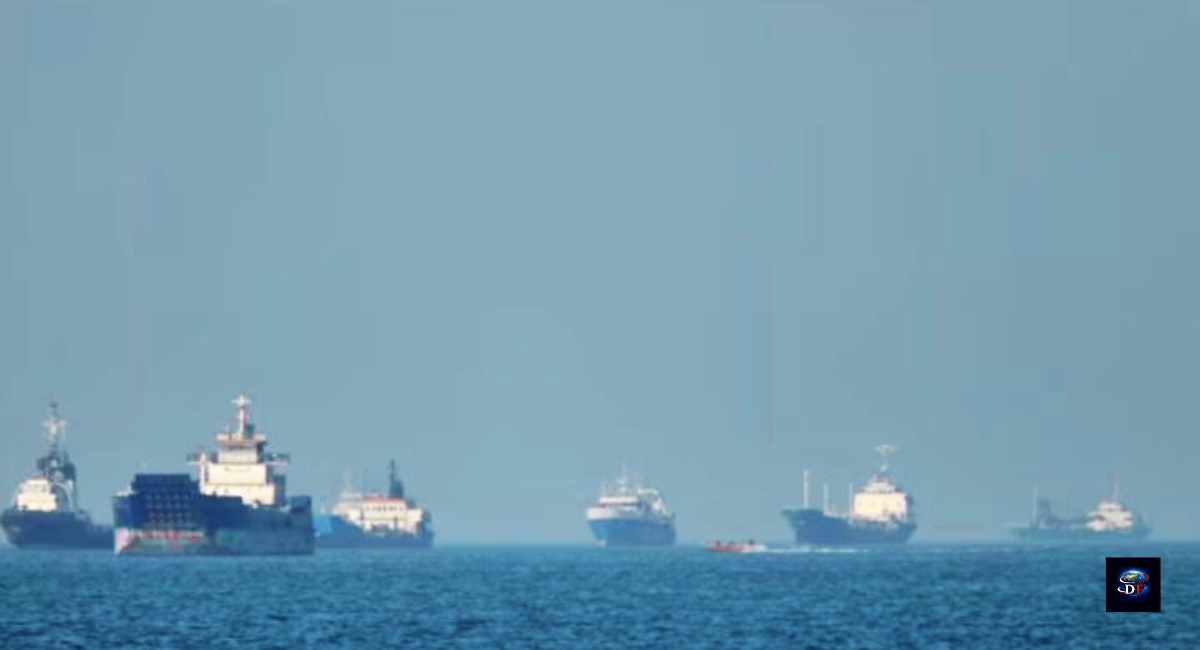
The Hormuz crisis is once again pushing global tensions higher. Fresh threats between the United States and Iran are raising fears of a wider regional conflict, while diplomacy struggles to keep pace with rising risks.
Table of Contents
Rising Tensions in the Gulf
The Hormuz crisis has intensified after new military warnings from Washington and Tehran. Both sides are showing strength, but this approach is increasing uncertainty. The Gulf region now faces a fragile balance where even small incidents can have major consequences.
UAE Targeted by Missiles and Drones
Recent attacks on the UAE highlight how serious the situation has become. Air defence systems intercepted multiple threats, yet damage to an oil facility raised concerns. These incidents show how the conflict is spreading beyond direct US-Iran confrontation.
US Military Response in Strait
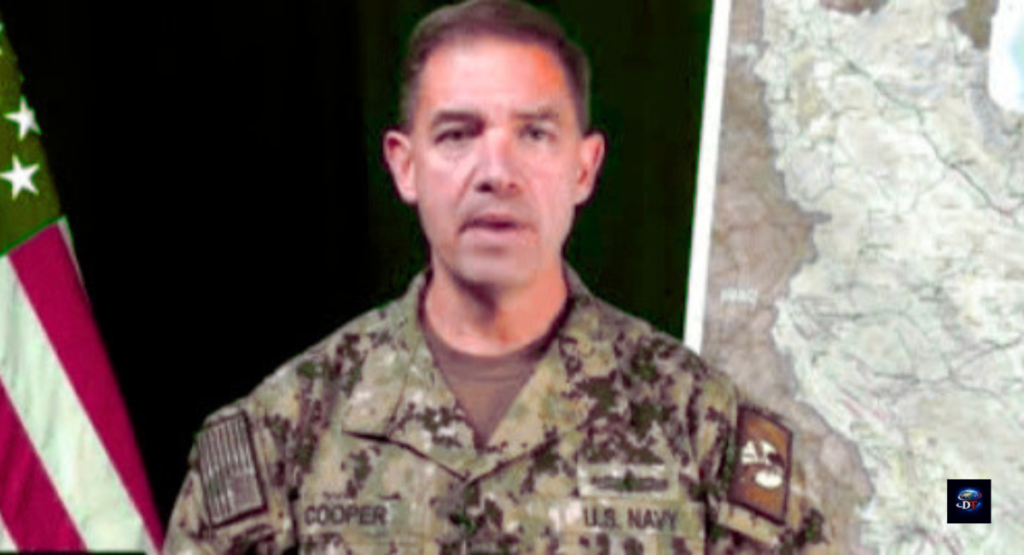
The United States has stepped up naval operations in the Strait of Hormuz. Reports say US forces engaged Iranian boats to protect commercial shipping. This move aims to keep trade flowing, but it also risks further escalation in already tense waters.
Iran’s position and political message
Iran insists there is no military solution to the current crisis. Officials are signaling that diplomacy remains possible, even during conflict. This dual approach of resistance and negotiation reflects Iran’s long-term strategy in regional politics.
Trump’s Strong Warning to Iran
US President Donald Trump issued a sharp warning, saying any attack on American ships would bring severe consequences. Such strong language adds pressure and raises global concern, making the Hormuz crisis even more unpredictable.
Global Reaction and Condemnation
Countries like the UK, France, and Canada have condemned the attacks and called for calm. International leaders are pushing for dialogue, fearing that continued escalation could disrupt global peace and economic stability.
Impact on Oil and Trade Routes
The Strait of Hormuz is a critical route for global oil supply. Any disruption affects international markets. The Hormuz crisis has already forced ships to change routes, increasing costs and creating uncertainty for energy-dependent economies.
Backchannel Talks and Mediation
Despite tensions, indirect talks are still ongoing. Pakistan is playing a quiet mediation role between the US and Iran. These efforts show that even in conflict, diplomacy has not completely stopped.
Civilian Impact and Regional Fear
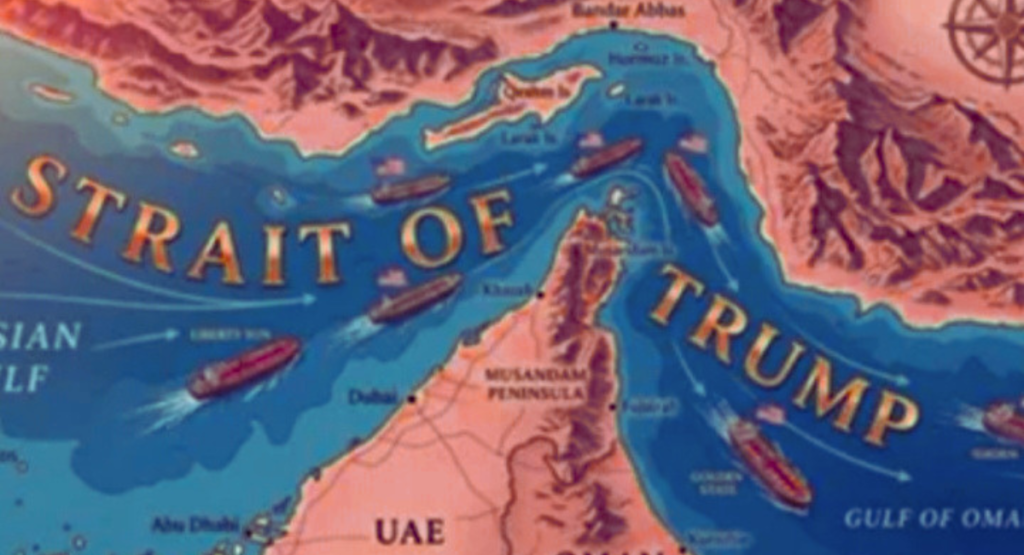
Beyond politics, ordinary people are facing fear and uncertainty. From Iran to Gulf states, civilians are worried about safety, the economy, and future stability. This human side often remains overlooked in global headlines.
What could the future hold?
The future of the Hormuz crisis depends on restraint and dialogue. If tensions continue rising, conflict may expand. However, if negotiations succeed, the region could avoid a major disaster and move toward stability.
Conclusion
The Hormuz crisis is a serious global issue with economic and political impact. While threats dominate headlines, diplomatic efforts still offer hope. The coming days will be critical in shaping peace or conflict in the region.
FAQs
What is the Hormuz crisis?
The Hormuz crisis refers to rising tensions in the Strait of Hormuz involving Iran, the United States, and regional countries affecting global trade and security.
Why is the Strait of Hormuz important?
It is a key route for global oil transport, making it critical for the world economy and energy supply.
What triggered the current tensions?
Military actions, missile strikes, and naval operations between Iran and the US have increased tensions in the region.
How does this crisis affect global markets?
It disrupts oil supply routes, increases prices, and creates uncertainty in global trade.
Is there any chance of peace talks?
Yes, indirect negotiations and mediation efforts are ongoing, offering some hope for de-escalation.

I am the founder and writer at Duniya Time.com, a news website focused on national and international news, social issues, and history. With a background in Islamic History, I write research-based articles in a clear and honest style. My goal is to share accurate information, thoughtful analysis, and meaningful stories that help readers stay informed and understand the world better.