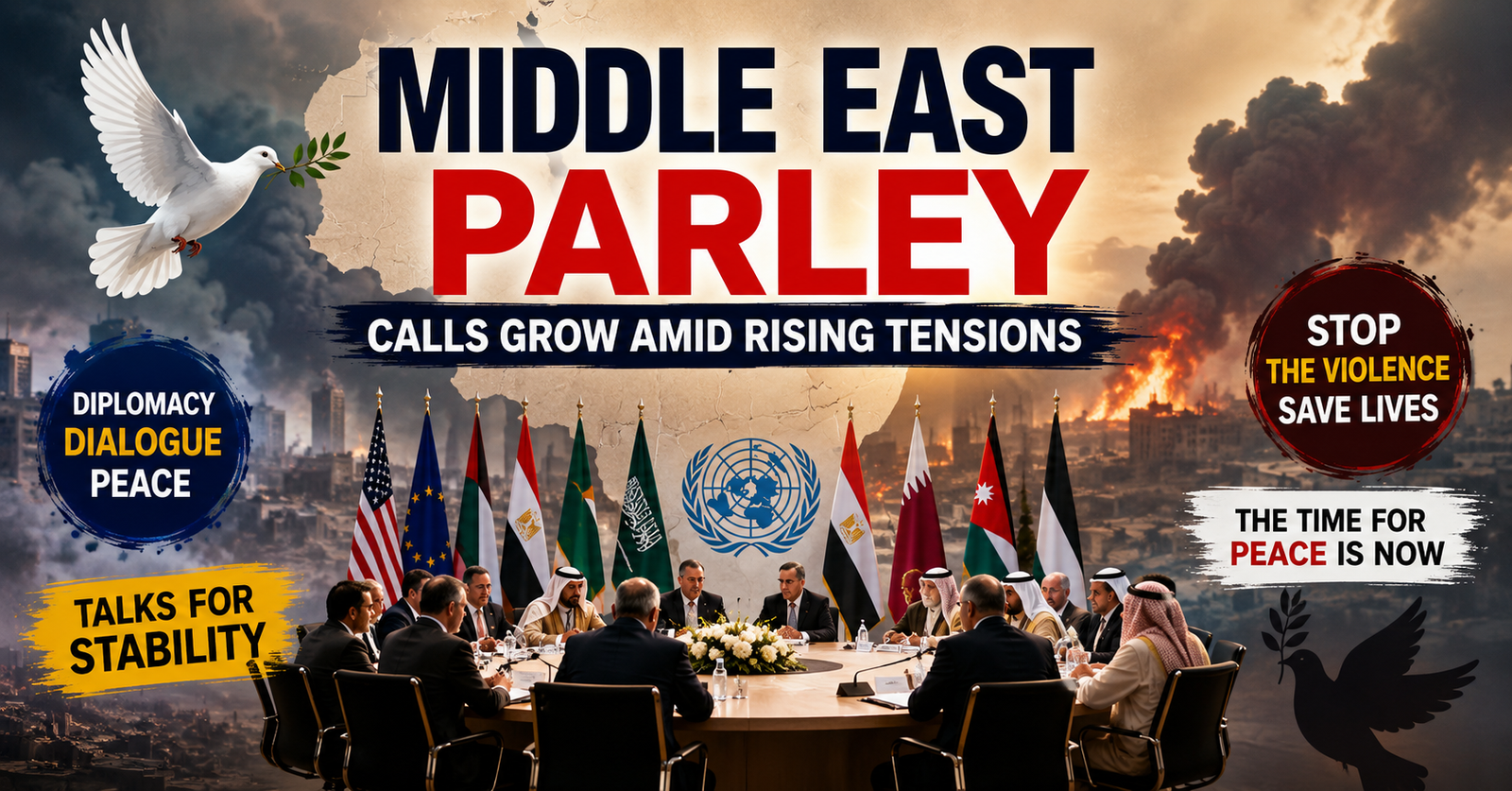
Middle East Parley efforts are gaining attention as regional tensions rise once again. International mediators are urging all sides to return to the negotiating table before the conflict spreads further. Diplomats believe renewed dialogue offers the best chance to reduce violence, protect civilians, and prevent a wider regional crisis.
Table of Contents
Why Middle East Parley Matters
A new wave of violence has increased pressure on world leaders to support peaceful negotiations. The proposed talks aim to reduce military actions, restore communication, and create conditions for long term stability. Many governments believe diplomacy remains the safest path to avoid further escalation.
Rising Middle East Security Concerns
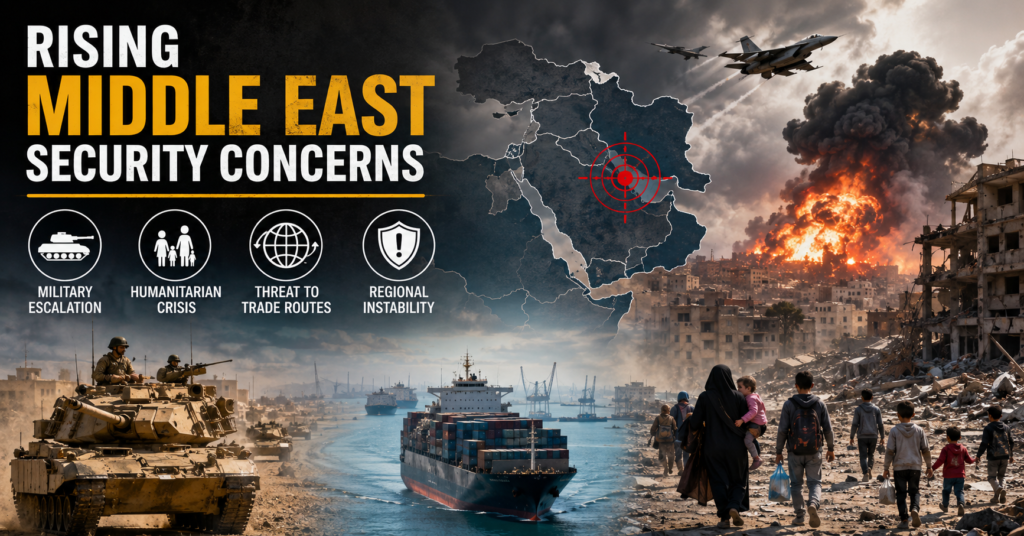
Recent military exchanges have raised fears across the region. Security experts warn that continued attacks could affect neighboring countries and threaten important trade routes. The growing uncertainty has also increased concerns about humanitarian conditions and the safety of civilians living in conflict zones.
Global Leaders Back Peace Talks
Several countries and international organizations have publicly encouraged renewed negotiations. They believe dialogue can lower tensions and reduce the risk of a broader conflict. Diplomatic channels remain active as mediators continue working to bring all parties together for meaningful discussions.
Humanitarian Crisis Keeps Growing
Thousands of families continue facing displacement, shortages of food, and limited access to healthcare. Relief agencies say humanitarian assistance is urgently needed in affected areas. Aid workers are calling for temporary ceasefires to safely deliver food, medicine, and emergency supplies to vulnerable communities.
Economic Impact Across Region
The conflict is affecting energy markets, shipping routes, and investor confidence. Businesses are watching developments closely as uncertainty continues. Economists warn that prolonged instability could increase transportation costs, disrupt regional trade, and place additional pressure on already fragile economies.
Middle East Parley Faces Challenges
Although diplomatic efforts continue, reaching a lasting agreement remains difficult. Deep political differences and security concerns have slowed progress. Trust between the involved parties remains limited, making negotiations more complex despite growing international support for peaceful solutions.
Regional Powers Seek Stability
Neighboring countries are encouraging restraint to prevent the conflict from expanding further. Officials believe cooperation between regional governments can help reduce tensions and improve security. Continued diplomatic engagement may also strengthen confidence building measures between rival sides.
International Community Watches Closely
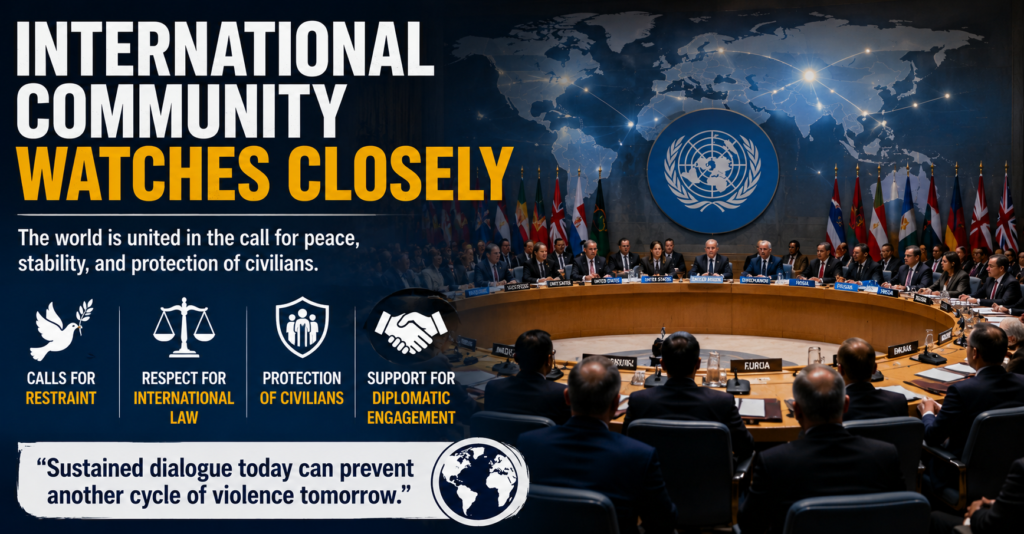
The United Nations and several global partners continue monitoring developments. They have repeated calls for restraint, respect for international law, and protection of civilians. Many observers believe sustained diplomatic engagement is essential to prevent another cycle of violence in the region.
Future Depends on Dialogue
The success of the Middle East Parley will depend on political will and continued international support. If negotiations move forward, they could open the door to confidence building measures and reduce the possibility of further military confrontation in the months ahead.
Conclusion
A peaceful solution remains the strongest hope for lasting regional stability. Continued diplomacy, humanitarian support, and constructive dialogue can help reduce tensions and create opportunities for meaningful progress toward peace.
FAQS
What is the Middle East Parley?
The Middle East Parley is a diplomatic effort where mediators encourage conflicting parties to hold peace talks and reduce regional tensions.
Why is the Middle East Parley important?
The Middle East Parley aims to prevent further violence, protect civilians, and create opportunities for long term peace through dialogue.
Who is supporting the Middle East Parley?
Several countries, international organizations, and diplomatic mediators are supporting the Middle East Parley to encourage peaceful negotiations.
What challenges does the Middle East Parley face?
The Middle East Parley faces challenges including political disagreements, security concerns, and a lack of trust between the parties involved.
Can the Middle East Parley help achieve peace?
If all sides participate sincerely, the Middle East Parley could reduce tensions, improve regional stability, and support long term peace efforts.

I am the founder and writer at Duniya Time.com, a news website focused on national and international news, social issues, and history. With a background in Islamic History, I write research-based articles in a clear and honest style. My goal is to share accurate information, thoughtful analysis, and meaningful stories that help readers stay informed and understand the world better.