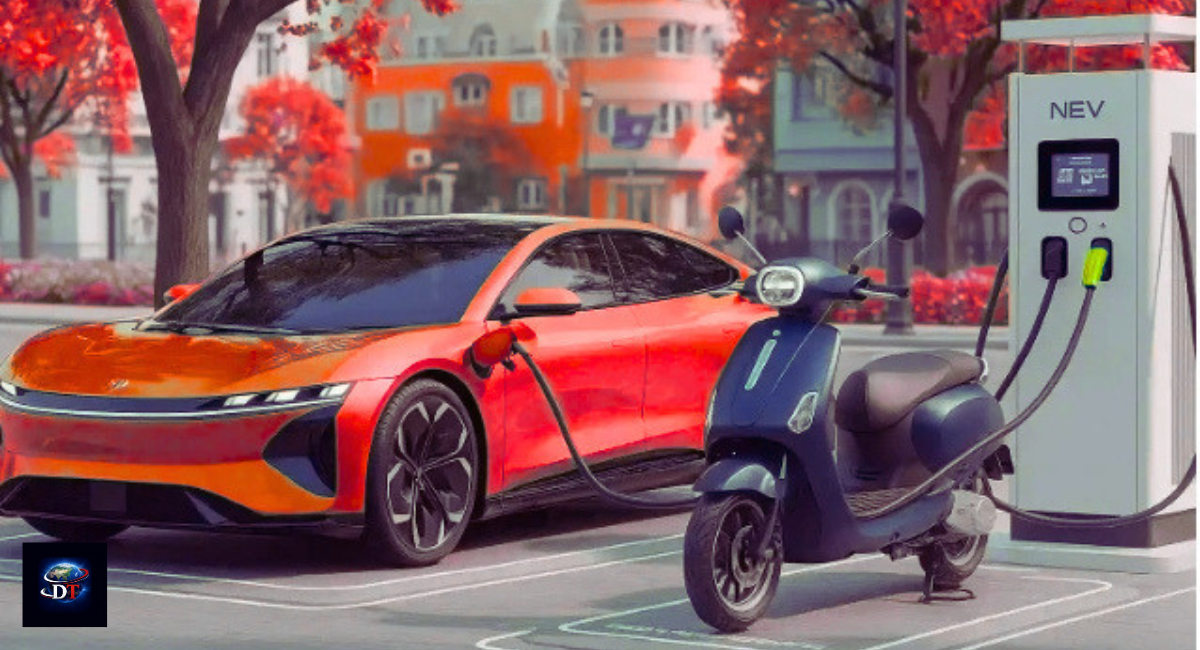
Pakistan electric vehicles policy is moving into a new phase as the government pushes cleaner transport, energy storage, and climate readiness. The latest policy direction links transport reform with energy security, local industry growth, and environmental protection.
Table of Contents
Government Expands Electric Transport Strategy
The government has signaled a gradual shift from fuel-powered transport toward electric mobility. New plans support electric buses and motorcycles in official fleets.This move aims to cut fuel costs, lower emissions, and improve long term transport efficiency. The policy also reflects growing concern over energy dependence and urban pollution. Public transport electrification may create a foundation for wider private sector adoption across cities.
EV Charging Network Development Plan
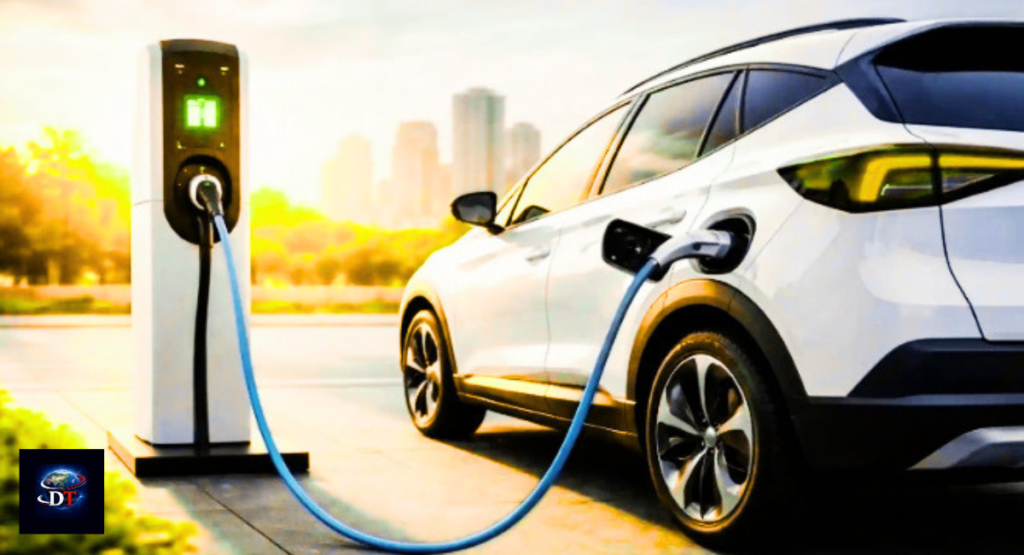
A strong charging network is essential for the success of electric transport. Authorities have stressed faster development of charging stations across Pakistan. Without reliable access to charging points, EV adoption may remain slow. Urban centers, highways, and public facilities are expected to become priorities. Better infrastructure can also improve investor confidence and encourage consumers to consider electric vehicles.
Pakistan Electric Vehicles Policy and Energy Security
Pakistan electric vehicles policy is closely linked with energy planning. Officials believe electric mobility can reduce pressure on imported fuel while supporting sustainable growth. The policy is also connected with strategic energy reserves and conservation efforts. As fuel markets remain uncertain, electric transport offers a practical way to strengthen national resilience and diversify transport energy sources.
Local Battery Manufacturing Opportunities
Battery production has emerged as a major part of the new strategy. The government wants to encourage domestic manufacturing of quality storage batteries. This could reduce import dependence and support industrial growth. Local production may also lower costs for consumers and help develop technical expertise. If supported through incentives, the battery sector could become an important economic opportunity.
Solar Storage and EV Integration
Electric transport is increasingly tied to renewable energy planning. Authorities have discussed storage solutions for surplus solar power and grid level battery systems. This approach can help improve electricity reliability while supporting clean transport. Pakistan electric vehicles policy may benefit greatly if solar energy and EV charging develop together, especially in areas facing power challenges.
Government Fleet Electrification Roadmap
The proposal to include electric buses and motorcycles in official fleets carries symbolic and practical value. Public sector adoption can create demand and demonstrate confidence in the technology. It may also reduce operating expenses over time. Government use often shapes wider market trends, making this step significant for long term transition planning in the transport sector.
Climate Change Policy and Transport Reform
Transport reform is being framed as part of climate response. Pakistan faces growing climate risks, and cleaner mobility is seen as one solution. Reduced emissions from transport can support environmental goals while improving urban air quality. Pakistan electric vehicles policy is therefore not only about vehicles, but also about broader climate adaptation and sustainable development.
Inquiry Into Early Warning System Failure
Alongside transport reforms, the government raised concern over a non functional early warning system in Gilgit Baltistan. An inquiry has been ordered to review failures related to climate risk preparedness. This signals stronger pressure for accountability. Climate resilience requires working monitoring systems, particularly in regions vulnerable to glacial lake outburst floods and seasonal disasters.
Pre Monsoon Preparedness Measures Strengthened
Authorities have also focused on flood readiness before the monsoon season. Discussions highlighted the need to remove obstacles to implementation and improve coordination among institutions. Illegal encroachments along waterways were identified as a serious issue. While separate from transport, these steps show climate planning is becoming part of broader policy thinking.
Economic Benefits of Electric Vehicle Adoption
Electric mobility can support economic gains beyond environmental benefits. Lower fuel imports could reduce pressure on national finances. Local assembly, battery production, and charging infrastructure may generate jobs and investment. Pakistan electric vehicles policy could also encourage technology partnerships and innovation, especially if public and private sectors move together.
Challenges Facing EV Transition in Pakistan
The transition will not be simple. High vehicle costs, limited charging stations, and power supply concerns remain major barriers. Consumer awareness is another challenge. For the policy to succeed, financing support, technical standards, and infrastructure expansion will be necessary. Pakistan electric vehicles policy must address these practical hurdles if implementation is to match ambition.
Conclusion
The latest reforms show Pakistan electric vehicles policy is evolving beyond announcements into a wider strategy linked with energy, industry, and climate resilience. Success will depend on infrastructure, implementation, and sustained commitment in the years ahead.
FAQ :
What is Pakistan Electric Vehicles Policy?
Pakistan Electric Vehicles Policy is a government strategy to promote electric transport, reduce fuel dependence, and support clean energy solutions.
Why is Pakistan investing in electric vehicles?
Pakistan is investing in electric vehicles to improve energy security, reduce emissions, and lower long term transport costs.
Will Pakistan build EV charging stations?
Yes, the government has emphasized expanding EV charging infrastructure to support wider electric vehicle adoption.
Does the policy support battery manufacturing?
Yes, local battery manufacturing is part of the policy to reduce imports and strengthen renewable energy storage.
How can electric vehicles help Pakistan’s economy?
Electric vehicles can reduce fuel imports, support new industries, create jobs, and encourage investment in clean technology.

I am the founder and writer at Duniya Time.com, a news website focused on national and international news, social issues, and history. With a background in Islamic History, I write research-based articles in a clear and honest style. My goal is to share accurate information, thoughtful analysis, and meaningful stories that help readers stay informed and understand the world better.