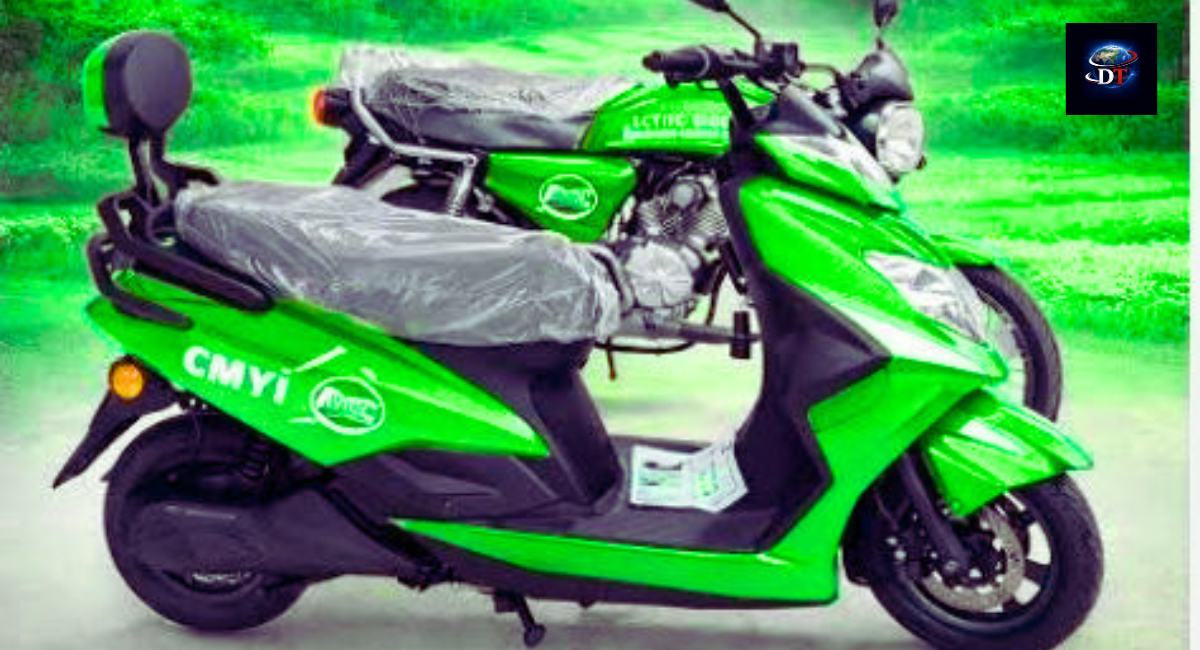
Pakistan E-Scooter Scheme is emerging as a practical step in the country’s transport transition. The plan for government workers up to BPS-16 links affordability, cleaner mobility, and fuel savings in one policy move.
Table of Contents
Easy Installment Electric Scooter Plan
The government wants salaried employees to access electric scooters through manageable monthly payments. This can reduce transport pressure for lower and middle income workers. The installment model may also support faster adoption by removing high upfront costs.
Pakistan EV Policy Targets Growth
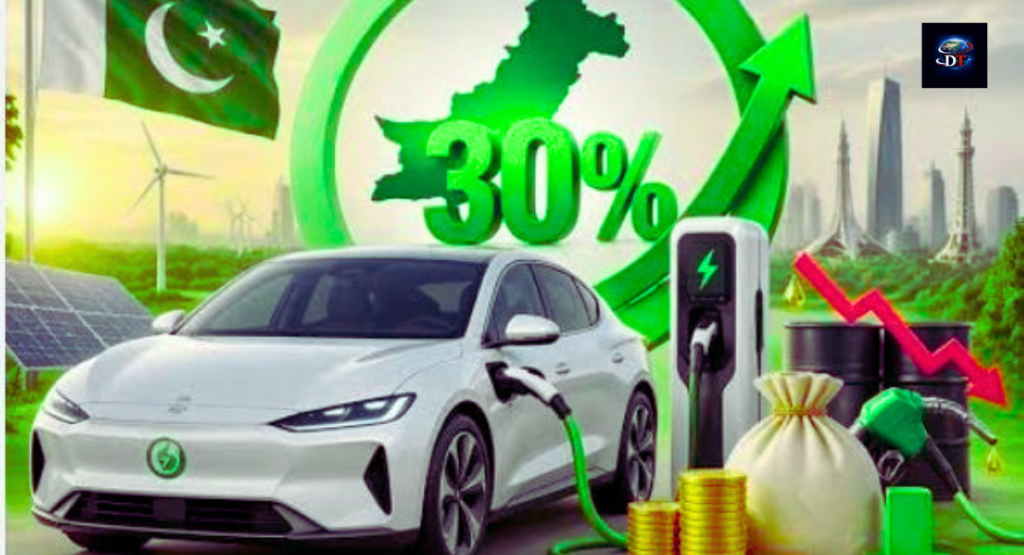
Pakistan aims for a 30 percent electric vehicle shift in five years. That target is tied to lower oil dependence and possible fuel import savings of $4.5 billion. The Pakistan E-Scooter Scheme supports this broader policy direction.
Government Workers Get Green Transport
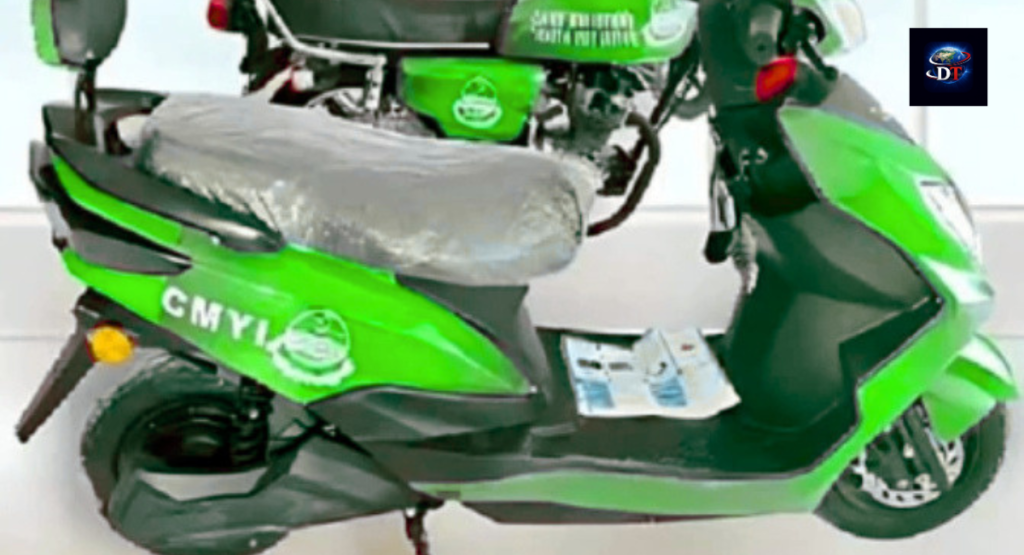
The scheme focuses first on public employees up to BPS-16. This creates a controlled starting point for implementation. If successful, it may become a model for private sector workers and wider public transport reforms in future phases.
Electric Bike Subsidy Transparency Rules
Subsidy distribution remains a central part of the plan. Officials have stressed transparent processing, fair access, and clear eligibility checks. This matters because confidence in incentives often shapes whether citizens trust and join new mobility programs.
Local EV Manufacturing May Benefit
Pakistan has issued dozens of manufacturing certificates for electric two-wheelers. That creates room for domestic production growth. More local assembly may improve supply, lower prices, support parts availability, and encourage industrial investment.
Charging Network Expansion Supports Adoption
Charging infrastructure is critical for long-term success. Applications for charging stations show early progress, though expansion is still needed. A stronger charging network can improve convenience and reduce hesitation among first-time electric scooter users.
Pakistan E-Scooter Scheme and Fuel Savings
One major policy argument behind thePakistan E-Scooter Scheme is reducing imported fuel costs. Two-wheelers use significant fuel nationwide. Electrifying this segment may produce economic relief while helping the country manage energy security challenges.
Why Electric Two Wheelers Matter
Electric scooters are often easier to scale than electric cars. They cost less, suit daily commuting, and fit urban mobility needs. For many users, this makes them a practical entry point into electric transport rather than a distant premium option.
Challenges That Could Slow Progress
Implementation risks remain. Financing terms must stay affordable. Battery quality, after-sales support, and electricity reliability matter. If these issues are ignored, adoption may slow even with strong policy announcements and public interest.
Can This Change Pakistan’s Transport?
If the rollout works, the scheme may reshape commuting patterns. It could normalize electric two-wheelers, encourage cleaner cities, and push private buyers to consider alternatives to petrol bikes. That would give the policy impact beyond government employees.
Economic Impact on Local Market
Higher demand may support dealers, assemblers, battery suppliers, and service businesses. This could generate jobs in related sectors. Policy-backed demand often helps young industries move from limited scale to stronger commercial growth.
Environmental Benefits of Electric Mobility
Lower tailpipe emissions can improve urban air quality. Reduced petrol use may also support climate goals. While power generation challenges remain, transport electrification still offers a cleaner route compared with conventional fuel dependence.
Consumer Confidence Will Be Crucial
Public trust can decide whether this initiative succeeds. Buyers need clear information on range, maintenance, warranty, and financing. Strong execution may turn curiosity into adoption. Weak delivery could create skepticism around Ev program.
Conclusion
The Pakistan E-Scooter Scheme has moved electric mobility from policy discussion toward practical action. Its success now depends on transparent subsidies, infrastructure growth, and smooth execution. If delivered well, it could strengthen Pakistan’s wider EV transition.
FAQ :
What is Pakistan E-Scooter Scheme?
Pakistan E-Scooter Scheme is a government initiative offering electric scooters to eligible BPS-16 employees through easy installment plans.
Who can apply for the scooter scheme?
Government employees up to BPS-16 are the announced target group under the current policy proposal.
How will the installment plan work?
The scheme is expected to allow employees to pay through manageable monthly installments instead of full upfront cost.
Will subsidies be included in the scheme?
Officials have indicated subsidy support may be part of the program, with transparency in distribution being a key focus.
How does the scheme support EV policy?
It supports electric vehicle adoption, lowers fuel dependence, encourages local manufacturing, and helps expand charging demand.
Can this help reduce fuel imports?
Yes. Wider electric two wheeler adoption may reduce petrol use and support lower fuel import costs over time.

I am the founder and writer at Duniya Time.com, a news website focused on national and international news, social issues, and history. With a background in Islamic History, I write research-based articles in a clear and honest style. My goal is to share accurate information, thoughtful analysis, and meaningful stories that help readers stay informed and understand the world better.