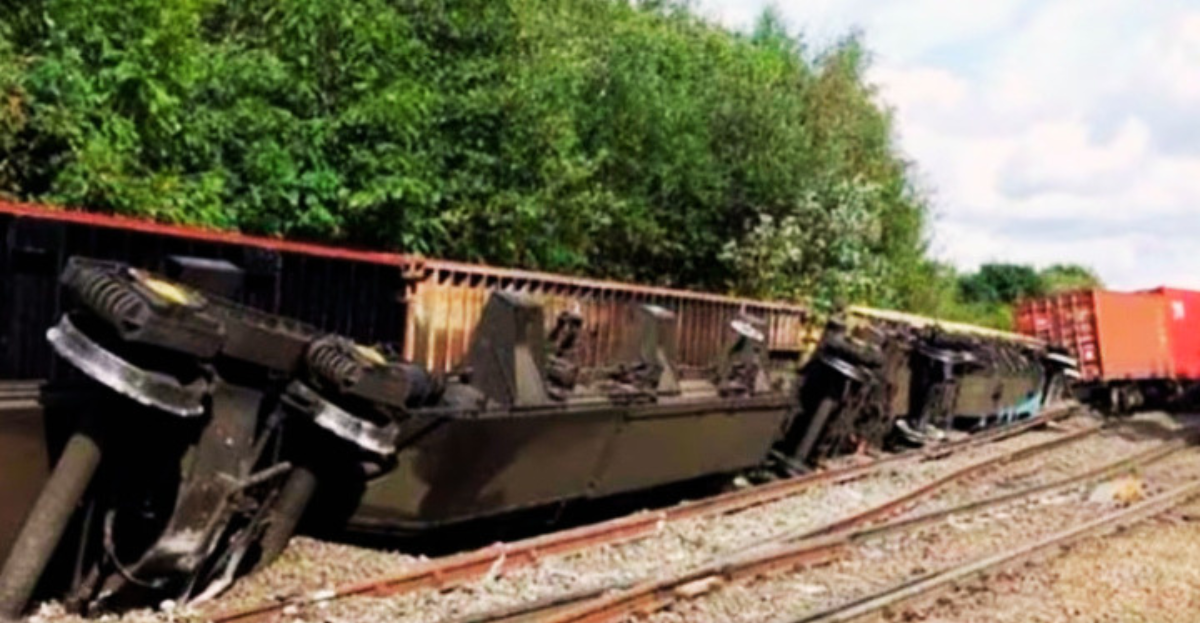
Tando Adam derailment disrupted Pakistan’s main railway route after a coal carrying goods train went off the tracks, blocking both railway lines and causing major delays for passengers and freight services.
Table of Contents
Goods Train Derails Near Tando Adam
A major Tando Adam derailment occurred near Wahab Shah railway station, causing serious disruption to train services on Pakistan’s main railway line. More than a dozen bogies of a goods train went off the tracks, damaging the railway infrastructure at the site. The train was reportedly carrying coal consignments from Karachi towards Lahore when the incident occurred.
The derailment created an immediate challenge for railway authorities because the affected section is part of an important route connecting southern and northern parts of the country. With the train blocking the railway line, normal operations could not continue until emergency teams reached the site and began recovery work.
Both Railway Tracks Blocked
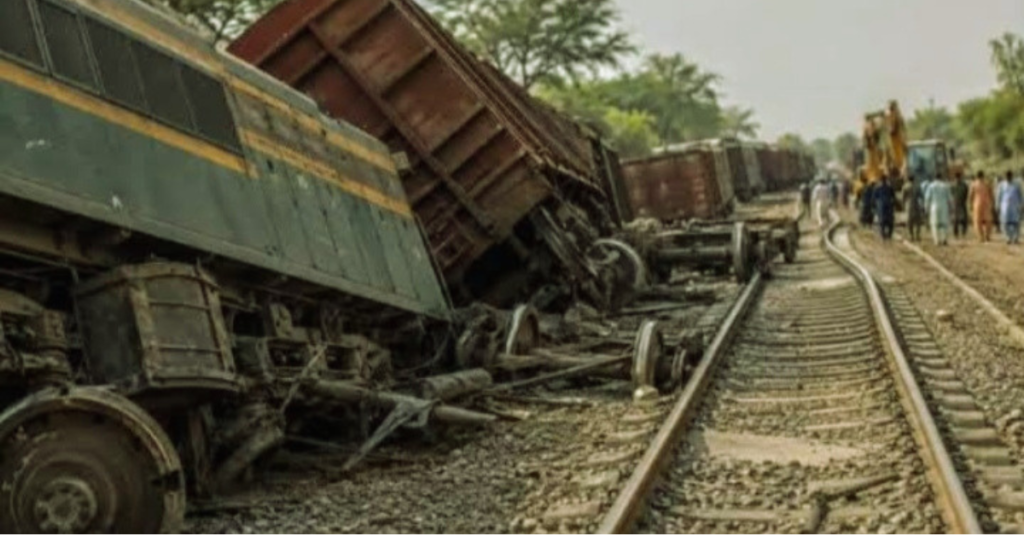
The accident created a major operational problem after both the Up and Down railway tracks were blocked. Damage to the railway infrastructure made it impossible for regular train movement to continue through the affected section.
As a result, railway authorities had to stop or delay several passenger and goods trains at different stations. The blockage also created difficulties for railway officials, who needed to remove the derailed bogies before engineers could inspect and repair the damaged tracks.
Passenger Trains Face Major Delays
The disruption caused significant inconvenience for passengers travelling on the Karachi to Lahore railway route. Several hundred passengers were reportedly stranded for hours as their trains waited for the blocked section to be cleared.
The incident showed how a single accident on an important railway corridor can quickly affect train services across a much wider area. Passengers travelling between different cities faced uncertainty as railway officials worked to assess the damage and restore movement.
For many travellers, delays on a major route can create further problems, especially when passengers have connecting journeys, work commitments or other travel arrangements. The incident therefore affected not only railway operations but also the plans of a large number of passengers.
Coal Train Was Lahore Bound
Railway officials said the derailed goods train was carrying coal consignments and had departed from Karachi for Lahore. Goods trains are an important part of Pakistan’s transport network because they move essential materials between different parts of the country.
However, heavy freight trains also place considerable pressure on railway infrastructure. When a heavily loaded train derails, it can damage tracks, railway equipment and surrounding infrastructure, making recovery operations more difficult.
The exact cause of the derailment was not immediately confirmed in the initial reports. A detailed investigation may be required to determine whether the incident was linked to track conditions, mechanical problems, operational issues or another factor.
No Casualties Reported In Accident
One positive aspect of the Tando Adam derailment was that no deaths or injuries were reported in the initial information available about the incident. Although the accident caused major disruption and damage to railway infrastructure, authorities did not report any casualties.
Officials and technical teams focused on securing the area, removing the derailed bogies and restoring safe railway operations. The absence of reported casualties reduced the human cost of the accident, although the disruption created serious difficulties for passengers and railway authorities.
Safety remains a major concern whenever a train leaves the tracks. Railway officials must ensure that the area is properly inspected before allowing normal train movement to resume.
Relief Train Sent From Kotri
Pakistan Railways responded to the incident by sending a specialised relief train from Kotri to the accident site. Relief trains are used during major railway emergencies to support recovery operations and help remove damaged or derailed coaches and wagons.
Specialised equipment and technical teams are often required to clear a major derailment. The operation can take time, particularly when several heavy wagons are involved and railway tracks have suffered significant damage.
The recovery teams were expected to work on removing the derailed bogies and clearing the railway route. After this process, railway engineers would need to examine the condition of the tracks before allowing trains to pass through the affected area.
Track Restoration May Take Time
The damage caused by the Tando Adam derailment raised concerns about how quickly railway services could return to normal. Railway officials indicated that repair work could take more than 24 hours because both main tracks were affected.
Before train traffic could resume safely, workers needed to remove the derailed bogies, inspect the railway infrastructure and repair damaged sections of the track. Engineers also needed to make sure that the route was safe for both passenger and freight trains.
The restoration process is particularly important on a busy railway corridor. Allowing trains to resume operations before completing proper safety checks could create further risks. For this reason, railway authorities generally need to balance the pressure to restore services quickly with the need to ensure complete safety.
Railway Safety Questions Return
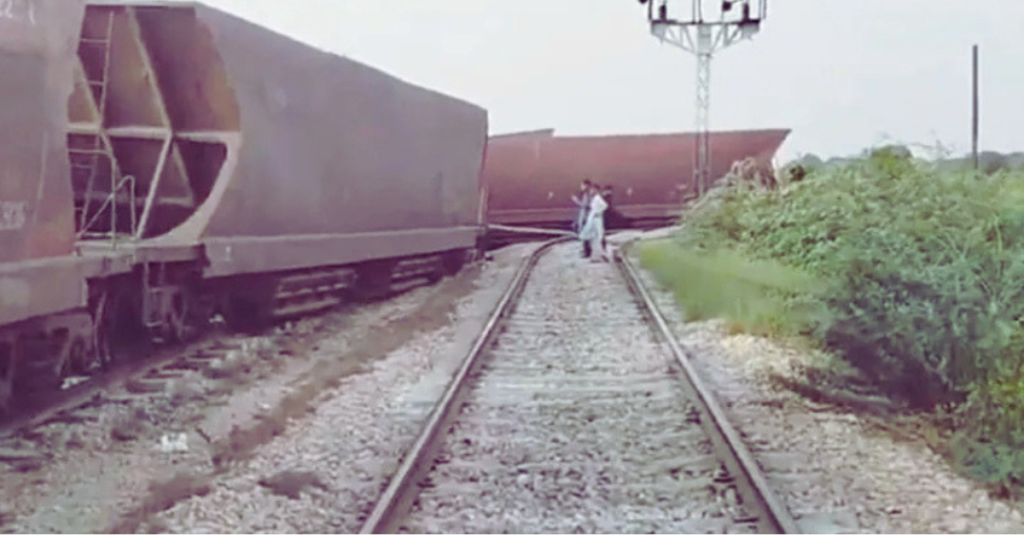
The incident has once again drawn attention to railway safety and the condition of Pakistan’s rail infrastructure. A derailment involving a heavy goods train can damage tracks over a wide area and create risks for both passenger and freight services.
Although the official cause of the accident was not immediately available, a detailed investigation could provide important information. Authorities may examine the condition of the railway track, the mechanical condition of the train, operational procedures and other possible factors.
Regular track maintenance and proper inspection are essential for reducing the risk of railway accidents. Pakistan’s railway network serves millions of passengers and transports large quantities of goods, making safety checks an important part of daily operations.
Main Rail Route Suffers Disruption
The Tando Adam derailment affected an important section of the railway network connecting the southern and northern parts of Pakistan. The Karachi to Lahore route carries both passenger and freight traffic, meaning that any major blockage can cause delays across several locations.
The incident also highlighted the importance of a rapid emergency response. When a railway accident occurs, authorities must quickly send recovery teams, assess the damage and communicate with passengers and railway staff.
Strong track maintenance, regular safety inspections and improved emergency response systems can help reduce the impact of future incidents. A reliable railway system is important for passengers, businesses and the wider economy.
What Happens After The Accident
Following a major derailment, railway authorities normally focus on several key priorities. The first priority is to ensure the safety of passengers, railway workers and nearby communities.
The second step is to remove the derailed coaches or wagons from the railway tracks. Specialised equipment may be required to lift and move heavy wagons. The third step involves a detailed inspection of the railway infrastructure.
Engineers then repair damaged tracks and other infrastructure before railway traffic is allowed to resume. Authorities may also investigate the cause of the accident and consider whether additional safety measures are needed.
The final assessment of the incident could provide more information about what caused the derailment and how similar accidents can be prevented in the future.
Conclusion
The Tando Adam derailment caused major disruption to Pakistan’s railway network, delayed passengers and blocked both main tracks. Recovery teams worked to clear the site and restore safe train operations. The incident also highlights the importance of railway maintenance, safety inspections and rapid emergency response.
FAQs
What happened in the Tando Adam derailment?
More than a dozen bogies of a coal carrying goods train derailed near Wahab Shah railway station close to Tando Adam. The accident blocked both Up and Down railway tracks and disrupted train services.
Were there casualties in the Tando Adam derailment?
No deaths or injuries were reported in the initial information about the accident. However, several hundred passengers were reportedly stranded for hours because train services were disrupted.
Where was the derailed train travelling?
The goods train was reportedly carrying coal consignments from Karachi to Lahore when it derailed near Tando Adam.
Why was rail traffic disrupted?
Both main railway tracks were blocked and the railway infrastructure was damaged. Railway authorities needed to remove the derailed bogies and repair the affected section before normal train services could resume.
How did Pakistan Railways respond?
Pakistan Railways sent a specialised relief train from Kotri to assist with recovery operations and help clear the accident site.

I am the founder and writer at Duniya Time.com, a news website focused on national and international news, social issues, and history. With a background in Islamic History, I write research-based articles in a clear and honest style. My goal is to share accurate information, thoughtful analysis, and meaningful stories that help readers stay informed and understand the world better.