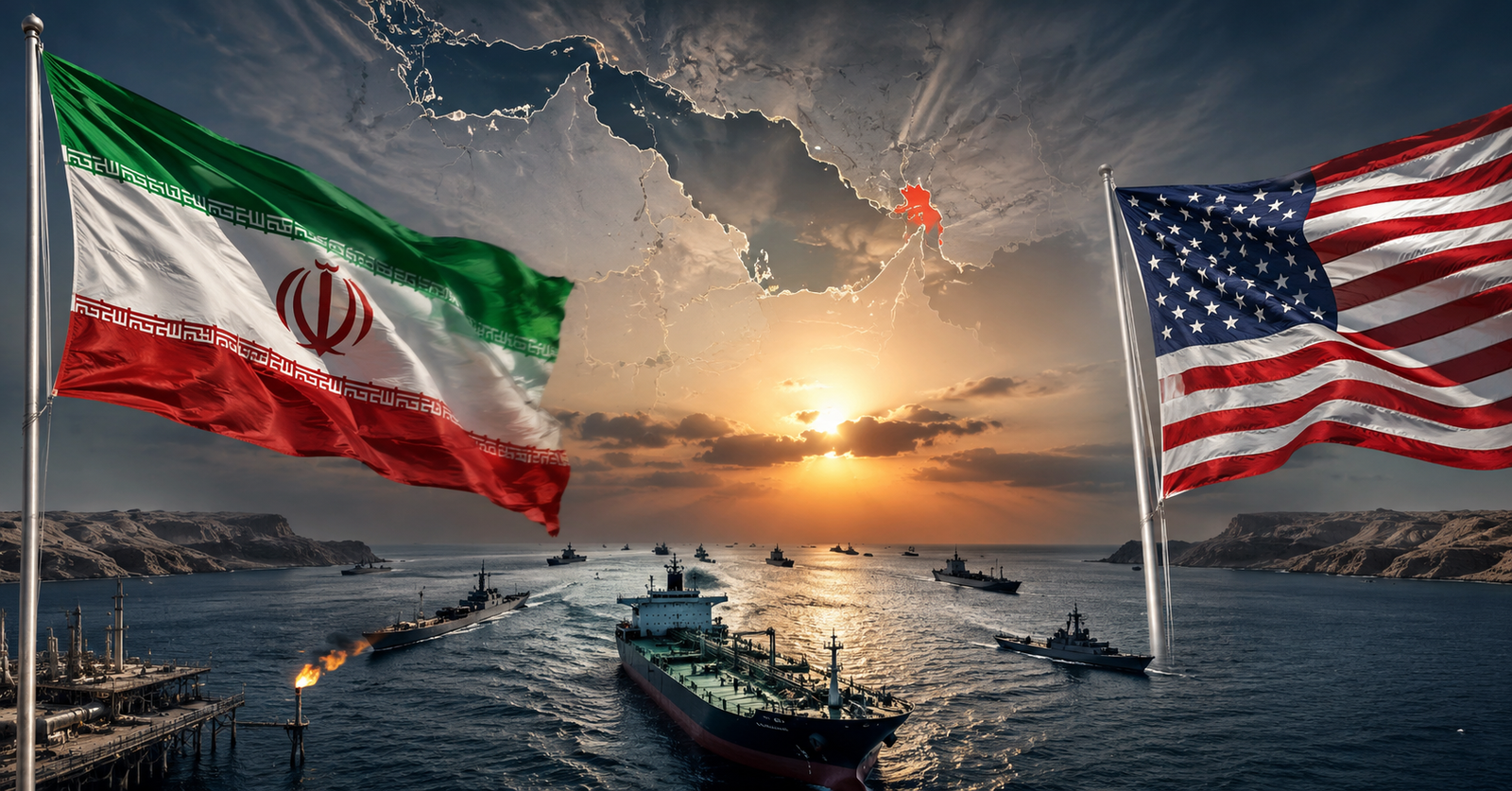
Iran warns U.S. of Hormuz red line as tensions rise following strong statements linked to possible American military action. Tehran says any attack targeting its territory or strategic interests could trigger a direct response. The latest warnings have renewed global concerns about security in the Gulf and the future of energy markets.
The Strait of Hormuz remains one of the world’s most important waterways. Any military escalation could affect shipping, oil prices, and regional stability. Governments across the world are closely watching developments while urging restraint and diplomatic engagement.
Table of Contents
Why Iran Issued Warning
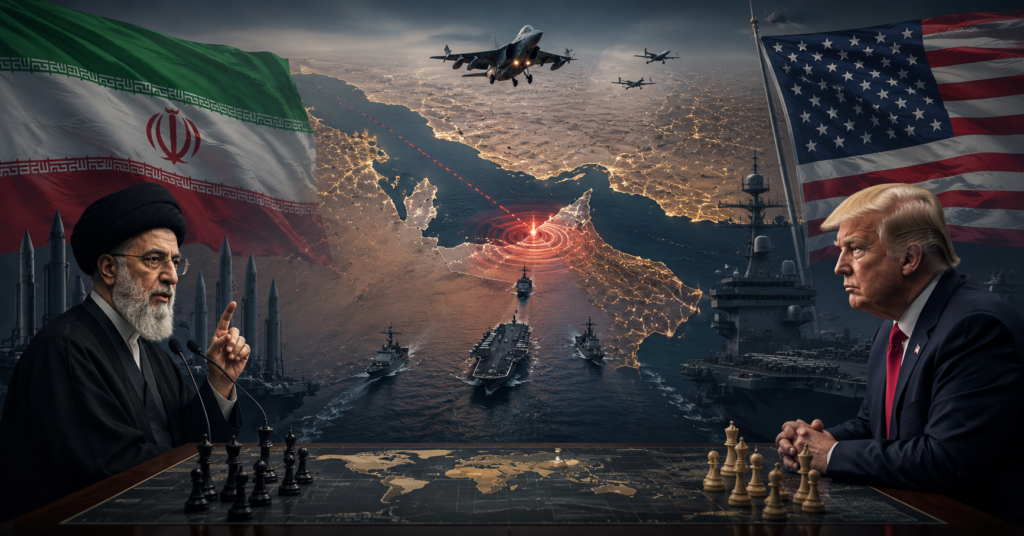
Iranian officials described the Strait of Hormuz as a national security red line. They argued that any military operation threatening the area would receive an immediate response. The warning came after reports discussing possible military options and statements attributed to former U.S. President Donald Trump.
Tehran believes pressure and threats cannot force policy changes. Instead, officials say diplomacy is the only path to reducing tensions. The latest remarks reflect Iran’s determination to protect its strategic interests in the Gulf region.
Trump Strike Comments
Recent public comments linked to Donald Trump increased attention across international media. Discussions about possible military action prompted Iranian leaders to issue fresh warnings. Analysts believe political statements alone can influence regional security and financial markets.
Although no immediate military operation has been confirmed, the exchange of strong language has created uncertainty. Investors, shipping companies, and neighboring countries continue monitoring every official statement from Washington and Tehran.
Hormuz Strategic Role
The Strait of Hormuz connects the Persian Gulf with international waters. A significant share of global oil and natural gas exports passes through this narrow route every day, making it one of the world’s most valuable maritime corridors.
Because of its importance, even limited military activity can disrupt shipping schedules and increase transportation costs. Energy markets often react quickly whenever security concerns emerge around the waterway.
Regional Security Impact
The latest developments have raised concerns among Gulf countries. Many regional governments support stability because conflict could affect trade, tourism, investment, and economic growth. Diplomatic efforts continue to reduce misunderstandings between major powers.
Military experts believe that even small incidents at sea can escalate rapidly if communication fails. Therefore, international organizations continue encouraging dialogue before tensions become more serious.
Global Oil Concerns
Energy traders immediately pay attention whenever Iran warns U.S. of Hormuz red line because the Strait of Hormuz influences global oil supplies. Even speculation about conflict can increase crude oil prices and create uncertainty in international markets.
Higher oil prices may increase transportation costs and inflation in many countries. Import dependent economies often face additional pressure when fuel becomes more expensive due to geopolitical tensions.
Diplomatic Efforts Continue
Several countries continue encouraging peaceful negotiations between Washington and Tehran. International partners believe diplomatic engagement remains the best option for avoiding military confrontation and protecting economic stability across the Middle East.
Experts argue that confidence building measures, direct communication, and regional cooperation could reduce misunderstandings. Successful diplomacy would benefit global trade, energy security, and long term regional peace.
Military Preparedness
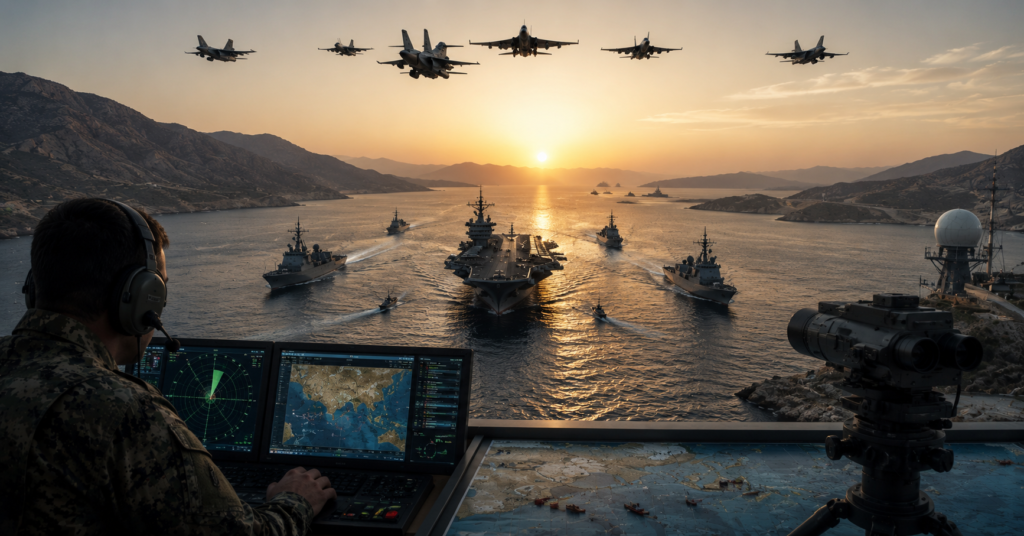
Both sides continue maintaining military readiness while monitoring activities across the Gulf. Naval forces remain alert because the Strait of Hormuz is considered strategically important for international shipping and regional security.
Defense analysts believe preparedness does not automatically mean conflict is inevitable. However, the presence of military assets increases the need for careful communication to avoid accidental escalation between opposing forces.
World Leaders React
International leaders have appealed for restraint following the latest exchange of warnings. Many governments stress that stability in the Gulf benefits the global economy and helps maintain secure energy supplies.
The United Nations and several allied countries continue supporting diplomatic dialogue instead of confrontation. Their goal is to prevent further escalation while encouraging peaceful solutions through international cooperation.
What Happens Next
The future largely depends on political decisions made by both Washington and Tehran. Continued diplomatic engagement could reduce tensions, while additional threats or military incidents may increase uncertainty across the region.
Observers believe Iran warns U.S. of Hormuz red line will remain an important issue in international relations. Global markets, shipping companies, and governments will continue following developments closely in the coming weeks.
Conclusion
Iran warns U.S. of Hormuz red line at a time of growing regional uncertainty. Diplomatic solutions remain the safest path. The coming weeks will determine whether dialogue succeeds or tensions continue affecting global security and energy markets.
FAQS
What does Iran’s Hormuz red line mean?
Iran says any military action threatening the Strait of Hormuz or its national security will receive a strong response.
Why is the Strait of Hormuz important?
The Strait of Hormuz is a vital shipping route through which a large share of the world’s oil and natural gas exports passes.
Why did Iran warn the United States?
Iran issued the warning after reports and statements about possible U.S. military action and strike threats.
How could tensions affect oil prices?
Any disruption in the Strait of Hormuz may reduce oil supplies, leading to higher global energy prices.
Can diplomacy prevent conflict?
Many countries believe diplomatic talks remain the best way to reduce tensions and avoid military escalation.

I am the founder and writer at Duniya Time.com, a news website focused on national and international news, social issues, and history. With a background in Islamic History, I write research-based articles in a clear and honest style. My goal is to share accurate information, thoughtful analysis, and meaningful stories that help readers stay informed and understand the world better.