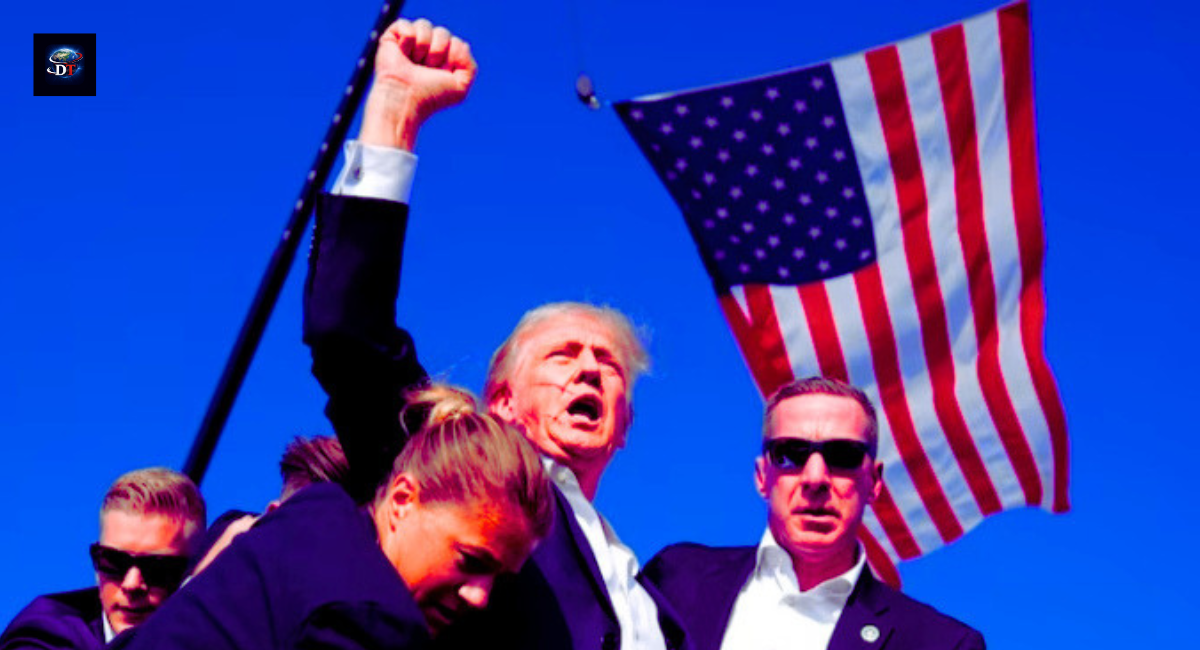
The Trump assassination attempt at a high profile media gala in Washington has triggered serious debate about presidential security, political violence, and growing instability in public life. Authorities say the suspect was stopped before reaching Donald Trump, but the incident has raised urgent concerns about how an armed attacker managed to get so close to a heavily protected event. The case is now being treated as a major national security matter, while investigators examine motive, planning, and possible wider implications. Beyond the criminal charges, the event has reopened questions about safety at political gatherings and the risks created by increasingly hostile rhetoric.
Table of Contents
Security Breach Raises Alarm
One of the biggest concerns after the shooting is the security failure itself. Reports indicate the attacker carried multiple weapons and pushed through an outer security layer before being subdued. Even though Trump was moved quickly to safety, critics say the breach exposed weaknesses at an event attended by senior officials, journalists, and lawmakers.
Security experts often rely on layered protection. When one layer fails, others must respond instantly. This incident is now likely to lead to reviews of screening procedures, access points, and emergency response planning.
How the Attack Unfolded
According to early reports, gunfire erupted near a security checkpoint during the formal dinner. Panic spread inside the venue as guests reacted to the sound of shots. Secret Service agents moved the president from the area while officers confronted the suspect.
Officials said no guests were killed. A protective vest reportedly prevented more serious injury to an agent. That detail has added to discussion about how close the event may have come to a far worse outcome.
Trump Assassination Attempt Revives Old Fears
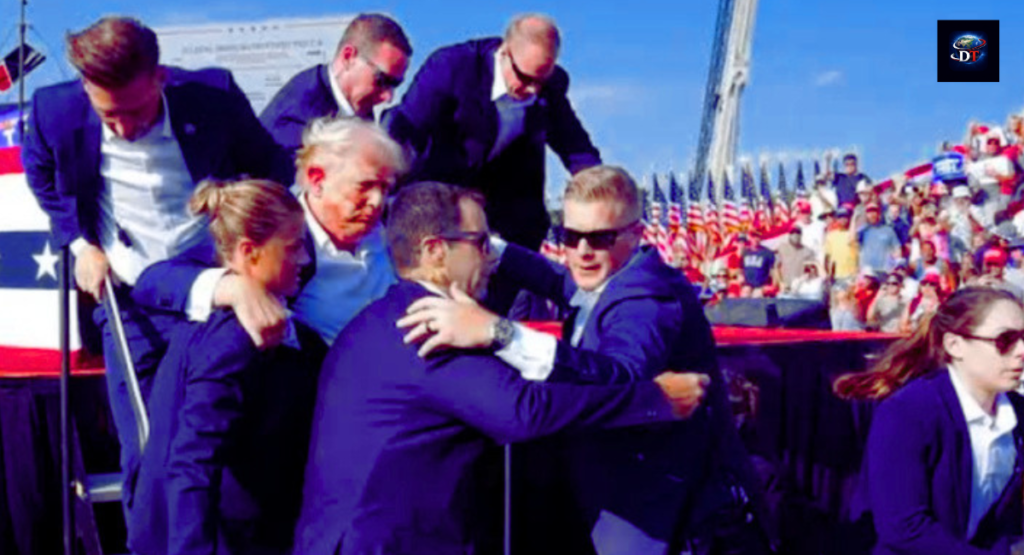
The Trump assassination attempt has also revived memories of earlier threats against the president. This is one reason the case has drawn such strong political reaction. Repeated threats can change how campaigns, public events, and even routine appearances are managed.
Analysts say a pattern of threats can force long term security changes. Those changes often affect not only one political figure, but the broader system that protects elected leaders.
Political Violence in America
The incident has renewed debate over political violence in the United States. Many observers argue public hostility has intensified in recent years. Threats against public officials, judges, and election workers have become a larger concern.
Violence tied to politics carries consequences beyond one event. It can weaken trust, discourage participation, and deepen divisions. That is why many experts see this case as larger than a criminal prosecution.
Investigators Focus on Motive
A central question remains why the suspect allegedly carried out the attack. Investigators are expected to review communications, digital records, and personal background.
Understanding motive matters because it helps determine whether the act was isolated or linked to wider ideological influence. Prosecutors often build such cases around evidence showing intent, preparation, and target selection.
Trump Assassination Attempt and Security Reform
The Trump assassination attempt may push officials toward policy changes. Reviews could include stronger venue screening, revised Secret Service protocols, and tighter coordination with local police.
After major security failures, governments often adjust standards. Metal detection zones, restricted perimeters, and credential checks may all face scrutiny after this incident.
Role of the Secret Service
Much attention has turned to the response of the Secret Service. While questions remain about the initial breach, the rapid extraction of the president is also being examined as part of the response.
Protective agencies prepare constantly for rare but high risk scenarios. Their success is often judged not only by prevention, but by how quickly they contain danger when something goes wrong.
Media Events Face New Risks
Political dinners and media gatherings are often seen as controlled spaces. This event may change that assumption. Organizers could now face tougher security expectations at similar functions.
Public events involving leaders require a balance between openness and protection. Incidents like this often push systems toward greater restrictions.
Trump Assassination Attempt Shapes Election Debate
The Trump assassination attempt is already influencing political discussion. Supporters may point to it as proof of rising threats, while critics may focus on the wider climate that allows extremism to grow.
Election periods often amplify reactions to major security events. This could affect campaign messaging, turnout discussions, and broader narratives around law and order.
Public Reaction and National Response
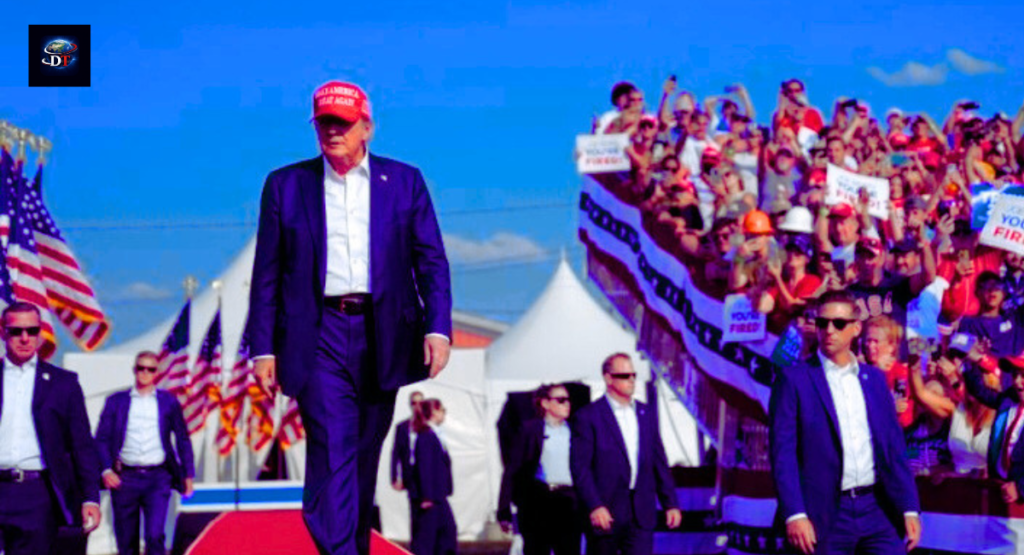
Public response has included shock, concern, and renewed calls for restraint in political discourse. Many commentators argue inflammatory rhetoric can contribute to dangerous outcomes, even when not directly tied to violence.
National responses to such incidents often go beyond investigations. They can shape debates about civic responsibility, political conduct, and democratic stability.
Legal Charges and What Comes Next
The accused faces severe charges, including attempting to assassinate the president. If convicted, penalties could be significant. Prosecutors are expected to pursue the case aggressively given the seriousness of the allegations.
Court proceedings may reveal more about planning, weapons possession, and whether others had any role. Those findings will shape how history judges the incident.
Trump Assassination Attempt Signals Larger Concerns
The Trump assassination attempt is not only a criminal case. It reflects deeper concerns about security, polarization, and the safety of democratic institutions. When armed threats reach major political events, questions extend beyond one suspect.
For policymakers, the challenge is preventing future breaches without undermining public access or democratic openness. That balance is difficult but essential.
Conclusion
The Trump assassination attempt has become a defining security story with political and institutional consequences. It exposed vulnerabilities at a highly protected event, raised fresh concern about political violence, and intensified debate about how leaders should be protected in a tense climate. Investigators will continue examining motive and accountability, while officials review whether security reforms are needed.
The long term significance may depend on what happens next. If the incident leads only to short term reaction, deeper risks may remain unresolved. But if it drives serious reforms and broader reflection on political hostility, it could become a turning point. For now, the case stands as a warning that threats against democratic leadership remain real and demand sustained attention.
FAQ
What happened in the Trump assassination attempt?
Authorities say an armed suspect tried to breach security at a media gala attended by Donald Trump and was stopped before reaching the president.
Why is the Trump assassination attempt significant?
The incident raised serious questions about presidential protection, political violence, and possible weaknesses in event security.
Could the Trump assassination attempt lead to security reforms?
Yes, experts believe the case may push reviews of Secret Service procedures, venue screening, and emergency response measures.
How has the Trump assassination attempt affected political debate?
It has intensified discussion about extremism, public safety, and the impact of hostile political rhetoric.
What charges does the suspect face?
Reports indicate the accused faces charges linked to attempting to assassinate the president and firearms related offenses.

I am the founder and writer at Duniya Time.com, a news website focused on national and international news, social issues, and history. With a background in Islamic History, I write research-based articles in a clear and honest style. My goal is to share accurate information, thoughtful analysis, and meaningful stories that help readers stay informed and understand the world better.