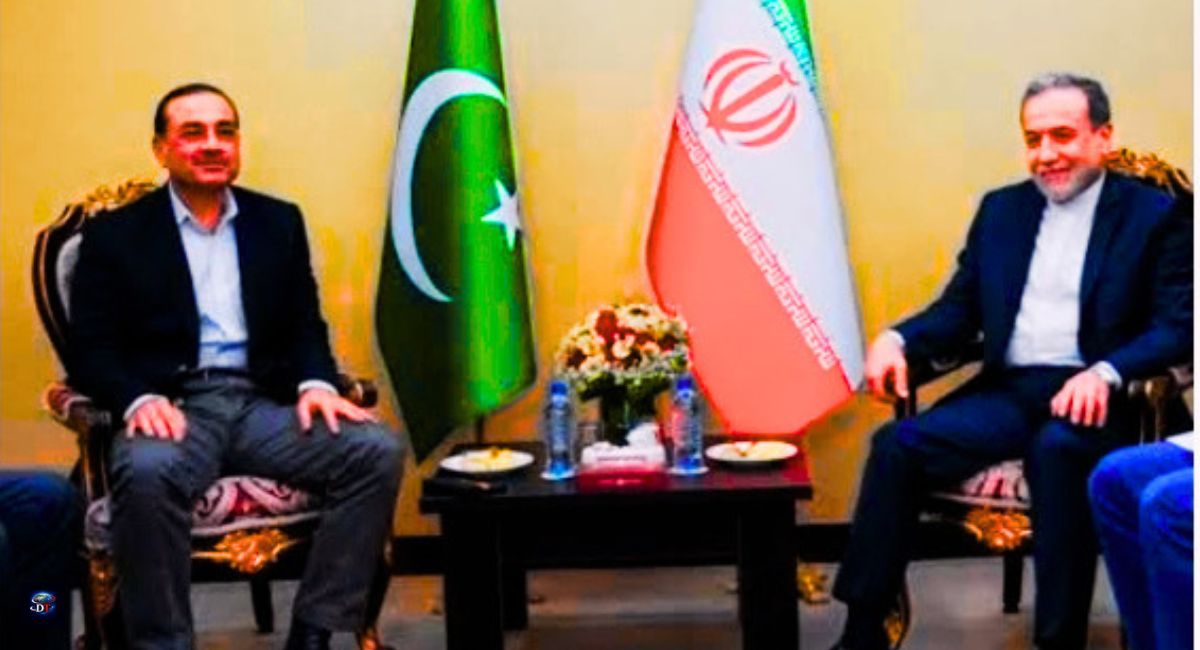
Pakistani mediation in Iran US talks have entered a delicate phase after the cancellation of planned negotiations raised doubts about progress. Regional diplomacy now faces pressure from conflict, sanctions, and security risks.
Table of Contents
Diplomatic Talks Enter Uncertain Stage
Pakistan mediation in Iran US talks remain under global focus as dialogue between Tehran and Washington struggles to regain momentum. Recent signals from both sides show willingness to communicate, but major disagreements continue to block direct progress.
Trump Cancels Planned Negotiation Visit
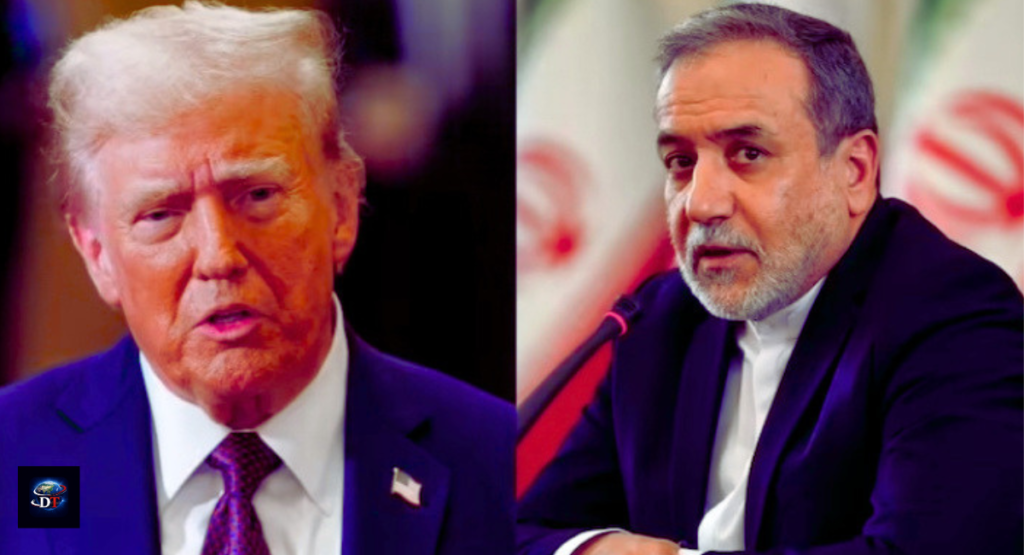
The decision to halt a planned envoy visit to Islamabad created uncertainty around mediation efforts. Analysts see the move as a setback because Pakistan had emerged as a neutral bridge for indirect diplomacy during a highly sensitive moment.
Iran Pushes Diplomacy Through Moscow
Iran has increased diplomatic outreach by engaging Russia while keeping channels with Pakistan open. These parallel efforts show Tehran is seeking multiple pathways to prevent escalation and keep negotiations from collapsing under military pressure.
Strait of Hormuz Crisis Adds Pressure
The blockade tensions in the Strait of Hormuz continue affecting global markets and shipping security. Pakistan mediation in Iran. The US talks now carry wider economic importance because energy disruption has raised concerns about inflation and recession.
Pakistan’s Neutral Role Gains Attention
Islamabad has positioned itself as a mediator rather than a partisan actor. Its diplomatic approach focuses on dialogue, de-escalation, and regional stability. This balanced posture has increased interest in Pakistan’s role among international observers.
US Demands Iran Still Remain Apart
Despite reports of limited progress, core disputes continue over sanctions, security demands, and maritime restrictions. Pakistani mediation in Iran US talks faces challenges because neither side has yet shown major movement on these central disagreements.
Lebanon Conflict Complicates Negotiations
Military activity involving Israel and Hezbollah has widened regional instability. This spillover makes diplomacy harder because any escalation beyond the Gulf can reshape priorities and reduce political space for serious negotiations between Washington and Tehran.
Oil Markets React to Diplomatic Delays
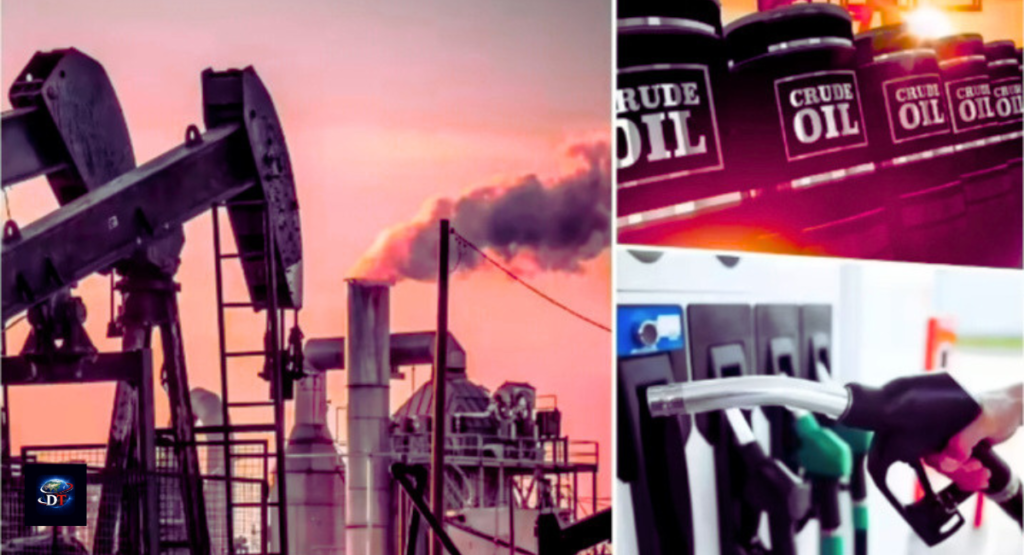
Energy markets have responded quickly to stalled negotiations. Oil prices moved upward as uncertainty deepened. Investors are watching Pakistan’s mediation in Iran US talks closely because any diplomatic breakthrough could ease pressure on global supply concerns.
Russia Meeting May Influence Next Phase
Talks involving Iranian officials and Russian leadership may affect the next negotiation track. If Moscow supports a renewed framework, Pakistan could still remain central as a venue or facilitator for indirect contacts between both rival states.
Can Pakistan Revive Mediation Momentum?
Pakistan mediation in Iran. The US talks are not finished despite recent setbacks. Diplomacy often moves through pauses before progress. Much depends on whether both sides lower demands enough to reopen structured talks in coming weeks.
Regional Stability Depends on Dialogue
The crisis has shown military pressure alone may not deliver durable outcomes. Pakistani mediation in Iran. US talks could still help reduce confrontation if diplomatic channels remain active and regional actors continue supporting negotiated solutions.
conclusion
The path forward remains uncertain, but mediation efforts have not ended. If diplomacy survives current tensions, Pakistan may still play a significant role in shaping a broader framework for stability, security, and future regional dialogue.
FAQ:
What is Pakistan mediation in Iran US talks?
It refers to Pakistan’s diplomatic role in helping facilitate indirect communication and possible negotiations between Iran and the United States.
Why did the Iran US talks face delays?
The talks slowed due to disagreements over sanctions, security issues, and tensions related to the Strait of Hormuz.
Why is Pakistan important in these negotiations?
Pakistan is viewed as a neutral channel that can support dialogue and reduce regional tensions through mediation.
How does the Strait of Hormuz affect the talks?
The waterway is vital for global energy supply, so tensions there increase pressure for diplomatic solutions.
Can Pakistan help restart negotiations?
If both sides show flexibility, Pakistan may still play a role in helping revive indirect talks.

I am the founder and writer at Duniya Time.com, a news website focused on national and international news, social issues, and history. With a background in Islamic History, I write research-based articles in a clear and honest style. My goal is to share accurate information, thoughtful analysis, and meaningful stories that help readers stay informed and understand the world better.