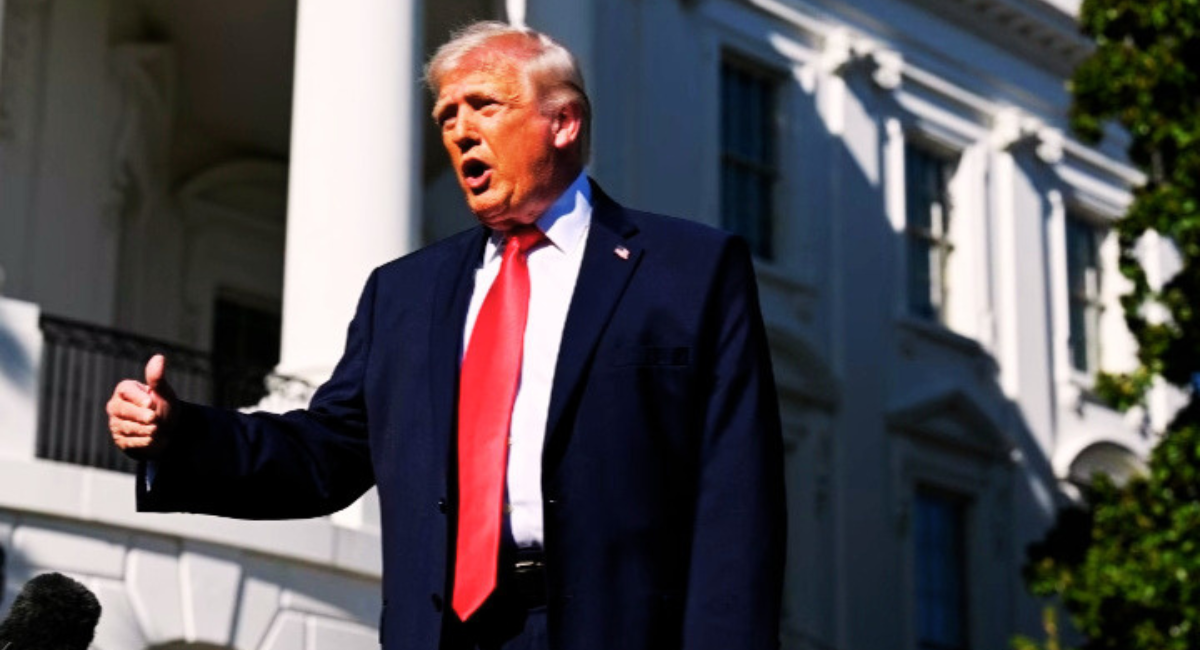
Trump Iran negotiations became a major international topic after President Donald Trump indicated that he was unconcerned if ongoing discussions with Iran came to an end. His remarks came during a CNBC interview amid rising tensions in the Middle East. Investors, governments, and energy markets are closely watching developments because any breakdown in diplomatic efforts could affect regional stability, oil supplies, and future relations between Washington and Tehran.
Table of Contents
Trump Signals Indifference
President Trump surprised many observers when he stated that he did not care whether negotiations with Iran continued. According to his comments, the talks had become slow and unproductive. He suggested that Iranian officials were delaying progress rather than working toward meaningful results. His remarks reflected growing frustration with the pace of diplomacy and raised questions about the future direction of American foreign policy in the region.
Talks Face New Pressure
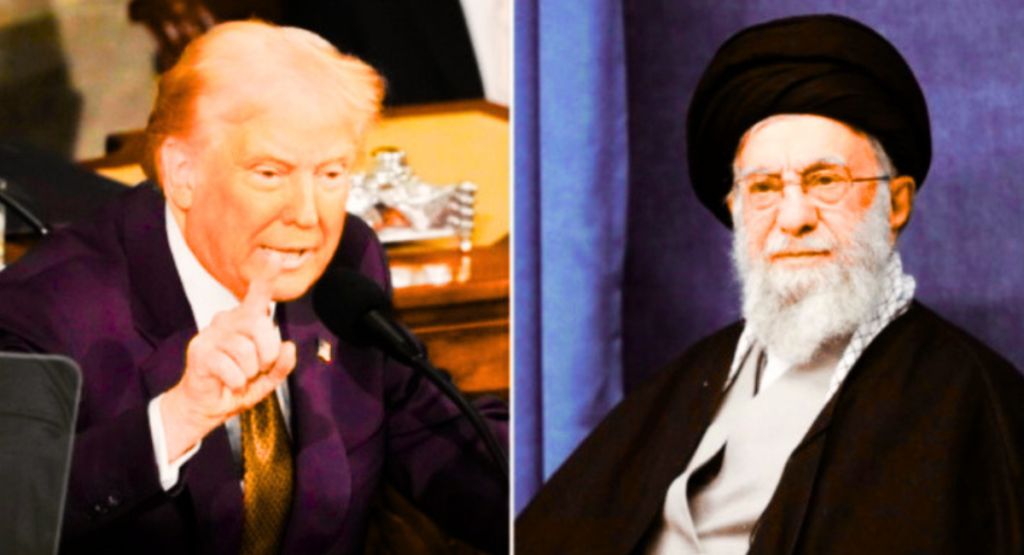
The latest developments emerged as reports indicated that Iran might suspend diplomatic discussions with the United States. The situation became more complicated due to ongoing military operations involving Israel and Hezbollah in Lebanon. These events created additional uncertainty around peace efforts. Analysts believe that regional conflicts often influence diplomatic channels, making negotiations more difficult when security concerns increase across multiple fronts.
Lebanon Conflict Adds Risk
The conflict in Lebanon has become an important factor affecting diplomatic discussions. Trump said he planned to ask Israeli Prime Minister Benjamin Netanyahu about the situation. Military tensions between Israel and Hezbollah continue to create instability. Many international observers fear that further escalation could expand the crisis beyond Lebanon and increase pressure on countries attempting to maintain diplomatic communication throughout the Middle East.
Oil Markets React Quickly
Financial markets responded immediately to reports surrounding the negotiations. Oil prices rose sharply as investors worried about possible disruptions to global energy supplies. The Trump Iran negotiations story attracted attention because uncertainty in the Gulf region often influences fuel prices worldwide. Market experts noted that traders reacted to fears that shipping routes and energy exports could face additional risks if tensions continue to rise.
Hormuz Strait Remains Critical
The Strait of Hormuz remains one of the world’s most important maritime routes. A significant portion of global oil exports passes through this narrow waterway. Reports suggesting potential restrictions created concern among energy producers and importing nations. Any disruption could affect supply chains and transportation costs. Governments and businesses are monitoring developments carefully because stability in the strait remains essential for global economic activity.
Nuclear Issue Stays Central
A major reason behind the diplomatic dispute remains Iran’s nuclear program. Trump emphasized that preventing Iran from obtaining a nuclear weapon remains a top priority. The Trump Iran negotiations debate continues to focus heavily on security concerns rather than economic issues alone. American officials have repeatedly stated that nuclear restrictions are necessary to maintain regional balance and reduce the possibility of future military confrontation.
Energy Prices Under Watch
Many consumers are concerned about the impact of geopolitical tensions on fuel costs. Trump argued thatoil prices would eventually decline despite recent increases. He expressed confidence that energy markets would stabilize in the near future. However, economists note that uncertainty often creates volatility. The relationship between political developments and commodity prices means that investors remain cautious while monitoring every new statement and policy decision.
NATO Role Sparks Debate
Trump Iran negotiations affecting oil markets and regional stability also discussed the possible role of NATO allies in addressing regional challenges. He suggested that European countries depend more heavily on energy routes passing through the Middle East. This statement sparked debate among policy experts regarding burden sharing and international cooperation. The Trump Iran negotiations situation highlights how global security concerns often require coordination between multiple countries rather than unilateral action alone.
Diplomatic Future Uncertain
Despite strong comments, the possibility of renewed discussions cannot be ruled out. Diplomatic relationships often experience periods of tension before progress is achieved. Some analysts believe both sides may eventually return to the negotiating table because continued communication can help reduce misunderstandings. Others argue that current disagreements could delay meaningful engagement for an extended period if trust continues to weaken between the parties involved.
Global Impact Expands
The consequences of the Trump Iran negotiations extend beyond the United States and Iran. Energy markets, regional security, international trade, and diplomatic alliances could all be influenced by future developments. Governments across Europe, Asia, and the Middle East are paying close attention to the situation. Their economic and strategic interests are connected to stability in a region that remains critical to global affairs.
Conclusion
The future of Trump Iran negotiations remains uncertain as political tensions, security concerns, and economic interests continue to collide. Trump’s latest remarks have intensified debate about the effectiveness of diplomacy and the possibility of alternative approaches. While markets and governments remain alert, the coming weeks may determine whether dialogue resumes or whether regional tensions create new challenges for international stability and global energy security.
FAQ
What are Trump Iran negotiations?
Trump Iran negotiations refer to diplomatic discussions between the United States and Iran regarding regional security, sanctions, and nuclear concerns.
Why did Trump say he does not care if talks end?
Trump stated that the negotiations had become slow and unproductive, expressing frustration with the pace of progress.
How do these negotiations affect oil prices?
Any uncertainty involving Iran and the Strait of Hormuz can influence global oil supply expectations and lead to price fluctuations.
What role does the Strait of Hormuz play in the crisis?
The Strait of Hormuz is a critical shipping route for global oil exports, making it strategically important for international energy markets.
Can the United States and Iran resume talks later?
Yes. Diplomatic negotiations often restart even after periods of tension if both sides see benefits in continued dialogue.
Why is Iran’s nuclear program a major issue?
The United States and its allies consider Iran’s nuclear activities a significant security concern and a central topic in diplomatic discussions.

I am the founder and writer at Duniya Time.com, a news website focused on national and international news, social issues, and history. With a background in Islamic History, I write research-based articles in a clear and honest style. My goal is to share accurate information, thoughtful analysis, and meaningful stories that help readers stay informed and understand the world better.