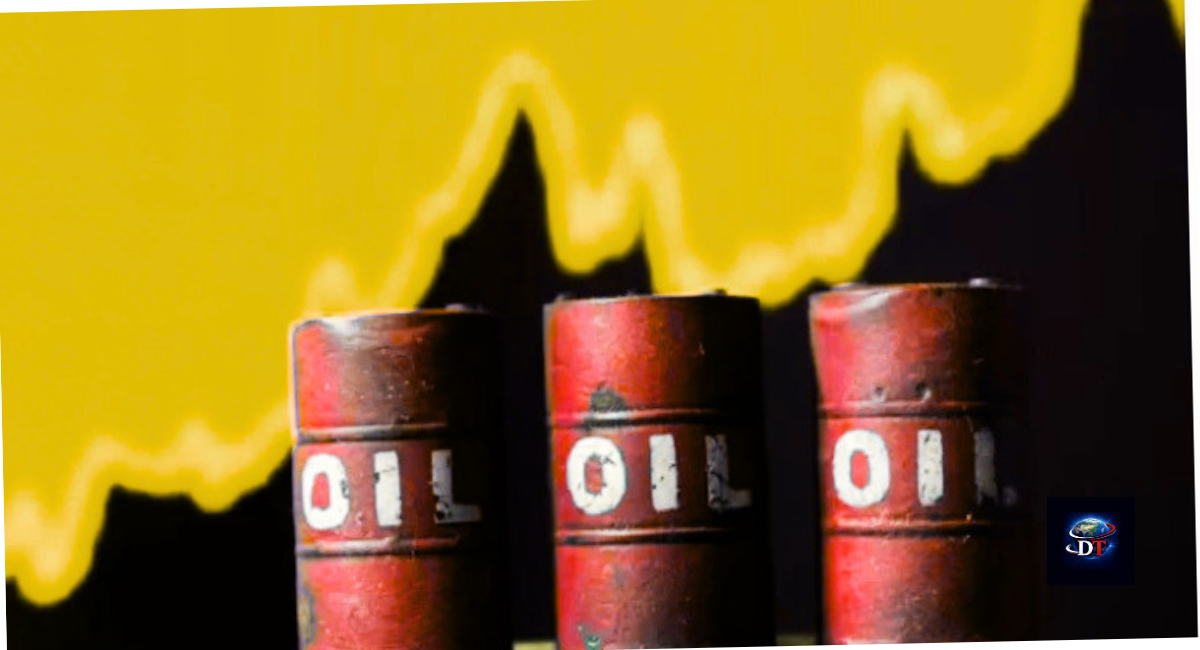
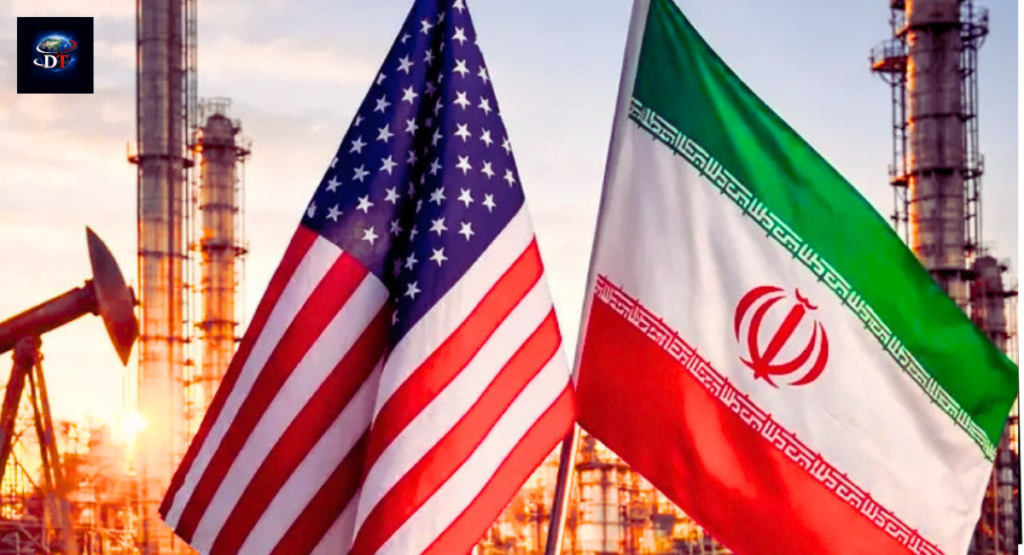
The Iran Blockade Stalemate is raising new concerns across global markets as tensions remain unresolved between the United States and Iran. Oil prices have climbed, shipping routes face pressure, and diplomatic talks remain uncertain. The Strait of Hormuz remains central to the crisis, while regional actors including Turkey and Lebanon warn the conflict may spread wider. The current deadlock is not only military but also economic, affecting energy security, trade routes, and geopolitical stability.
Table of Contents
Why Strait of Hormuz Matters
The Strait of Hormuz is one of the world’s most important shipping lanes. A large share of global oil passes through this route. During the Iran Blockade Stalemate, threats to keep the passage restricted have pushed markets into uncertainty. Even limited disruption affects fuel prices and global supply chains.
Oil Markets React to Crisis
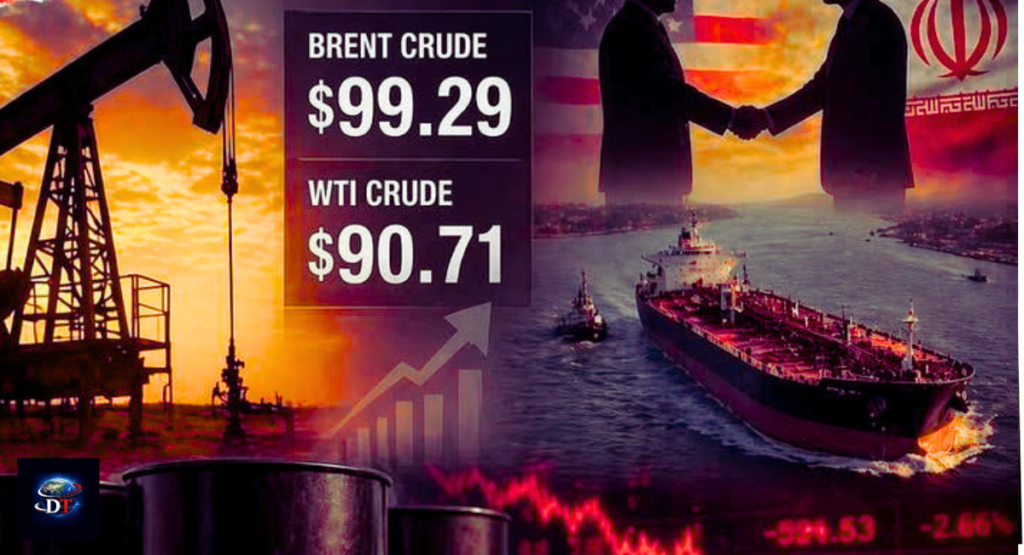
Energy traders have responded sharply to the Iran Blockade Stalemate. Brent and WTI crude prices moved higher as fears of prolonged supply disruption grew. Investors remain cautious because any naval escalation could push prices further upward. Rising oil costs may also increase inflation risks worldwide.
US Iran Talks Face Delays
Diplomatic efforts continue, but progress remains slow. Officials have discussed extending ceasefire arrangements, yet no clear breakthrough has emerged. The Iran Blockade Stalemate has made negotiations difficult because both sides remain firm on security demands. This uncertainty is extending the political deadlock.
Europe Fears Economic Impact
European leaders are watching the crisis closely. Turkish President Recep Tayyip Erdoğan warned the conflict could weaken Europe economically. Higher energy costs, fuel shortages, and trade uncertainty are growing concerns. Many governments are now preparing contingency plans if instability continues.
Shipping Routes Under Pressure
Commercial shipping companies are reassessing risks in Gulf waters. Some vessels have reportedly altered routes because of security fears. During the Iran Blockade Stalemate, maritime insurance costs have also risen. These pressures could increase costs for goods moving through international markets.
Lebanon Truce Talks Continue
Regional diplomacy is also focused on Lebanon, where ceasefire discussions remain active. Officials are seeking an extension to prevent wider escalation. While separate from the naval dispute, these talks are linked to broader regional stability. Any breakdown could add pressure to an already fragile environment.
Airlines Face Rising Fuel Costs
The impact of the crisis is reaching aviation as well. Some airlines have raised fares in response to expensive jet fuel. Industry groups are warning that prolonged volatility could affect routes and travel demand. This shows how geopolitical tensions can quickly affect ordinary consumers.
Military Shifts Raise Questions
Recent changes in US military leadership have added another layer of uncertainty. Analysts are examining whether these shifts may influence policy decisions. During the Iran Blockade Stalemate, even leadership changes can affect strategic messaging and market confidence.
Global Trade Faces New Risks
Trade flows depend heavily on stable shipping corridors. If tensions disrupt maritime movement for longer, importers and exporters may face delays and higher costs. Businesses tied to energy, transport, and manufacturing are closely watching the situation for possible long-term consequences.
Can Diplomacy End the Deadlock?
Despite sharp rhetoric, diplomacy remains the most realistic path forward. Mediation efforts involving regional players may help reduce tensions. Many analysts believe the Iran Blockade Stalemate could ease if confidence-building measures reopen negotiations and lower risks around the Strait of Hormuz.
Conclusion
The Iran Blockade Stalemate has moved beyond a regional dispute and now carries global consequences. Oil prices, shipping security, diplomacy, and economic confidence are all under pressure. As negotiations continue, the world is watching whether diplomacy can prevent deeper disruption. The outcome may shape energy markets and regional security for months ahead.
FAQ :
What is Iran Blockade Stalemate?
Iran Blockade Stalemate refers to the ongoing deadlock involving naval pressure, ceasefire disputes, and stalled diplomacy affecting regional stability.
Why is the Strait of Hormuz important?
The Strait of Hormuz is a major global oil route, and disruption there can affect fuel prices and world trade.
How does Iran Blockade Stalemate affect oil prices?
The crisis creates fears of supply disruptions, which often pushes oil prices higher.
Can diplomacy resolve the Iran Blockade Stalemate?
Diplomatic talks and mediation efforts may reduce tensions, but progress remains uncertain.
How does this crisis impact global markets?
It can affect shipping, aviation costs, inflation concerns, and broader economic stability.

I am the founder and writer at Duniya Time.com, a news website focused on national and international news, social issues, and history. With a background in Islamic History, I write research-based articles in a clear and honest style. My goal is to share accurate information, thoughtful analysis, and meaningful stories that help readers stay informed and understand the world better.