
Strait of Hormuz opening news has quickly changed the global energy mood. Oil prices dropped after Iran signaled safe passage, yet risks remain as markets wait for real stability and verified security on the route.
Table of Contents
Global Oil Market Reaction
The announcement triggered an immediate response across global markets. Brent Crude dropped sharply from recent highs, reflecting relief among traders. Investors interpreted the move as a temporary easing of supply fears. Stock markets in the US and Europe also moved upward, showing renewed confidence.
Why Strait Matters So Much
The Strait of Hormuz is one of the most critical shipping routes in the world. Nearly one fifth of global oil supply passes through this narrow waterway. Any disruption here directly impacts fuel prices, transport costs, and overall economic stability worldwide.
Ceasefire Impact On Supply
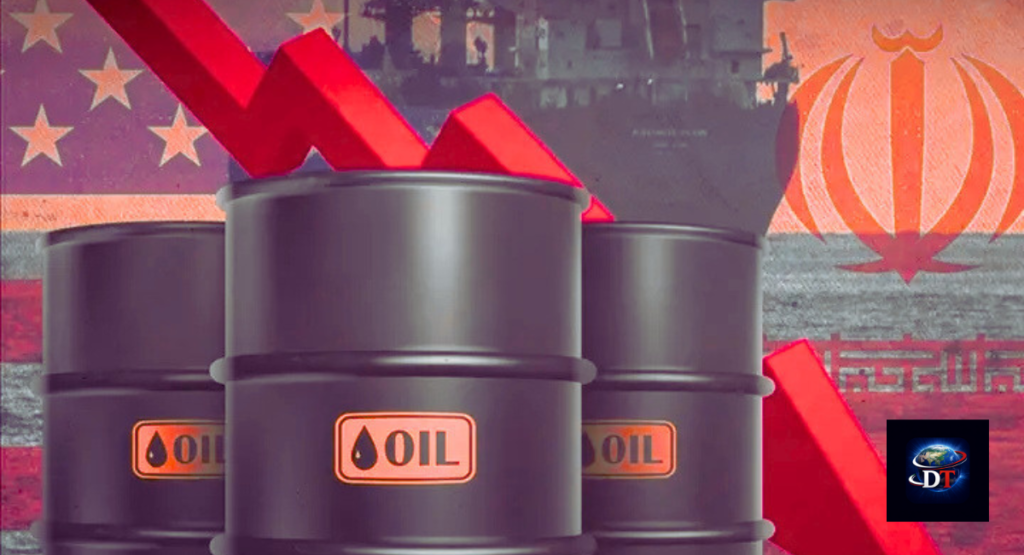
The ceasefire created a short window for oil movement. With the Strait of Hormuz open, tankers now have a limited chance to move stored oil. However, experts say this short-term access may not fully restore supply chains immediately.
Shipping Risks Still Present
Despite positive signals, shipping companies remain cautious. Reports suggest possible threats like sea mines are still unclear. Many operators are delaying entry until safety conditions are fully confirmed. This hesitation could slow the return to normal trade flow.
Market Confidence Slowly Builds
Financial markets reacted positively, but confidence is still fragile. While the Strait of Hormuz open announcement reduced panic, investors understand the situation can change quickly. Temporary peace does not guarantee long-term stability.
Fuel Prices And Consumers
Lower oil prices can bring some relief to consumers. Petrol and diesel costs had surged due to supply disruption. Now, slight declines are being observed, though prices remain higher than pre-conflict levels. Full recovery may take time.
Impact On Global Supply Chain
The conflict disrupted more than just oil. Fertilizer shipments, essential for agriculture, were also affected. With the Strait of Hormuz open, supply chains may begin to recover, but delays mean food prices could stay elevated in the near term.
Political Signals And Strategy
The reopening announcement also carries political weight. It reflects strategic messaging during ceasefire negotiations. While leaders welcomed the move, military measures like blockades are still in place, showing that tensions have not fully ended.
Short Window For Tankers
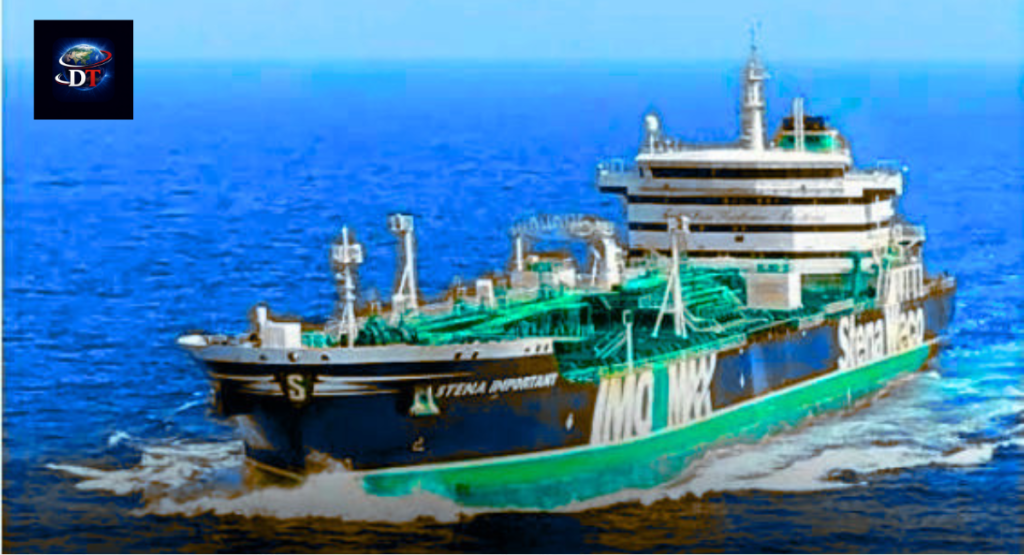
Experts highlight that the ceasefire period is limited. With the Strait of Hormuz open, ships must act quickly to transport goods. This narrow window means traffic may increase slightly but not return to normal levels just yet.
Long Term Economic Effects
Even if peace continues, economic effects will linger. Supply chains take months to stabilize. Businesses, airlines, and industries dependent on fuel will continue facing cost pressure despite the Strait of Hormuz open development.
Industry Response And Strategy
Shipping firms are taking a cautious approach. Safety remains the top priority. Many companies are monitoring updates rather than rushing operations. The Strait of Hormuz open status alone is not enough to restore full confidence in the region.
Conclusion
The Strait of Hormuz opening announcement offers hope but not certainty. Oil prices reacted quickly, yet risks, delays, and cautious industry response show recovery will take time before global energy markets fully stabilize.
FAQs
Why did oil prices drop after Strait of Hormuz open?
Oil prices dropped because the reopening reduced supply fears and improved market confidence.
Is Strait of Hormuz fully safe for ships now?
Not completely, as shipping companies are still verifying security risks in the region.
How important is Strait of Hormuz for global oil?
It carries about 20% of the world’s oil supply, making it a critical energy route.
Will fuel prices decrease globally now?
Prices may ease slightly, but full reduction depends on long-term stability.
How long will the ceasefire impact oil markets?
The impact is temporary and depends on whether peace continues beyond the ceasefire period.

I am the founder and writer at Duniya Time.com, a news website focused on national and international news, social issues, and history. With a background in Islamic History, I write research-based articles in a clear and honest style. My goal is to share accurate information, thoughtful analysis, and meaningful stories that help readers stay informed and understand the world better.