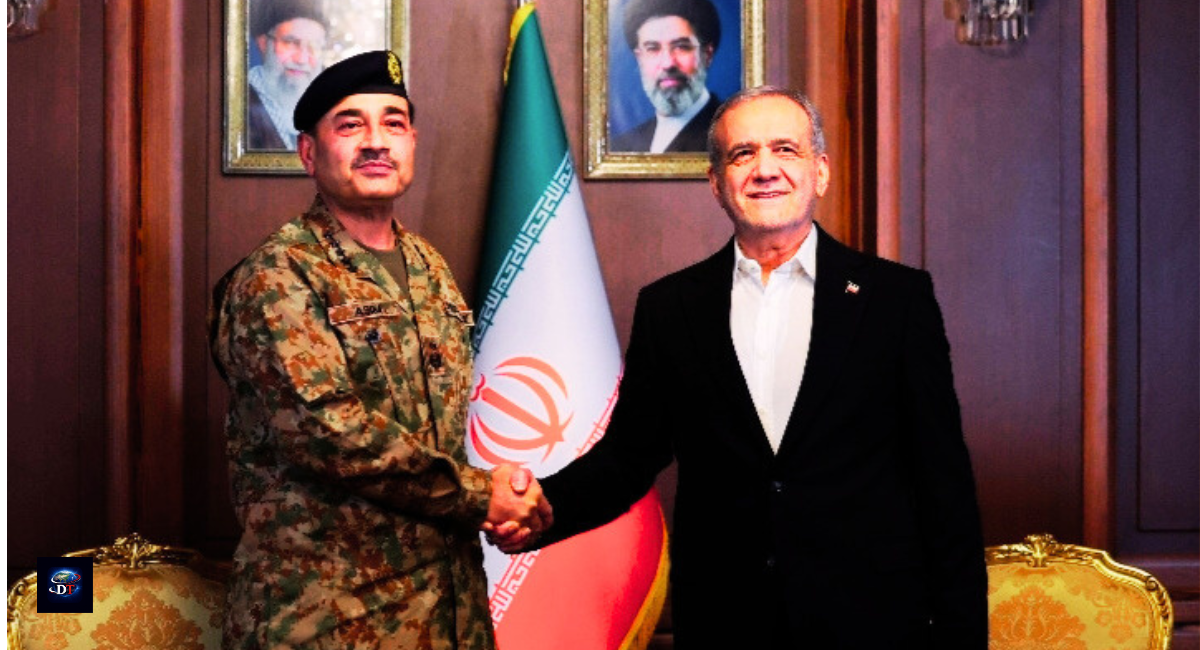
Asim Munir Iran visit has drawn global attention as Pakistan steps into a serious diplomatic role. The army chief’s arrival in Tehran comes at a critical moment when tensions between the United States and Iran remain high. This visit is not just symbolic, it reflects Pakistan’s active effort to reduce conflict and promote dialogue in a region facing uncertainty and economic pressure.
Table of Contents
Diplomatic Role Grows
Pakistan is quietly positioning itself as a bridge between two powerful rivals. The Asim Munir Iran visit shows that Islamabad is no longer staying on the sidelines. Instead, it is directly engaging both Washington and Tehran. This approach strengthens Pakistan’s image as a responsible regional player. It also signals trust from both sides, which is not easy to achieve in such a sensitive conflict.
Warm Welcome in Tehran
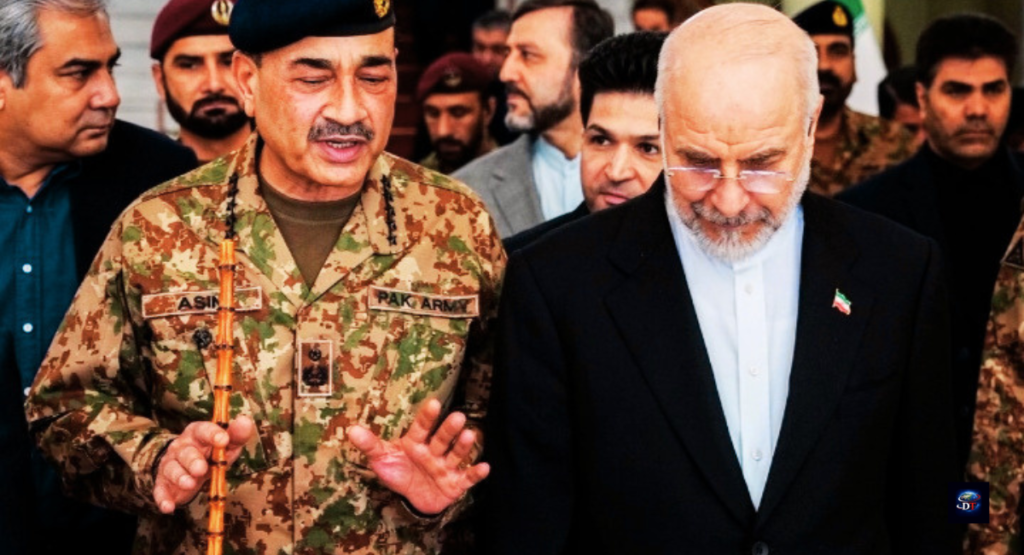
The reception in Tehran matters more than it looks. Iranian officials, including the interior minister, welcomed the delegation warmly. This shows that Iran is open to Pakistan’s role. The Asim Munir Iran visit is being treated as a serious diplomatic effort, not just a routine trip. Such gestures help build confidence, which is essential for any meaningful negotiation process.
US Acknowledges Efforts
One of the most important signals came from the United States. Officials openly appreciated Pakistan’s mediation efforts. This adds weight to the Asim Munir Iran visit. When both sides publicly accept a mediator, chances of progress increase. It also puts Pakistan in a unique position where it can influence outcomes without direct involvement in the conflict itself.
Talks Still Face Hurdles
Despite progress, the road is far from smooth. Issues like Iran’s nuclear program, sanctions, and regional influence remain major sticking points. The Asim Munir Iran visit is happening in this complex environment. Even small disagreements can delay talks. Still, continued communication is better than silence, and Pakistan seems focused on keeping that dialogue alive.
Strait of Hormuz Impact
The conflict has already affected global trade, especially oil supply routes. The Strait of Hormuz is a key factor in this crisis. The Asim Munir Iran visit indirectly ties into this issue because any agreement could reopen stable shipping routes. This would ease global fuel prices and reduce economic pressure worldwide, including in Pakistan.
Regional Peace Stakes
This situation is not just about two countries. The entire Middle East is affected. Ongoing tensions risk pulling in more nations. The Asim Munir Iran visit highlights Pakistan’s understanding of these wider consequences. Stability in the region means better trade, safer borders, and fewer humanitarian crises. That is why this effort carries long-term importance.
Previous Talks Context
Earlier negotiations between the US and Iran did not fail, but they did not succeed either. They ended without a clear agreement. The Asim Munir Iran visit builds on those earlier efforts. It aims to restart momentum that was lost. Sometimes diplomacy is about timing, and this visit comes when both sides are under pressure to find a solution.
Pressure From All Sides
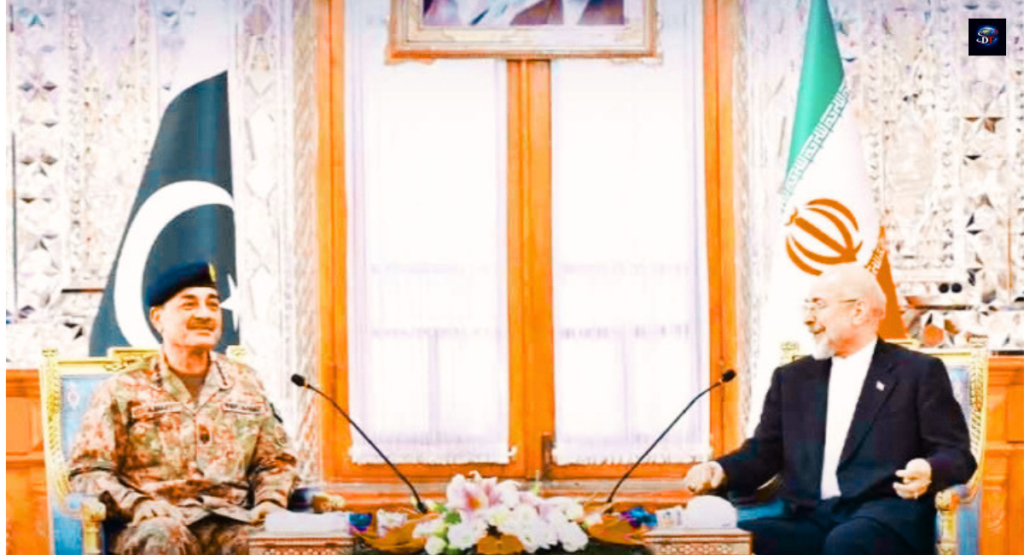
Both Iran and the US are facing internal and external pressure. Economic challenges, political expectations, and security concerns are pushing them toward talks. The Asim Munir Iran visit happens under this pressure. That can be a good thing, because urgency often leads to compromise. However, it can also make negotiations more sensitive and unpredictable.
Pakistan’s Strategic Gain
Pakistan is not just helping others, it also benefits from this role. Acting as a mediator improves its global standing. The Asim Munir Iran visit strengthens diplomatic ties with both countries. It also opens doors for economic and political cooperation in the future. Smart diplomacy often brings long-term rewards, even if results are not immediate.
Future of Negotiations
The next few weeks will be crucial. If talks move forward, this visit could be seen as a turning point. If not, it will still remain an important attempt at peace. The Asim Munir Iran visit shows that Pakistan is willing to take risks for regional stability. That alone is a significant shift in foreign policy approach.
Conclusion
Asim Munir Iran visit represents more than a diplomatic trip. It reflects Pakistan’s growing role in global conflict resolution and its effort to bring stability to a tense region. While challenges remain, continued engagement offers hope. If successful, this initiative could ease tensions, stabilize markets, and strengthen Pakistan’s position on the world stage in a meaningful way.
FAQ
What is the purpose of Asim Munir Iran visit?
The visit aims to support mediation efforts between the United States and Iran and promote regional peace.
Why is Pakistan involved in US-Iran talks?
Pakistan is acting as a neutral mediator due to its diplomatic relations with both countries.
What issues are being discussed during the visit?
Key topics include nuclear concerns, sanctions, regional security, and ceasefire negotiations.
How does this visit impact global stability?
It could help reduce tensions, stabilize oil routes, and improve global economic conditions.
Is this visit part of ongoing diplomacy?
Yes, it follows earlier meetings and reflects continued efforts to restart negotiations.
What role does the Strait of Hormuz play?
It is a key oil route affected by the conflict, making it central to peace discussions.
Will the visit lead to a final agreement?
While outcomes are uncertain, it is an important step toward renewed dialogue.

I am the founder and writer at Duniya Time.com, a news website focused on national and international news, social issues, and history. With a background in Islamic History, I write research-based articles in a clear and honest style. My goal is to share accurate information, thoughtful analysis, and meaningful stories that help readers stay informed and understand the world better.