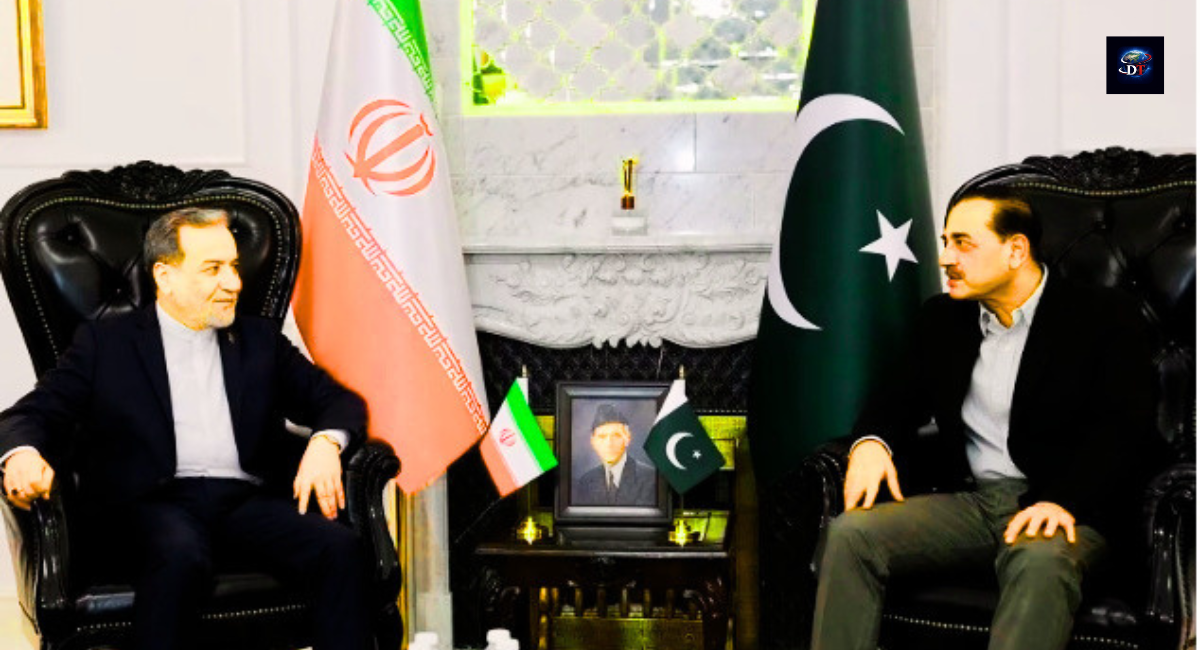
Pakistan mediation in Iran US talks has entered a tense phase after President Donald Trump canceled a planned visit by senior American advisers to Islamabad. The move raised fresh questions about whether diplomacy can still reduce pressure in a conflict shaped by nuclear concerns, maritime security, and regional power politics. Pakistan’s role as an intermediary has drawn attention because it remains one of the few states maintaining channels with both Washington and Tehran. As negotiations stall, Islamabad’s diplomatic balancing act is becoming more significant for regional stability.
Table of Contents
Pakistan Mediation Role Expands in Crisis
Pakistan has moved beyond a passive observer and positioned itself as a diplomatic bridge. Officials have hosted indirect communication, relayed proposals, and encouraged confidence-building measures. This growing role reflects Pakistan’s attempt to strengthen regional relevance while reducing the risk of wider instability spilling across neighboring states.
Its mediation efforts also show how middle powers can shape outcomes when major powers remain divided. While direct breakthroughs remain limited, the process itself has kept dialogue open at critical moments.
Trump Cancels Islamabad Peace Mission
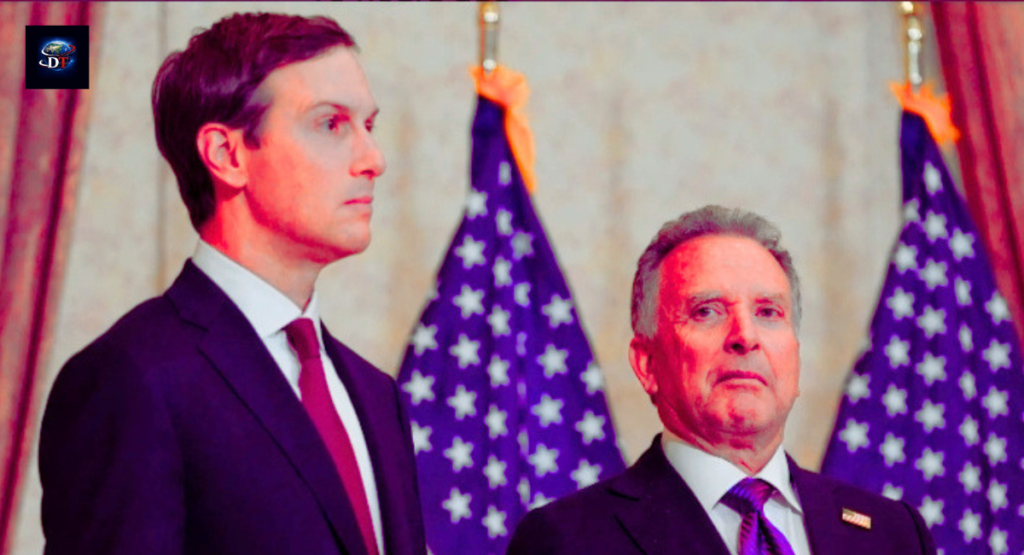
A major shift came when Trump halted the expected Pakistan visit by top advisers. Reports suggest disagreements over Iran’s peace proposal, nuclear conditions, and shipping restrictions contributed to the decision.
The cancellation signaled that trust remains fragile. It also raised concerns over whether momentum built through Pakistan mediation in Iran US talks can survive political hardening in Washington and Tehran. Diplomatic pauses often create uncertainty, but they can also trigger revised offers behind closed doors.
Iran Pushes Back on Naval Pressure
Iranian officials have continued signaling openness to a workable framework, yet they insist sovereignty concerns cannot be compromised. That makes any mediated formula harder to structure.
Strait of Hormuz Drives Global Stakes
Iran has linked renewed diplomacy to the lifting of U.S. naval restrictions affecting access to its ports. Tehran argues negotiations cannot advance under coercive conditions. This position adds another layer to already difficult discussions over uranium enrichment and regional security.
The Strait of Hormuz remains central to the dispute. Any disruption there affects oil shipments, shipping insurance costs, and wider financial markets. Because global energy security is tied to the waterway, even limited tensions quickly become international concerns.
This is where Pakistan mediation in Iran US talks carries strategic value. If mediation lowers maritime confrontation risks, it could influence not just diplomacy but energy stability worldwide.
Pakistan Seeks Diplomatic Credibility Gains
For Islamabad, mediation carries both opportunity and pressure. Success could enhance its diplomatic profile and strengthen its image as a constructive regional actor. Failure, however, could expose limits in influence.
Pakistan’s leadership appears focused on maintaining communication even when direct talks slow. This approach reflects a belief that preserving channels matters as much as immediate agreements. Quiet diplomacy often operates through persistence rather than dramatic announcements.
Nuclear Disputes Remain Core Obstacle
Despite wider headlines, the central issue remains Iran’s nuclear program. Disagreements continue over enrichment levels, stockpiles, and oversight mechanisms. These questions have complicated negotiations for years and remain unresolved.
Any settlement linked to Pakistan mediation in Iran US talks will likely depend on whether technical nuclear disagreements can be separated from military and economic disputes. Without that, broader peace formulas may struggle.
Regional Powers Watch Talks Closely
Neighboring countries are closely monitoring the diplomatic track. Gulf states, China, and European governments all have stakes in whether talks move forward. Many prefer mediation over escalation because regional conflict carries economic and security consequences.
Pakistan’s involvement has attracted attention partly because it offers a channel outside traditional negotiation formats. That flexibility could prove useful if formal diplomatic routes remain blocked.
Lebanon Front Adds Pressure Points
The fragile Lebanon truce adds another complication. Continued exchanges involving Hezbollah and Israel risk undermining broader diplomatic calculations. If secondary fronts intensify, they may reduce political space for compromise elsewhere.
This makes Pakistan mediation in Iran US talks part of a wider strategic puzzle rather than a stand-alone peace effort. Events in one arena can quickly reshape choices in another.
Can Backchannel Talks Revive Momentum
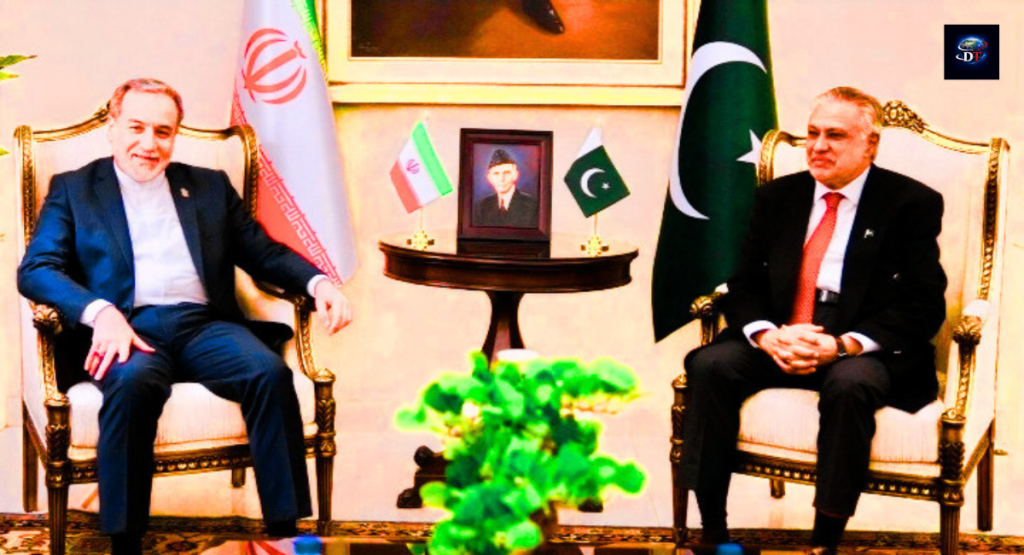
Even when official visits collapse, backchannel diplomacy often continues. Reports of revised proposals and renewed contacts suggest discussions may not be fully frozen. Informal exchanges sometimes produce groundwork later presented as formal breakthroughs.
Pakistan’s role could remain relevant here. Mediators often matter most when public negotiations appear stalled. Quiet communication can prevent complete breakdowns.
Future of Pakistan Mediation Strategy
The next phase may depend on whether both sides view mediation as useful rather than symbolic. If Washington sees strategic value in indirect dialogue and Tehran accepts incremental steps, progress remains possible.
Supporters argue Pakistan mediation in Iran US talks could evolve from message carrying into a structured negotiation platform. Critics remain skeptical, citing unresolved strategic distrust. Yet even limited mediation can reduce miscalculation.
What This Means for Global Diplomacy
This episode highlights a larger trend where regional actors increasingly shape major geopolitical negotiations. Traditional great-power diplomacy is no longer the only path. States with balanced relationships can sometimes open doors others cannot.
For policymakers, the lesson is clear. Mediation may not deliver instant agreements, but it can create breathing space, lower escalation risks, and preserve pathways toward future settlement.
Conclusion
Pakistan mediation in Iran US talks now stands at a difficult but important crossroads. Trump’s canceled mission exposed deep disagreements, yet it did not end diplomacy. Pakistan remains positioned as a channel for communication at a time when direct trust is weak. The outcome will depend on nuclear disputes, maritime tensions, and regional calculations, but mediation still offers one of the few realistic alternatives to deeper confrontation.
FAQ :
What is Pakistan mediation in Iran US talks?
Pakistan mediation in Iran US talks refers to Islamabad’s role in helping communication between the United States and Iran to support peace efforts and reduce regional tensions.
Why were the Pakistan peace talks disrupted?
The talks faced disruption because of disagreements over proposals, nuclear concerns, and pressure linked to maritime security and sanctions.
Why is Pakistan important in these negotiations?
Pakistan maintains diplomatic channels with both sides, which makes it a useful intermediary during periods of mistrust and stalled direct talks.
How does the Strait of Hormuz affect these talks?
Tensions in the Strait of Hormuz raise concerns over global oil supply and security, making it a major issue connected to diplomatic negotiations.
Can backchannel diplomacy still continue?
Yes, informal diplomatic contacts can continue even when official meetings are delayed, and they often help keep negotiations alive.
What are the main obstacles to a peace deal?
Key obstacles include nuclear disputes, regional security concerns, sanctions pressure, and lack of mutual trust between both sides.
Could Pakistan mediation reduce regional conflict?
If diplomacy moves forward, Pakistan’s mediation could help lower escalation risks and support a path toward broader stability.

I am the founder and writer at Duniya Time.com, a news website focused on national and international news, social issues, and history. With a background in Islamic History, I write research-based articles in a clear and honest style. My goal is to share accurate information, thoughtful analysis, and meaningful stories that help readers stay informed and understand the world better.