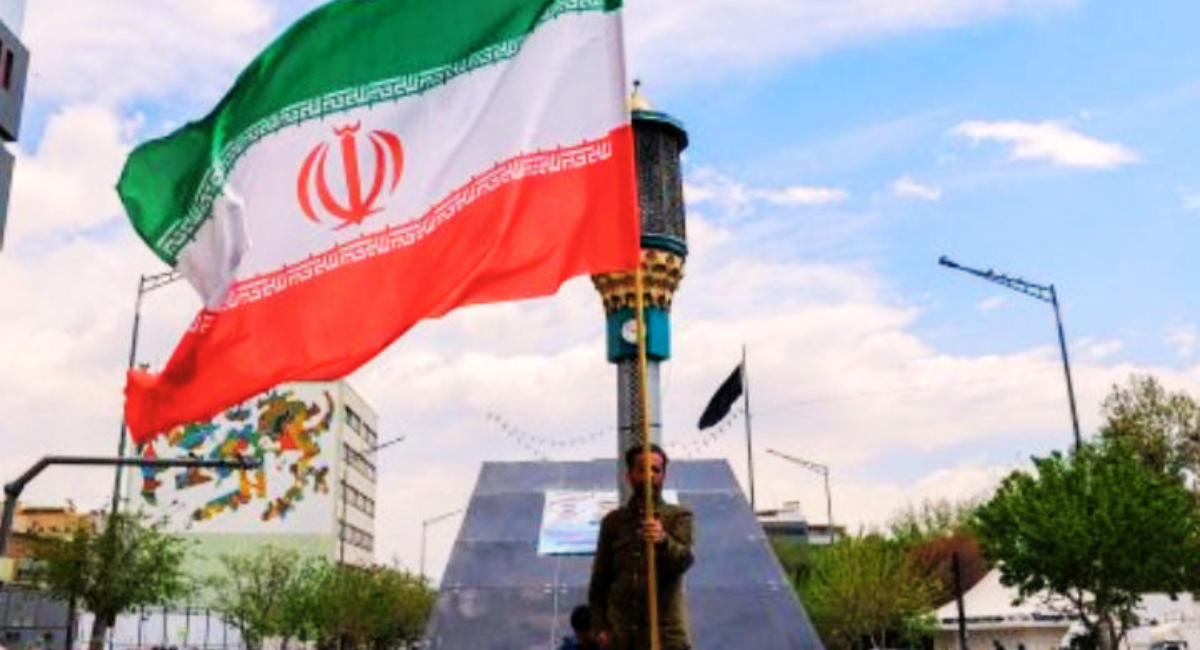
The US-Iran strikes crisis has entered a dangerous new phase after fresh military attacks and growing tensions across the Middle East. Recent developments have raised concerns about regional security, global energy supplies, and the future of diplomatic efforts. As both sides exchange military actions, several neighboring countries are also feeling the impact of the conflict.
Table of Contents
US-Iran Strikes Trigger New Regional Security Concerns
The latest military operations have increased fears of wider instability across the Gulf region. American forces carried out another round of airstrikes targeting Iranian military infrastructure, while Tehran responded with attacks aimed at locations linked to United States interests. These developments have pushed regional governments to strengthen security measures and monitor potential threats. Experts believe continued military exchanges could increase the risk of unintended escalation. Several countries are urging restraint and encouraging diplomatic engagement. The growing tension has also affected civilian activities, transportation networks, and economic confidence throughout the region, creating uncertainty for governments and businesses alike.
Iranian Response Expands Beyond Traditional Battle Areas
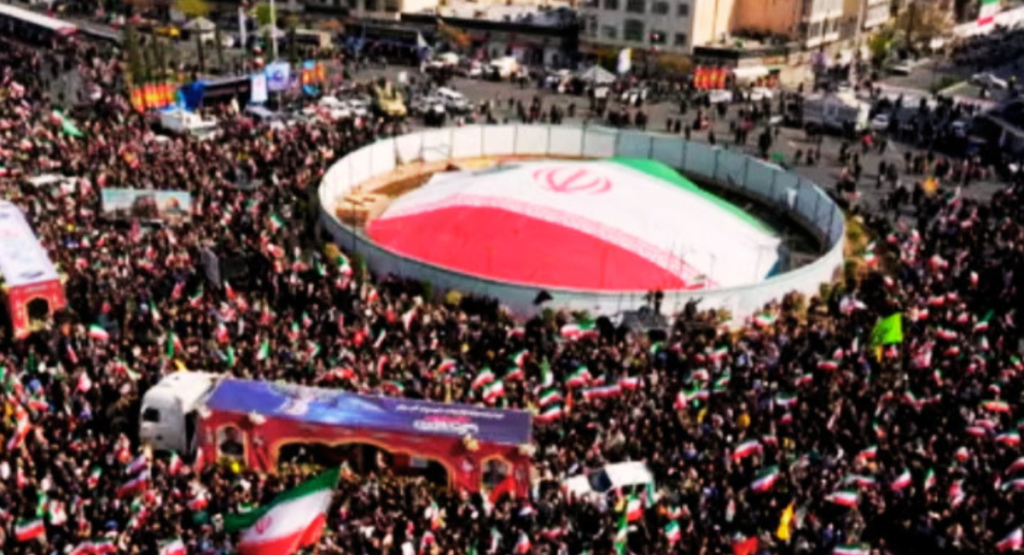
Iran’s reaction to the latest attacks demonstrated its willingness to broaden the geographical scope of the conflict. Reports indicate that missiles and drones were launched toward locations connected to American military interests in Bahrain, Kuwait, and Jordan. Regional defense systems were activated to intercept incoming threats and protect civilian populations. Security officials continue to assess the impact of these operations while maintaining heightened readiness levels. The expansion of military activity beyond direct confrontation zones has increased concerns among neighboring states. Many regional leaders fear that additional escalation could threaten economic stability and public safety across the broader Middle East.
Kuwait Airspace Disruption Highlights Growing Conflict Risks
One of the immediate consequences of the recent escalation was the temporary closure of Kuwait’s airspace. Aviation authorities suspended normal operations as defense systems responded to potential aerial threats. Several flights were redirected to alternative destinations while officials worked to ensure passenger safety. Although air traffic later resumed, the disruption highlighted how quickly military tensions can affect civilian transportation. Airlines operating in the region remain cautious and continue monitoring security conditions. Aviation experts note that prolonged instability could increase operational costs and affect travel schedules. The incident also demonstrated the vulnerability of key transportation networks during periods of heightened conflict.
Jordan Strengthens Defenses Against Incoming Missile Threats
Jordanian authorities reported the interception of multiple missiles traveling through their airspace. Military officials stated that defense systems successfully neutralized incoming threats before they could cause significant damage. Falling debris was reported in some areas, but authorities confirmed that no major casualties or property losses occurred. The incident underscored Jordan’s strategic position within the region and its exposure to developments involving neighboring countries. Security agencies remain alert as military activity continues. Government leaders have emphasized the importance of protecting civilians while supporting efforts aimed at reducing tensions and encouraging peaceful dialogue between the opposing parties.
Bahrain Faces Direct Impact From Regional Military Activity
Bahrain also experienced direct consequences from the recent escalation. Air defense systems were activated after reports of incoming drones linked to Iranian operations. Local authorities stated that debris from intercepted aerial objects caused limited damage in some residential areas. Reports indicated that a young girl suffered injuries from falling fragments. Emergency teams responded quickly and assessed affected locations. The incident has increased concerns about civilian safety in countries hosting strategic military facilities. Bahrain’s leadership continues coordinating with international partners while strengthening security precautions. Residents have been advised to remain alert and follow official guidance during heightened security periods.
Global Oil Markets React To Rising Middle East Tensions
Energy markets closely followed developments as military activity intensified across the region. Oil prices increased significantly amid fears that instability could affect shipping routes and energy exports. The Strait of Hormuz remains particularly important because a large percentage of global oil supplies pass through the waterway. Market analysts warn that further disruptions could increase fuel costs and impact international trade. Investors are paying close attention to diplomatic developments and military movements. The situation demonstrates how regional conflicts can quickly influence the global economy. Businesses and governments worldwide are preparing contingency plans to address potential market volatility.
Diplomatic Efforts Continue Despite Escalating Military Actions
While military operations dominate headlines, diplomatic discussions remain active behind the scenes. Several countries are urging both Washington and Tehran to return to negotiations and avoid further escalation. International organizations continue emphasizing the importance of dialogue and peaceful conflict resolution. Diplomatic representatives have expressed concern that continued attacks could undermine existing ceasefire understandings and reduce opportunities for meaningful progress. Governments with strong regional interests are working to encourage communication channels between both sides. Although challenges remain significant, many observers believe diplomacy offers the most realistic path toward long-term stability and reduced tensions throughout the region.
Pakistan Calls For Dialogue And Peaceful Negotiations
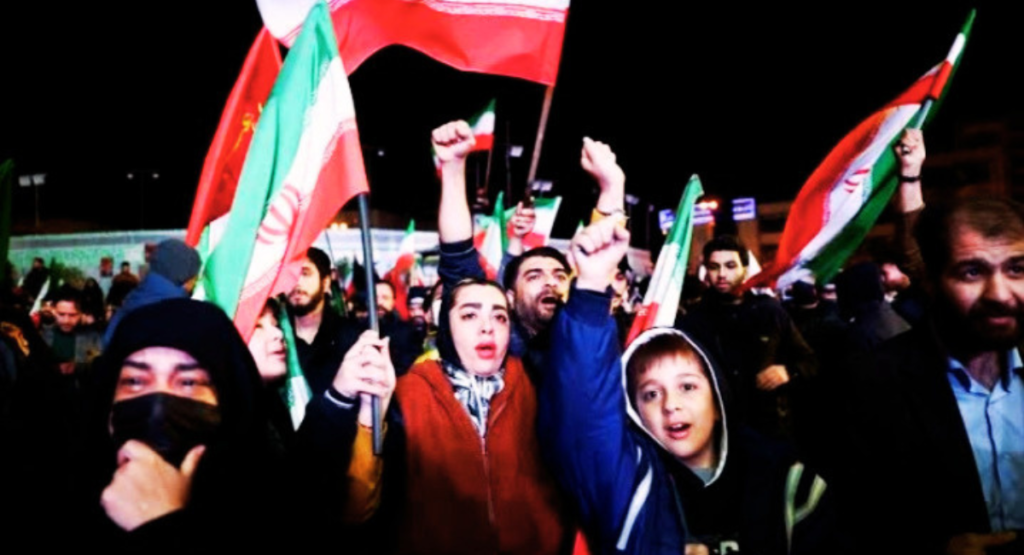
Pakistan has reiterated its support for diplomatic engagement and peaceful conflict resolution. Government officials have expressed concern regarding recent developments and urged all parties to respect ceasefire commitments. Pakistani leaders continue advocating dialogue as the primary method for addressing disputes and reducing regional instability. The country’s diplomatic efforts reflect broader international concerns about the consequences of prolonged conflict. Officials believe constructive negotiations remain essential for preventing additional military escalation. Pakistan’s position aligns with calls from several nations seeking a balanced approach that prioritizes regional peace, economic stability, and the protection of civilian populations affected by ongoing tensions.
International Community Warns Against Further Escalation
Several countries have issued statements expressing concern about increasing tensions and security threats. Governments across Europe, North America, and other regions have called for restraint while condemning activities that threaten civilian safety and international stability. Officials argue that continued confrontation risks expanding the conflict beyond its current boundaries. Security experts emphasize the importance of maintaining diplomatic channels and avoiding actions that could trigger broader military responses. International cooperation remains essential for managing the crisis and preventing additional instability. Many world leaders continue encouraging all parties to pursue negotiations and prioritize peaceful solutions over military escalation.
Future Outlook Remains Uncertain Across The Middle East
The coming weeks will likely determine whether tensions continue rising or diplomatic efforts gain momentum. Military exchanges have increased uncertainty, while political leaders face growing pressure to protect national interests and maintain regional stability. Analysts remain divided regarding the likelihood of a negotiated breakthrough. Some believe continued pressure may encourage renewed talks, while others fear additional confrontation. Economic concerns, security risks, and humanitarian considerations will influence future decisions. Regional governments, international organizations, and global markets will continue monitoring developments closely. The outcome of this crisis could shape Middle Eastern security dynamics and international relations for years ahead.
Conclusion
The US-Iran strikes crisis remains one of the most significant geopolitical challenges facing the world today. Military actions, regional security concerns, and economic uncertainty continue to influence developments. While tensions remain high, diplomatic engagement offers the strongest opportunity to reduce risks and promote lasting stability across the Middle East.
FAQS
What are the latest developments in the US-Iran Strikes crisis?
Recent events include new US airstrikes on Iranian targets and Iranian responses involving missile and drone attacks in the region.
Why is the Strait of Hormuz important in this conflict?
The Strait of Hormuz is a critical route for global oil shipments, making it strategically important for international energy markets.
How have neighboring countries been affected?
Countries such as Bahrain, Kuwait, and Jordan have activated defense systems and increased security measures due to regional threats.
What impact has the conflict had on oil prices?
Rising tensions have pushed oil prices higher because investors fear potential disruptions to energy supplies.
.
What is Pakistan’s position on the crisis?
Pakistan supports diplomacy and dialogue, encouraging peaceful negotiations to reduce tensions and restore stability.
Can diplomatic talks still resolve the conflict?
Many international observers believe diplomacy remains the most effective way to prevent further escalation and achieve long-term peace.

I am the founder and writer at Duniya Time.com, a news website focused on national and international news, social issues, and history. With a background in Islamic History, I write research-based articles in a clear and honest style. My goal is to share accurate information, thoughtful analysis, and meaningful stories that help readers stay informed and understand the world better.