World Reacts to US Iran Ceasefire Deal as governments across the globe welcome a new agreement aimed at reducing tensions in the Middle East.
The memorandum extends the ceasefire for 60 days and opens the door for fresh diplomatic negotiations. It also includes plans to reopen the Strait of Hormuz and continue discussions on Iran’s nuclear programme.
While many countries praised the agreement, others stressed that its success will depend on full implementation and continued dialogue.
Table of Contents
World Reacts to US Iran Ceasefire Deal Across Middle East
The agreement was signed electronically by US President Donald Trump and Iranian President Masoud Pezeshkian. Pakistan played a key role in facilitating negotiations that led to the memorandum.
The deal extends the existing ceasefire and creates space for future talks. It also includes commitments related to regional security and nuclear issues.
Many governments described the agreement as a positive step toward reducing conflict after months of military tensions.
Iran Welcomes Deal Carefully
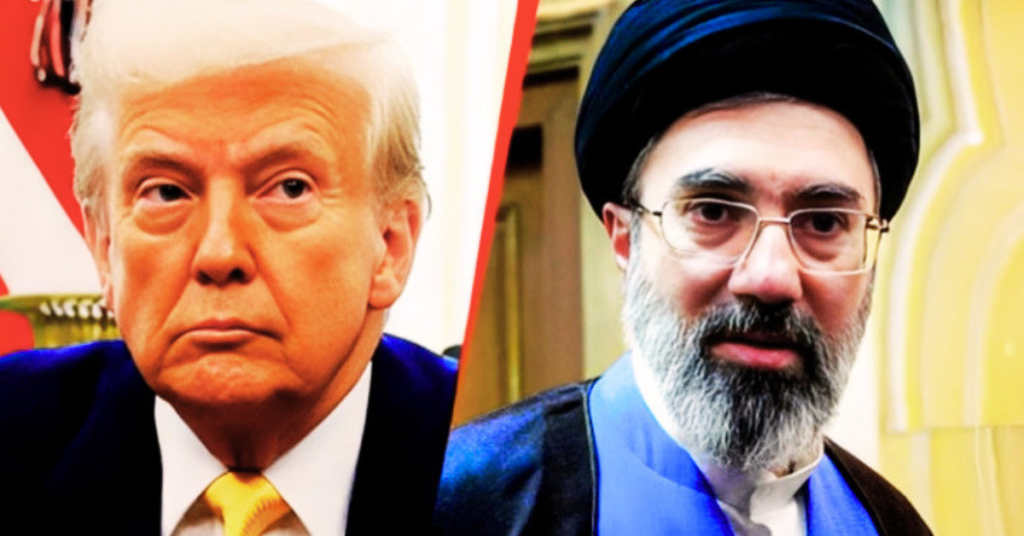
Iran accepted the memorandum but also made its expectations clear. Officials said the country would closely monitor whether the United States follows every commitment.
Iran confirmed that nuclear negotiations would continue during the sixty day period. However, officials ruled out discussions about the country’s missile programme.
The government also repeated that national interests and regional security remain its highest priorities.
United States Pushes Diplomacy
President Trump called the agreement an important opportunity to secure peace through negotiations. He urged every party involved to respect the ceasefire.
The White House believes diplomacy now has a chance to replace military confrontation. Officials expect all sides to avoid actions that could increase tensions.
World Reacts to US Iran Ceasefire Deal as American leaders continue promoting negotiations as the next step.
Pakistan Gains Global Recognition
Pakistan received international attention for helping both sides reach an understanding. Prime Minister Shehbaz Sharif described the memorandum as a historic diplomatic achievement.
The agreement highlighted Pakistan’s growing role in regional peace efforts. Several countries thanked Islamabad for supporting dialogue.
Many observers believe successful mediation has strengthened Pakistan’s diplomatic standing on the global stage.
Israel Responds With Caution
Israeli Prime Minister Benjamin Netanyahu welcomed continued cooperation with the United States while remaining cautious about future developments.
Israeli officials stressed that national security remains their highest concern despite the temporary ceasefire.
The government believes future negotiations must protect Israel’s long term strategic interests.
Global Powers Support Talks
China, Russia, France, Japan and Qatar welcomed the memorandum. Each country encouraged both sides to continue negotiations peacefully.
Most governments described diplomacy as the best path toward lasting regional stability.
World Reacts to US Iran Ceasefire Deal with broad international support for continued dialogue instead of military conflict.
IAEA Begins Technical Work
The International Atomic Energy Agency welcomed the agreement and announced that technical discussions would begin immediately.
The agency plans to work with both governments on practical steps related to Iran’s nuclear programme.
Officials believe careful monitoring will be essential during the implementation phase.
Strait of Hormuz Importance
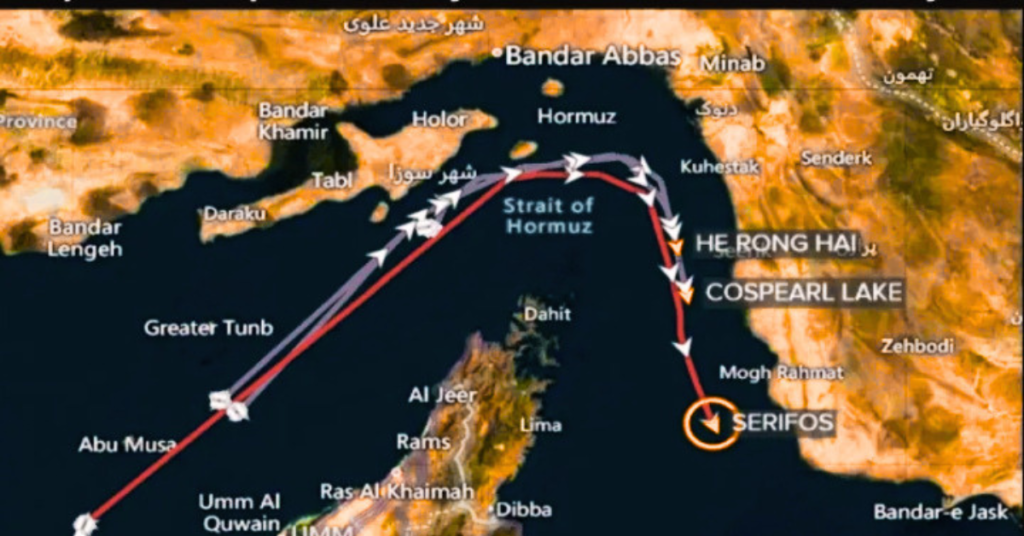
The agreement also focuses on reopening the Strait of Hormuz. This waterway remains one of the world’s most important energy routes.
Restoring normal shipping could improve global trade and reduce pressure on international energy markets.
World Reacts to US Iran Ceasefire Deal because the agreement may influence oil prices and regional economic stability.
Challenges Still Remain
Despite widespread support, many political leaders warned that implementation will be the real test.
Differences over sanctions, nuclear activities and regional security could still create obstacles.
Experts believe continued communication will be necessary to prevent another escalation.
Future Peace Efforts Ahead
The sixty day ceasefire gives negotiators valuable time to work toward a permanent agreement.
Upcoming meetings are expected to focus on security, sanctions and confidence building measures.
World Reacts to US Iran Ceasefire Deal with cautious optimism as diplomatic efforts continue.
Conclusion
The agreement marks an important moment in efforts to reduce tensions between the United States and Iran.
Although difficult issues remain unresolved, the ceasefire creates a new opportunity for peaceful negotiations and regional stability.
If both sides honour their commitments, this diplomatic breakthrough could become the foundation for a broader and more lasting peace in the Middle East.
FAQs
What is the US Iran ceasefire deal?
The agreement is a memorandum that extends the ceasefire, supports diplomatic negotiations, and includes discussions on Iran’s nuclear programme and regional security.
Why is Pakistan mentioned in the agreement?
Pakistan acted as a mediator during the negotiations and helped both countries reach the memorandum of understanding.
Why is the Strait of Hormuz important?
The Strait of Hormuz is one of the world’s busiest oil shipping routes. Reopening it supports global energy supplies and international trade.
Which countries welcomed the agreement?
Pakistan, China, Russia, France, Japan, Qatar, Switzerland, and several other countries welcomed the diplomatic progress.
What role will the IAEA play?
The International Atomic Energy Agency will work with both sides on the technical aspects of Iran’s nuclear programme and monitor future developments.
Can this ceasefire lead to lasting peace?
The agreement creates an opportunity for further negotiations, but long term peace will depend on both sides fulfilling their commitments and resolving remaining disputes.

I am the founder and writer at Duniya Time.com, a news website focused on national and international news, social issues, and history. With a background in Islamic History, I write research-based articles in a clear and honest style. My goal is to share accurate information, thoughtful analysis, and meaningful stories that help readers stay informed and understand the world better.