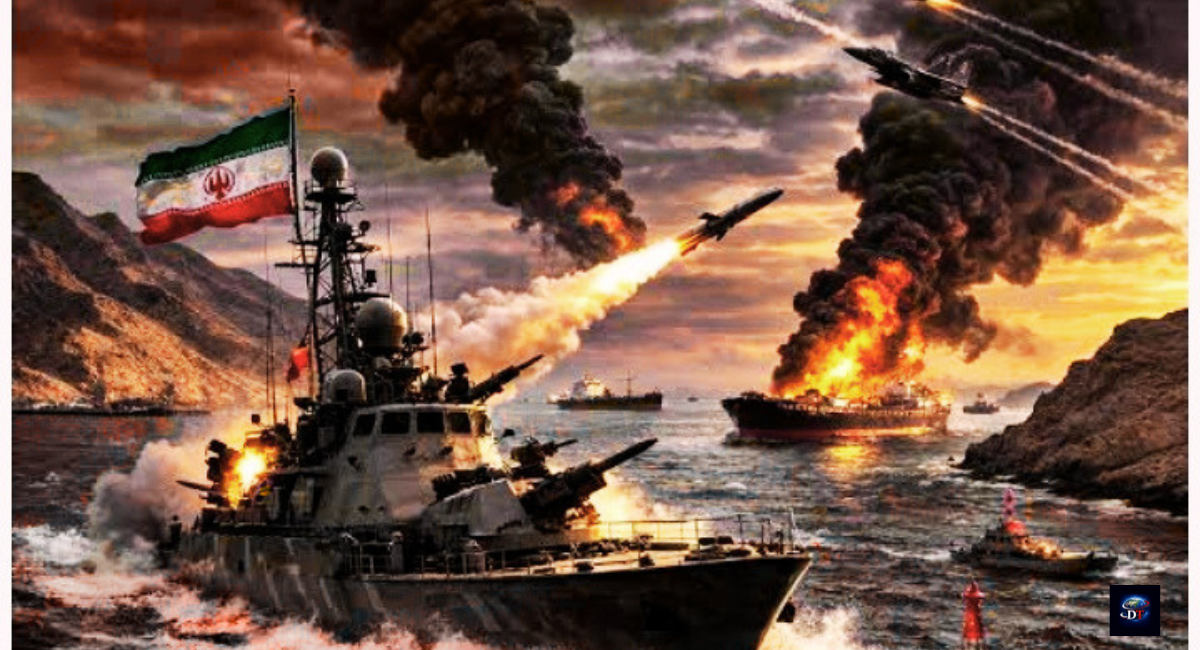
The Strait of Hormuz has once again become the center of global attention as tensions in the Middle East continue to rise. Iran’s latest statement about restricting the passage of “enemy” military equipment through this critical waterway signals a serious shift in regional strategy. This narrow passage is not just a geographic point, it is one of the most important oil transit routes in the world. Any disruption here has immediate global consequences.
Table of Contents
Iran shifts Hormuz policy
Iran has clearly changed its stance regarding the Strait of Hormuz. Officials have stated that they will no longer allow military shipments that could be used against them. This is a strong message aimed at both regional rivals and global powers. Previously, Iran had tolerated such movements, but current tensions have forced a reassessment.
This policy shift reflects Iran’s growing concern about its security environment. It also shows that Tehran is willing to use strategic locations as leverage. By tightening control, Iran is signaling that it will not remain passive in the face of perceived threats.
Global powers respond fast
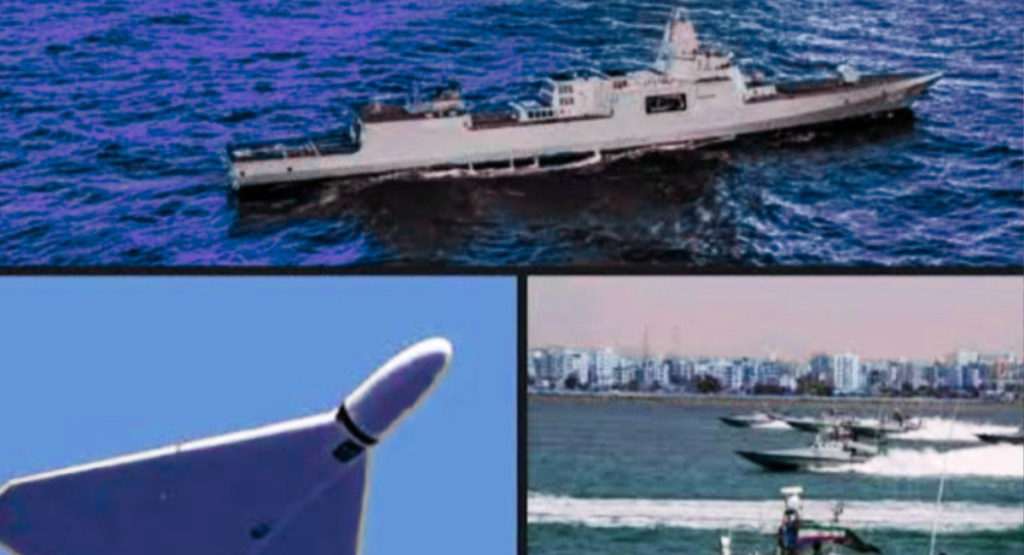
The reaction from global powers has been immediate. Russia and China have both called for stability and dialogue. Their focus is on preventing further escalation in the Strait of Hormuz, which could impact global trade.
The United States, on the other hand, is pushing for stronger action against Iran’s activities. This difference in approach highlights the divide among major powers. While some prefer diplomacy, others are prepared for confrontation, making the situation more complex.
Russia backs China stance
Russia has openly supported China’s call for a permanent ceasefire. Both countries believe that military action will only worsen the situation. Their shared position on the Strait of Hormuz emphasizes dialogue over force.
This alignment is important because it creates a counterbalance to Western policies. It also increases diplomatic pressure on the United States and its allies. The involvement of these powers shows that this issue goes far beyond regional politics.
Risk of new conflict rises
There are growing concerns that military action could resume at any time. Reports suggest that the United States and Israel may consider further strikes against Iran. Such actions could turn the Strait of Hormuz into a conflict zone.
A new escalation would have serious consequences. It could disrupt shipping routes, increase oil prices, and trigger wider instability. The risk is not limited to one country, it affects the entire global system.
Gulf states push diplomacy
Countries in the Gulf region are trying to reduce tensions. Qatar and Saudi Arabia have held discussions aimed at maintaining a ceasefire and promoting dialogue. Their focus is on preventing further instability in the Strait of Hormuz.
These efforts show that regional players understand the risks of escalation. They are working to find solutions that can bring long term peace. However, success depends on cooperation from all sides involved.
Israel Gaza tensions grow
At the same time, tensions in Gaza are increasing. Israeli strikes have led to the death of key Hamas figures, raising concerns about another cycle of violence. While this is a separate issue, it adds pressure to the already fragile situation around the Strait of Hormuz.
Multiple conflicts happening at once can quickly spiral out of control. This creates a dangerous environment where small incidents can lead to larger confrontations.
Iran condemns killings strongly
Iran has strongly condemned the killing of Hamas leaders. It has accused Israel and its allies of continuing aggressive policies. This reaction adds another layer of tension connected indirectly to the Strait of Hormuz crisis.
Such statements are not just political. They reflect deeper alliances and rivalries in the region. These dynamics make it harder to achieve a peaceful resolution.
US military role questioned
The role of the United States is also under scrutiny. The return of a major aircraft carrier after a long deployment shows the scale of military involvement in the region. Operations linked to the Strait of Hormuz have been part of a broader strategy.
Critics argue that military presence can increase tensions rather than reduce them. Supporters believe it is necessary for maintaining security. This debate continues as the situation evolves.
Economic impact grows fast
The economic impact of these tensions is already visible. Iran is facing high inflation and rising food prices due to ongoing disruptions. Any instability in the Strait of Hormuz directly affects global oil supply and prices.
For many countries, this means higher costs and economic uncertainty. Markets react quickly to any news from the region. This shows how deeply connected the global economy is to this single waterway.
Aid and alliances increase
Despite tensions, some countries are offering support to Iran. Humanitarian aid from Kazakhstan is one example. These actions highlight shifting alliances and growing cooperation in difficult times.
Support like this can help stabilize internal conditions, but it also reflects geopolitical positioning. Every move is part of a larger strategy linked to influence around the Strait of Hormuz.
Conclusion
The situation surrounding the Strait of Hormuz is more than just a regional issue. It is a global concern that involves major powers, economic stability, and security risks. Iran’s decision to block certain military shipments marks a turning point that could shape future events.
What makes this situation critical is the number of players involved. From the United States and Israel to Russia, China, and Gulf countries, each has its own interests. This creates a complex web of actions and reactions. A single misstep could lead to serious consequences.
At the same time, there are efforts for peace and dialogue. These efforts need strong support to succeed. Stability in the Strait of Hormuz is essential not just for the Middle East, but for the entire world. The coming days will be crucial in determining whether the region moves toward conflict or cooperation.
FAQs
What is the Strait of Hormuz and why is it important?
The Strait of Hormuz is a key global oil route where a large portion of the world’s النفط supply passes daily, making it vital for global trade.
Why did Iran block military shipments?
Iran stated it will no longer allow weapons that could be used against it to pass through its strategic waters.
How does this affect global oil prices?
Any tension in the Strait of Hormuz can disrupt supply, leading to higher oil prices worldwide.
What role are global powers playing?
Countries like the US, China, and Russia are involved through diplomacy, military presence, and calls for ceasefire.
Is there a risk of war in the region?
Yes, rising tensions and military threats increase the possibility of conflict if diplomacy fails.

I am the founder and writer at Duniya Time.com, a news website focused on national and international news, social issues, and history. With a background in Islamic History, I write research-based articles in a clear and honest style. My goal is to share accurate information, thoughtful analysis, and meaningful stories that help readers stay informed and understand the world better.