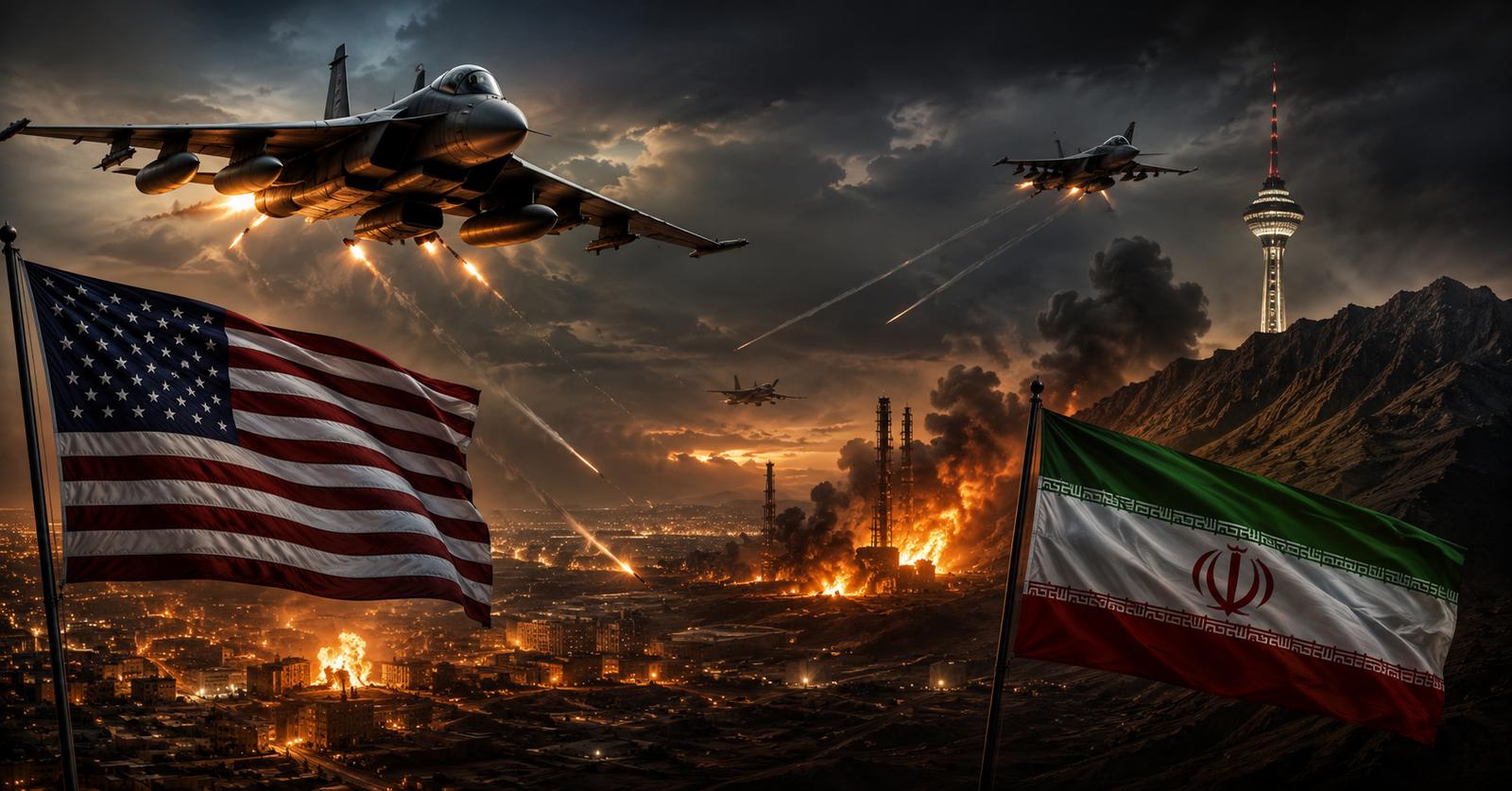
US strikes Iran for third consecutive night as tensions continue to rise across the Middle East. Reports also suggest former President Donald Trump is considering a Hormuz transit fee proposal. These developments have increased global concern over regional stability, energy security, and international trade.
Table of Contents
Rising Military Action
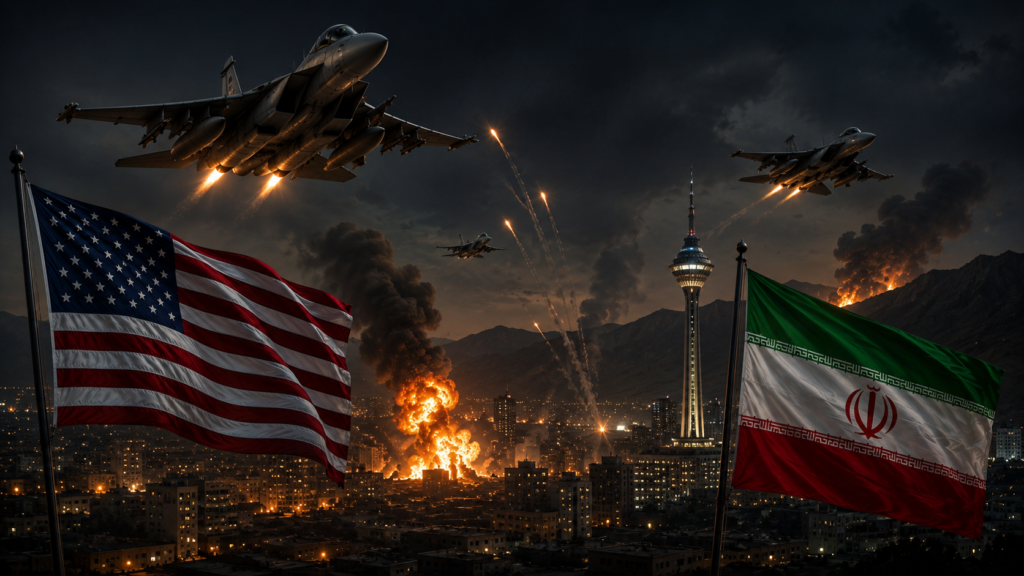
The latest military operation marked the third consecutive night of American strikes against targets inside Iran. Officials said the attacks focused on military facilities believed to support Iran’s defense operations. Washington described the action as part of a wider security strategy aimed at preventing future threats.
Iran strongly criticized the strikes and called them a violation of its sovereignty. Officials warned that continued military pressure could increase instability across the region. The exchange of threats has raised fears that the conflict may continue for an extended period.
Iran Responds Firmly
Iranian leaders stated that the country reserves the right to defend itself against any foreign attack. Military commanders said security forces remain on high alert and are prepared for possible future operations if required.
Following US strikes Iran for third consecutive night, Iranian media reported increased military readiness in several provinces. Authorities also strengthened security around important military and government facilities while continuing diplomatic discussions with regional partners.
Trump’s Hormuz Plan
Former President Donald Trump has reportedly discussed introducing a transit fee for ships passing through the Strait of Hormuz if similar policies return under his leadership. Supporters argue the proposal could improve maritime security and generate additional revenue.
Critics believe such a fee could increase shipping costs and create fresh disagreements with international trading partners. Shipping companies are closely monitoring the proposal because any change affecting the strait may influence global supply chains.
Global Oil Market Impact
The Strait of Hormuz remains one of the world’s most important energy routes. A significant share of global oil exports passes through this narrow waterway every day. Any disruption immediately attracts worldwide attention from governments and energy markets.
Energy analysts say uncertainty surrounding US strikes Iran for third consecutive night has already influenced investor confidence. Oil prices often react quickly to geopolitical events, and traders continue watching developments for signs of further escalation.
International Reactions
Several countries have called for restraint and urged both sides to avoid actions that could expand the conflict. International organizations continue encouraging diplomatic engagement to reduce tensions before the situation becomes more dangerous.
European and Asian governments remain concerned about possible effects on trade, shipping, and regional security. Many leaders believe dialogue remains the most effective path toward preventing additional military confrontation.
Shipping and Trade Risks
Commercial shipping companies continue reviewing security measures before sending vessels through the Gulf region. Some operators have adjusted routes or increased insurance coverage because of growing uncertainty surrounding maritime transport.
If security conditions worsen, transportation costs may rise for businesses worldwide. Higher shipping expenses could eventually affect fuel prices, imported goods, and supply chains across many countries.
Military Readiness Grows
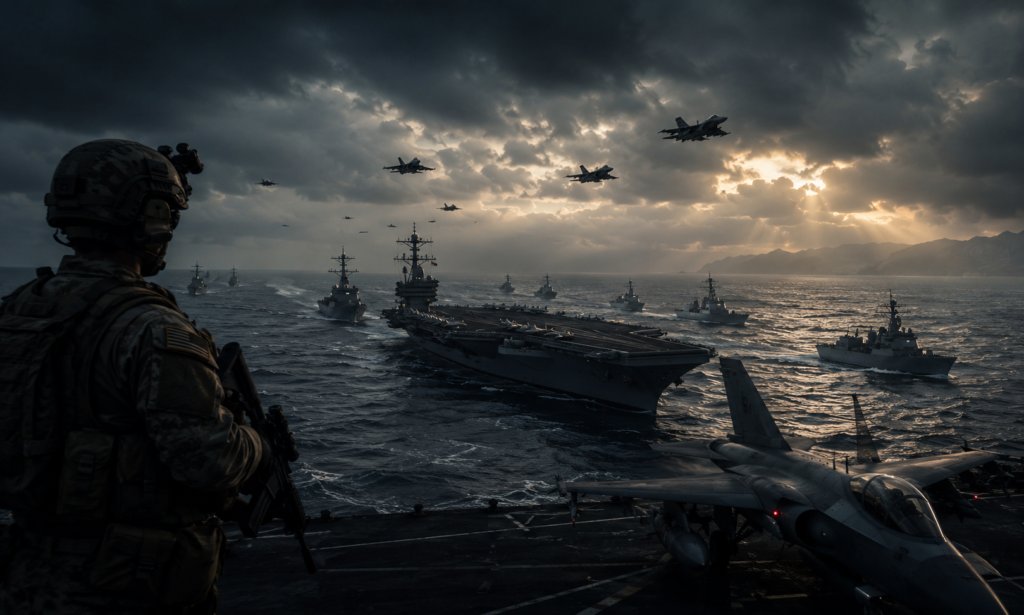
Both American and Iranian forces continue maintaining high operational readiness. Additional naval assets remain deployed in nearby waters while surveillance activities have increased across strategic locations.
Defense experts believe the situation remains unpredictable. Although neither side has announced plans for a larger military campaign, continued exchanges increase the possibility of accidental escalation and broader regional conflict.
Diplomatic Efforts Continue
Despite rising tensions, diplomatic channels remain active. Several countries are working behind the scenes to encourage communication between the parties involved. Regional governments are also supporting efforts aimed at preventing further violence.
Following US strikes Iran for third consecutive night, international mediators have renewed calls for direct negotiations. Many experts argue that diplomacy offers the best opportunity to reduce military risks and restore stability.
What Happens Next
The coming days will likely determine whether tensions continue rising or begin to ease. Decisions made by political leaders in Washington and Tehran could influence security conditions throughout the Middle East.
Financial markets, energy companies, and governments will continue monitoring every development. Future diplomatic meetings, military announcements, and shipping policies are expected to shape the next phase of the crisis.
Conclusion
US strikes Iran for third consecutive night has intensified concerns about regional security and global trade. Diplomatic efforts remain essential as the world watches for decisions that could either reduce tensions or deepen the Middle East crisis.
FAQS
What happened in the latest US-Iran conflict?
The United States carried out military strikes against Iranian targets for the third consecutive night, increasing tensions across the Middle East.
Why is the Strait of Hormuz important?
The Strait of Hormuz is a key global shipping route through which a large portion of the world’s oil exports passes every day.
What is the proposed Hormuz transit fee?
Reports suggest Donald Trump has discussed a transit fee for ships using the Strait of Hormuz as part of future maritime security measures.
How could the conflict affect oil prices?
Military tensions in the Gulf region can increase uncertainty in energy markets and may lead to higher oil prices.
What are world leaders saying about the crisis?
Many countries and international organizations are urging restraint and calling for diplomatic solutions to prevent further escalation.

I am the founder and writer at Duniya Time.com, a news website focused on national and international news, social issues, and history. With a background in Islamic History, I write research-based articles in a clear and honest style. My goal is to share accurate information, thoughtful analysis, and meaningful stories that help readers stay informed and understand the world better.