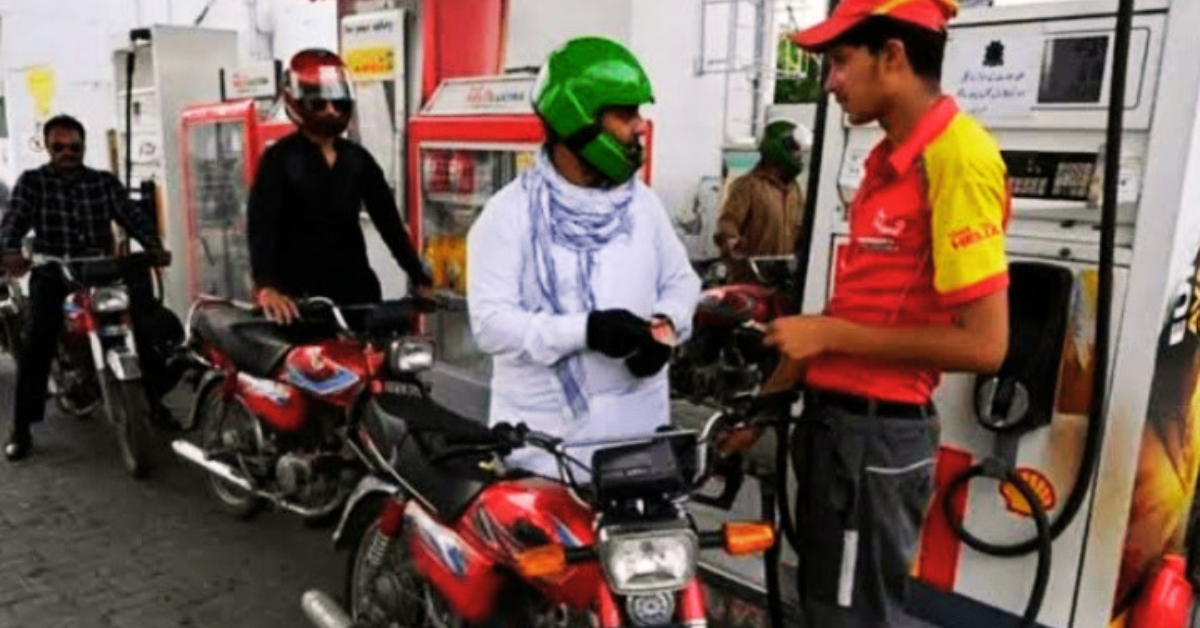
Govt revises prices of petroleum products as Pakistan adjusts fuel rates amid global oil market volatility. Petrol has seen a slight reduction, while diesel has become more expensive, creating mixed effects for consumers and businesses.
Table of Contents
Govt Revises Prices
The latest Govt revises prices of petroleum products decision has brought a small reduction in the petrol price and a notable increase in High Speed Diesel. Petrol now costs Rs315.80 per litre after a reduction of Rs0.35. Diesel has increased by Rs5.71 and now costs Rs360.06 per litre. The revised rates took effect on July 21, 2026.
Petrol Price Sees Cut
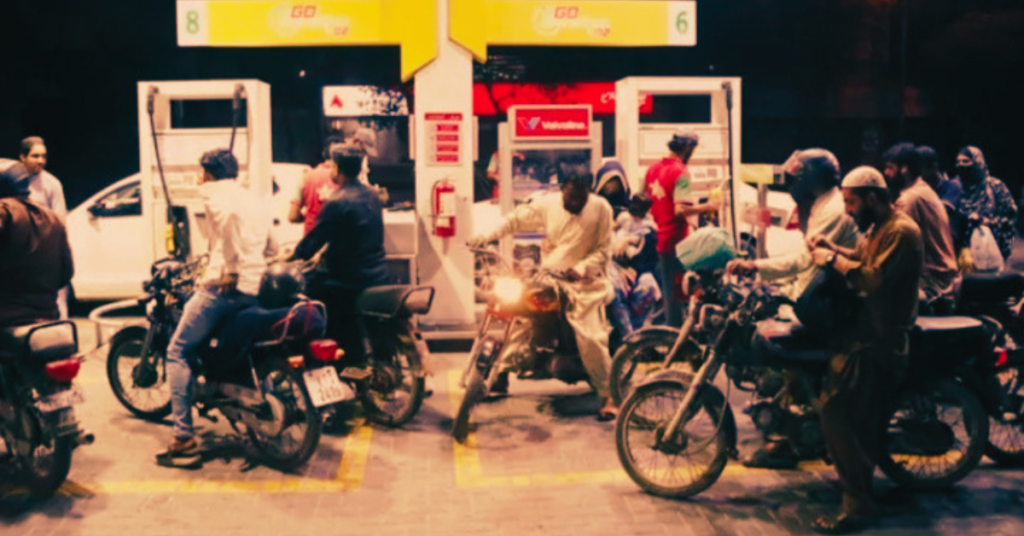
The petrol price has been reduced slightly from Rs316.15 to Rs315.80 per litre. The reduction is small, so most consumers may not see a major difference in their monthly fuel expenses. However, the change shows that domestic prices can move in different directions depending on international oil prices, currency conditions, and government pricing decisions.
Diesel Price Rises
High Speed Diesel has become Rs5.71 per litre more expensive under the latest revision. The new diesel price is Rs360.06 per litre. Diesel is widely used by trucks, buses, agricultural machinery, construction equipment, and commercial vehicles. Therefore, the increase may create additional pressure on transport and business operating costs.
Impact On Transport
The Govt revises prices of petroleum products update is important for the transport sector because diesel plays a major role in moving people and goods across Pakistan. Higher diesel prices can increase the cost of freight services and long-distance transportation. Transport operators may face higher daily expenses if the price remains elevated.
Effect On Inflation
Fuel prices can influence inflation through transportation and supply chains. When the cost of moving goods increases, businesses may face higher distribution expenses. These costs can eventually affect the prices of food and other products. However, the overall impact depends on how long the fuel price changes continue.
Agriculture Faces Pressure
Farmers depend on diesel for tractors, tube wells, harvesters, and other machinery. The latest diesel increase could raise agricultural operating costs, particularly for farmers who use fuel-intensive equipment. Higher transportation expenses may also affect the movement of crops from farms to markets. This can create pressure throughout the agricultural supply chain.
Why Prices Change
Petroleum prices are influenced by international crude oil rates, exchange rate movements, taxes, petroleum levy, and other government charges. Global tensions can also affect energy markets and create sudden price changes. Pakistan imports petroleum products, so international market conditions can have a direct effect on domestic fuel prices.
Government Faces Pressure
The latest Govt revises prices of petroleum products decision highlights the challenge facing policymakers. The government must respond to international market changes while also considering the financial pressure on households and businesses. Lower prices can provide relief to consumers, but global energy costs and fiscal pressures can limit the government’s options.
Businesses Watch Costs
Businesses are closely monitoring fuel prices because transportation is part of many commercial activities. Manufacturers, retailers, delivery companies, and logistics operators may face higher expenses when diesel prices rise. Small businesses can be particularly affected because they often have less financial capacity to absorb sudden increases in fuel and transportation costs.
Future Prices Remain Uncertain
The future direction of fuel prices remains uncertain because global energy markets can change quickly. The Govt revises prices of petroleum products policy allows authorities to respond to changing market conditions. Future adjustments may depend on international crude prices, regional developments, currency movements, and the government’s decision on taxes and petroleum charges.
Conclusion
The latest Govt revises prices of petroleum products decision brings a small petrol cut but raises diesel prices. The impact on transport, agriculture, business costs, and inflation will depend on future global oil market conditions.
FAQS
What does Govt revises prices of petroleum products mean?
It means the government has changed the prices of petrol and diesel according to market conditions, international oil prices, taxes, and other economic factors.
Why did the government revise petroleum prices?
The government revises petroleum prices because international oil prices, exchange rates, taxes, and global energy market conditions can affect the cost of fuel in Pakistan.
How does the price revision affect consumers?
Changes in petrol and diesel prices can affect household fuel expenses, transportation costs, freight charges, and the prices of goods transported across the country.
Why is diesel important for Pakistan’s economy?
Diesel is widely used in trucks, buses, agriculture, construction, industries, and commercial transport. Therefore, changes in diesel prices can affect several economic sectors.
Will petroleum prices change again?
Future petroleum prices may change depending on international oil prices, currency movements, taxes, government policy, and developments in the global energy market.

I am the founder and writer at Duniya Time.com, a news website focused on national and international news, social issues, and history. With a background in Islamic History, I write research-based articles in a clear and honest style. My goal is to share accurate information, thoughtful analysis, and meaningful stories that help readers stay informed and understand the world better.