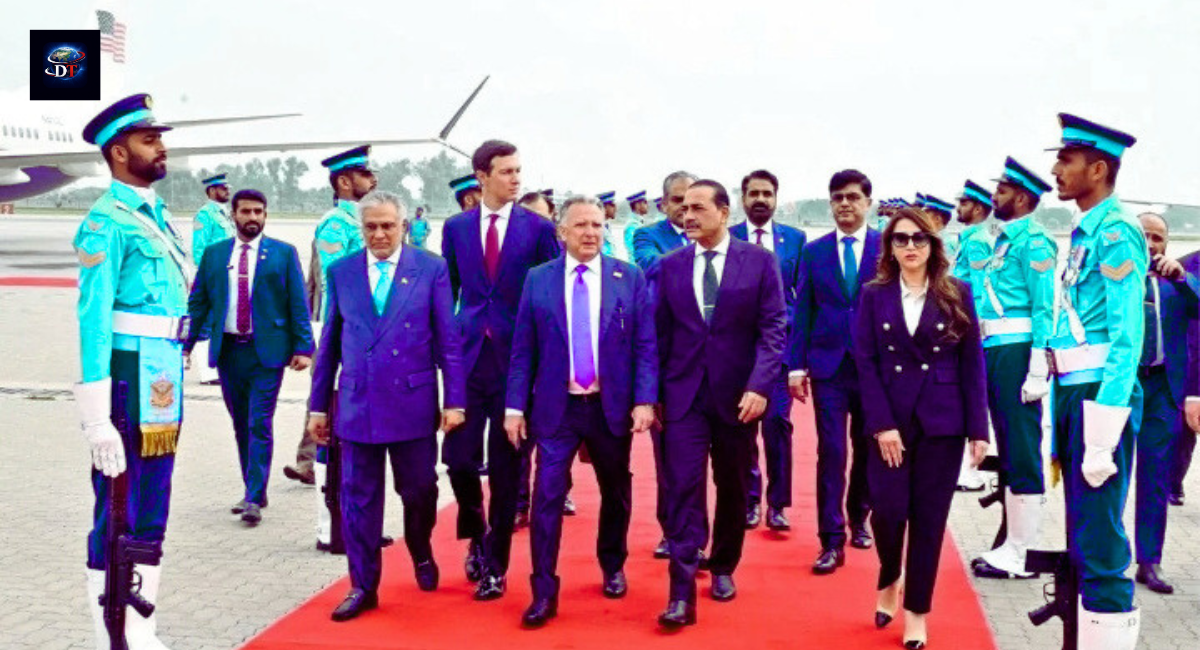
Pakistan has stepped into a sensitive diplomatic role as tensions around Iran, the United States, and the Strait of Hormuz raise global concern. Pakistan mediates Iran US talks at a moment when backchannel diplomacy, security fears, and energy risks are shaping regional calculations. Islamabad is trying to keep dialogue alive while avoiding wider escalation.
Table of Contents
Islamabad emerges as a neutral diplomatic channel
Pakistan’s position has gained attention because both Washington and Tehran appear willing to use indirect communication. Officials signaled exploratory contacts may pass through Pakistani mediation. This role reflects Islamabad’s effort to present itself as a stabilizing actor rather than a partisan player in a volatile regional crisis.
Iran diplomacy linked to Hormuz crisis risks
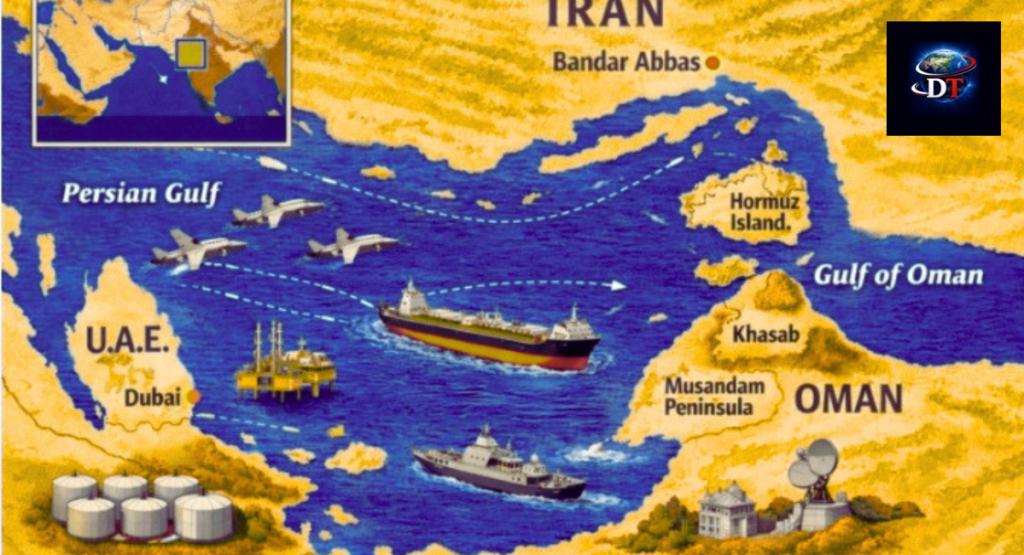
The Strait of Hormuz remains central to current negotiations. Shipping disruptions, energy price concerns, and maritime security fears have pushed diplomacy forward. Analysts note Pakistan mediates Iran US talks partly because the Hormuz crisis threatens trade routes, oil markets, and broader regional economic stability.
US envoys signal cautious negotiation interest
Reports of American envoys traveling toward Islamabad have increased speculation over possible diplomatic openings. While no direct breakthrough has been confirmed, Washington appears interested in testing Iranian positions. These contacts are viewed less as formal negotiations and more as groundwork for potential future engagement.
Tehran uses indirect channels over direct talks
Iran has publicly downplayed direct meetings with American officials, yet it has not shut the door on diplomacy. Instead, Tehran appears to favor mediated communication. In this setting, Pakistan mediates Iran US talks through message carrying, confidence building, and quiet regional consultation among multiple capitals.
Regional security concerns shape mediation efforts
The diplomatic process is unfolding alongside military threats across the Middle East. Missile warnings, drone incidents, and pressure involving allied groups all affect calculations. Pakistan’s mediation is therefore tied not only to nuclear questions but also to wider security concerns that influence both sides.
Nuclear dispute remains core negotiation issue
Any possible understanding still faces serious obstacles. Uranium enrichment, sanctions pressure, and guarantees remain major disputes. The United States seeks limits on nuclear advancement, while Iran wants assurances and relief measures. These unresolved points continue to define whether diplomacy can move beyond exploratory discussions.
Energy markets react to conflict uncertainty
Global markets are watching events closely. Shipping shifts and concerns about supply routes have already created commercial pressure. Rising transport costs show how conflict risks spill into economic systems. Some observers argue Pakistan mediates Iran US talks partly because energy disruption creates urgency for political solutions.
Gulf states monitor talks with caution
Regional governments are paying close attention to Islamabad’s role. Gulf states worry about spillover from confrontation, especially after drone incidents and security alerts. Their cautious responses suggest broader support for de-escalation, even while many remain uncertain whether mediation can produce durable progress.
Pakistan foreign policy gains strategic relevance
This moment could strengthen Pakistan’s diplomatic profile. Acting as an intermediary may expand Islamabad’s strategic value in regional politics. It also allows Pakistan to connect security dialogue with economic stability concerns. Success, however, depends on trust, consistency, and willingness from all parties involved.
Diplomatic path remains fragile but active
Despite skepticism, diplomacy remains alive. Public denials, mixed signals, and hard positions do not mean talks are impossible. History often shows indirect channels begin quietly before formal negotiations emerge. Pakistan mediates Iran US talks under difficult conditions, but even limited dialogue can reduce immediate risks.
Conclusion
Pakistan’s mediation role reflects a broader search for stability during a dangerous regional moment. Whether talks progress or stall, diplomatic engagement matters. Continued communication may help reduce escalation and open space for longer-term solutions.
FAQ :
What is Pakistan Mediates Iran US Talks about?
It refers to Pakistan’s role in facilitating indirect dialogue between Tehran and Washington during heightened regional tensions.
Why is Islamabad important in these talks?
Islamabad is viewed as a neutral diplomatic channel where sensitive communication can continue despite mistrust between both sides.
Are direct Iran US negotiations taking place?
Current signals point more toward indirect contacts and exploratory diplomacy rather than confirmed full scale direct negotiations.
How does the Strait of Hormuz affect the talks?
Shipping disruption, oil concerns, and maritime security risks have increased urgency for diplomacy and mediation.
Can Pakistan’s mediation lead to a breakthrough?
Analysts say it may help reduce escalation and build trust, though major disputes remain unresolved.

I am the founder and writer at Duniya Time.com, a news website focused on national and international news, social issues, and history. With a background in Islamic History, I write research-based articles in a clear and honest style. My goal is to share accurate information, thoughtful analysis, and meaningful stories that help readers stay informed and understand the world better.