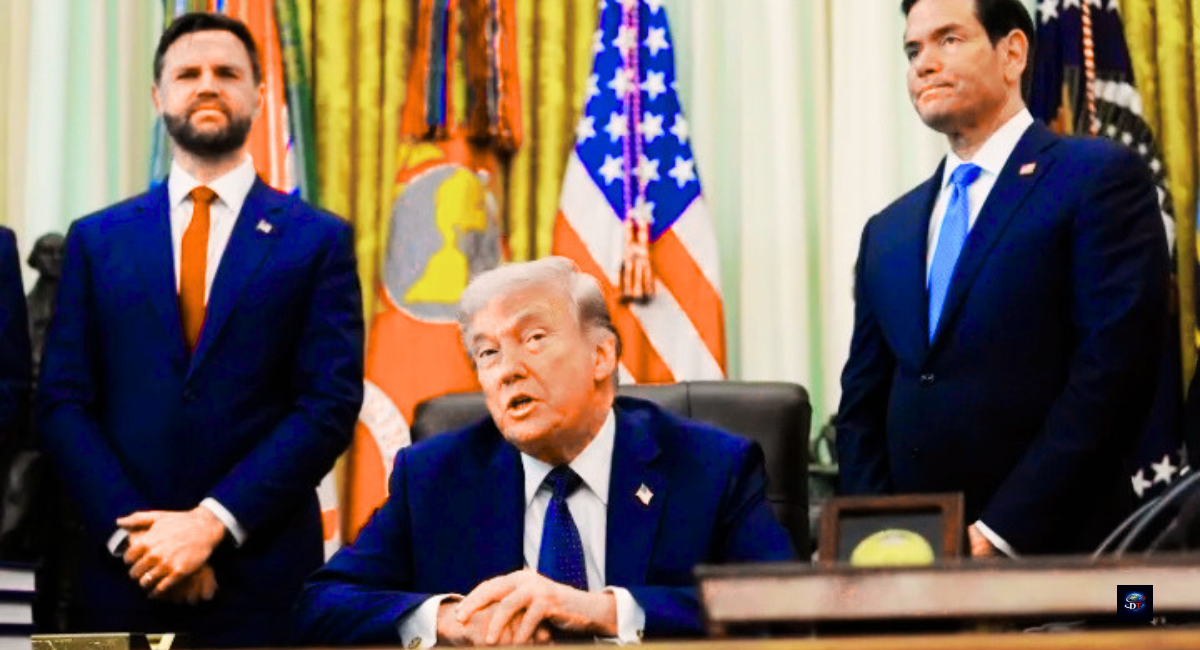
Hormuz Talks Before Nuclear Deal is becoming the new centre of global diplomacy. The United States and Iran are now focusing on reducing regional tension first while delaying difficult nuclear discussions for future negotiations.
Table of Contents
US Pauses Naval Mission
The United States suddenly paused its naval escort operation in the Strait of Hormuz after only two days. President Donald Trump said the decision came after requests from Pakistan and other regional countries.
Washington earlier launched the mission to protect commercial ships moving through the Gulf waters. However, growing diplomatic pressure pushed the White House to reconsider its military approach.
This unexpected move signalled a major shift in American strategy toward Iran.
Pakistan Leads Mediation
Pakistan emerged as an important mediator between Tehran and Washington. Prime Minister Shehbaz Sharif publicly supported diplomatic engagement and expressed hope for long term regional peace.
According to diplomatic sources, Pakistani officials remained in close contact with both governments during the recent escalation. Saudi Arabia also reportedly encouraged efforts to calm tensions in the region.
The mediation effort helped create momentum for possible negotiations between the rival states.
Iran Changes Negotiation Order
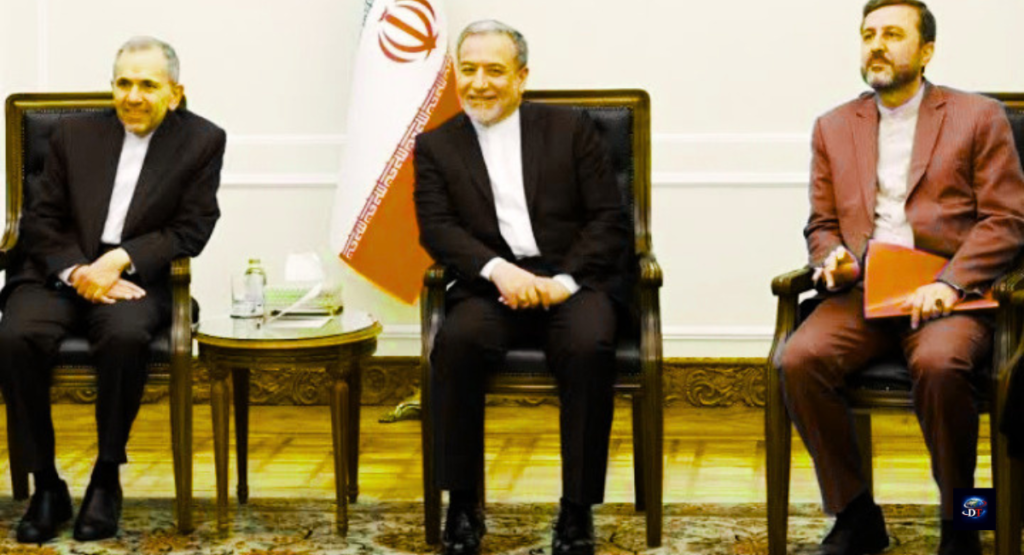
Iran has consistently demanded that military tensions and the Strait of Hormuz issue should be resolved before discussing nuclear matters.
Tehran proposed a phased framework through Pakistan. The plan focuses first on ending military actions, reopening shipping routes and reducing sanctions pressure.
Under this proposal, detailed nuclear discussions would begin later after trust building measures succeed.
This approach is now receiving more attention from Washington than before.
Rubio Signals Policy Shift
US Secretary of State Marco Rubio recently announced that Washington now seeks a memorandum of understanding instead of immediate full nuclear concessions.
Earlier American demands included dismantling Iran’s missile system, restricting military networks and shutting down nuclear facilities. Those strict conditions now appear softened.
The administration currently wants a temporary framework that could open the path for future negotiations.
This major policy change strengthened speculation about a possible breakthrough.
Hormuz Talks Before Nuclear Deal Gains Support
Many analysts believe Hormuz Talks Before Nuclear Deal has become the most realistic option for both sides.
Iran wants economic relief and regional stability. The United States wants safe shipping routes and a reduction in military risks. Because of these priorities, both governments may prefer limited agreements before tackling highly sensitive nuclear matters.
Experts also argue that the recent military standoff showed neither side could achieve total victory through force.
Diplomacy therefore became the safer and more practical route.
Strait Remains Main Dispute
Despite positive diplomatic signals, the Strait of Hormuz remains the biggest unresolved issue.
Iran wants a new regional mechanism to manage security in the waterway. The United States rejects any arrangement that could give Tehran influence over international shipping access.
American officials insist global trade routes must stay open without restrictions or political conditions.
Iranian analysts themselves admit there is still no clear internal agreement about how the Strait should be administered in the future.
This disagreement continues to slow progress.
China Enters Diplomatic Stage
Iranian Foreign Minister Abbas Araghchi travelled to China for discussions with Foreign Minister Wang Yi.
China remains Iran’s largest oil customer and a critical economic partner. Beijing has opposed American sanctions and continues purchasing Iranian crude oil.
Chinese involvement could influence the next stage of negotiations because Washington hopes Beijing can pressure Tehran into reopening the Strait completely.
However, tensions between China and the US may limit that possibility.
Gulf Nations Push Stability
Saudi Arabia and Gulf countries are increasingly worried about instability in regional waters.
The Saudi government supported Pakistan’s diplomatic role and demanded safe passage for all ships through the Strait of Hormuz.
Regional governments fear economic damage because the waterway handles a large portion of global oil shipments. Any disruption could increase fuel prices worldwide and hurt international trade.
Because of these risks, Gulf states prefer negotiations over another military escalation.
Deadline Pressure Builds
Several important deadlines are approaching quickly. The upcoming Hajj pilgrimage, major diplomatic meetings and global economic concerns are increasing pressure on all parties.
Millions of Muslims will travel to Mecca later this month. Regional conflict during that period could create serious political and security complications.
At the same time, President Trump is expected to hold meetings with Chinese President Xi Jinping soon. Iran’s future will likely remain a key topic during those discussions.
These developments make diplomatic progress more urgent than ever.
Future Of US-Iran Relations
The latest events suggest the United States may now accept gradual diplomacy instead of demanding immediate nuclear concessions.
While no final settlement exists, Hormuz Talks Before Nuclear Deal has become the centre of current negotiations. Both countries appear willing to explore temporary compromises to avoid another dangerous military confrontation.
Still, deep mistrust remains between Washington and Tehran. Issues involving sanctions, military influence and nuclear activities could continue creating obstacles.
The coming weeks may determine whether this diplomatic opening becomes a lasting agreement or another failed attempt at peace.
Conclusion
Hormuz Talks Before Nuclear Deal reflects a new diplomatic reality in the Middle East. Military pressure alone failed to solve the crisis, pushing both sides toward phased negotiations and cautious cooperation for regional stability.
FAQs
Why did the US pause the Hormuz naval mission?
The United States paused the mission after diplomatic mediation efforts from Pakistan and other regional countries showed signs of progress toward negotiations with Iran.
What does Iran want before nuclear talks?
Iran wants military tensions reduced, sanctions eased and the Strait of Hormuz issue settled before discussing its nuclear programme.
Why is the Strait of Hormuz important?
The Strait of Hormuz is one of the world’s most important oil shipping routes. Any disruption can affect global energy prices and international trade.
What role is Pakistan playing?
Pakistan is acting as a mediator between the United States and Iran by helping both sides communicate and encouraging diplomatic solutions.
Is a final US-Iran agreement close?
Analysts believe a temporary framework agreement is possible soon, but a complete long term settlement may still take significant time.

I am the founder and writer at Duniya Time.com, a news website focused on national and international news, social issues, and history. With a background in Islamic History, I write research-based articles in a clear and honest style. My goal is to share accurate information, thoughtful analysis, and meaningful stories that help readers stay informed and understand the world better.