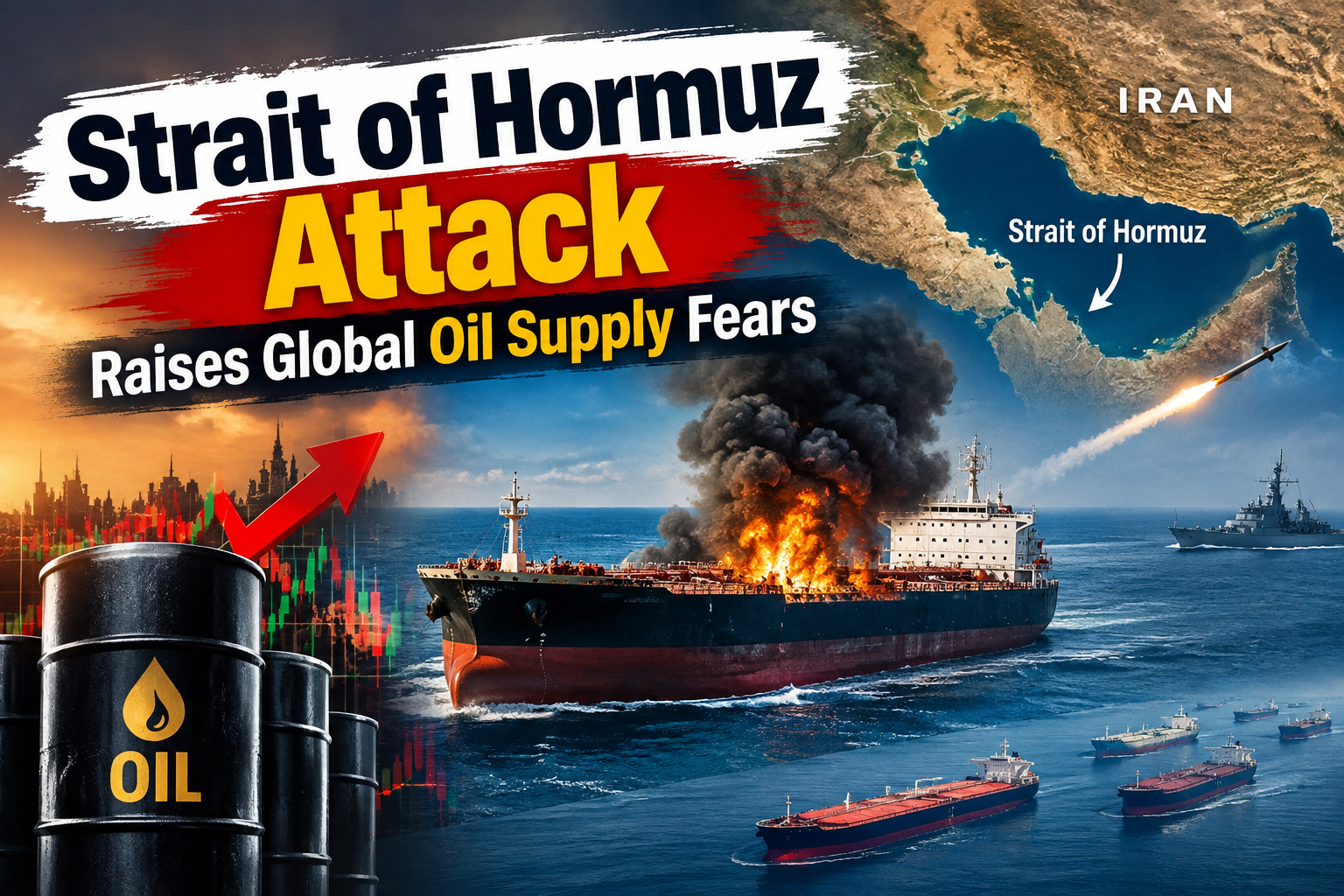
The attack on a vessel in the Strait of Hormuz has increased concerns about the security of sea routes. Disruption to the movement of ships could reduce crude oil supplies and increase concerns about rising oil prices.
Table of Contents
Iranian Commercial Vessel Targeted by an Unknown Projectile Near Qeshm
In 2026, an Iranian commercial vessel was targeted near Qeshm Island. According to the British Maritime Trade Operations, the commercial vessel was struck by a projectile or an unknown object.
Attack on Commercial Vessel in Strait of Hormuz Leaves One Dead and Three Injured
According to Iranian state media, one person was killed and three others were injured after the commercial vessel passing through the Strait of Hormuz was targeted. No one has so far claimed responsibility for the attack. Tensions between the United States and Iran’s Islamic Revolutionary Guard Corps are also increasing.
Strait of Hormuz Tensions Raise Concerns Over Rising Oil Prices
According to foreign media reports, tensions between the Islamic Revolutionary Guard Corps and the United States are affecting the movement of ships in the Strait of Hormuz, raising concerns about higher oil prices. Last week, crude oil prices exceeded $100 per barrel, while diesel prices in the United States also increased significantly.
Why Could the Strait of Hormuz Attack Push Global Oil Prices Higher?
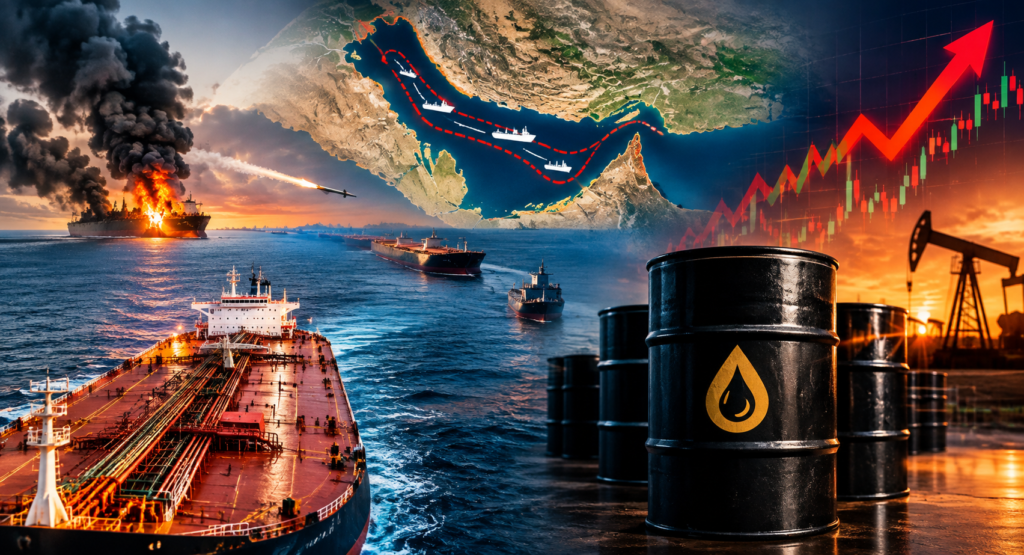
The Strait of Hormuz is a highly important sea route for global oil trade. Several countries receive crude oil and LNG through this route. Therefore, an attack on a vessel in the area could create concerns in the global energy market.
Risks to Shipping Increase
If there are concerns about further attacks in the Strait of Hormuz, shipping companies may limit the movement of their vessels or take additional security measures. This could increase both the time and cost of transporting oil.
Global Oil Supply Could Be Affected
If the movement of oil tankers decreases or shipping through the Strait of Hormuz is severely disrupted, concerns about the availability of oil in the global market could increase. The fear of a potential supply shortage could put upward pressure on oil prices.
Markets Also React to Concerns
Oil prices do not always depend only on current supply and demand. If buyers fear a possible shortage of oil in the future, they may try to purchase oil in advance. As a result, global oil prices can rise even before the actual supply is affected.
Shipping and Insurance Costs Could Increase
Insurance and security costs can also rise on dangerous sea routes. These additional costs can eventually be added to the overall cost of transporting oil, putting further pressure on the global energy market.
Conclusion
Global oil supplies have not necessarily been immediately affected. The actual impact will depend on whether the situation worsens and to what extent the movement of oil tankers through the Strait of Hormuz is affected.
FAQS
- What happened in the Strait of Hormuz?
An Iranian commercial vessel near Qeshm Island was reportedly hit by a projectile or an unknown object. - When did the Strait of Hormuz attack happen?
The reported attack took place in 2026 near Qeshm Island in the Strait of Hormuz region. - Who attacked the Iranian commercial vessel?
No one has officially claimed responsibility for the attack so far. - How many people were killed in the attack?
According to Iranian state media, one person was killed and three others were injured. - Why is the Strait of Hormuz important for global oil supplies?
The Strait of Hormuz is a major sea route for transporting crude oil and LNG to international markets. - Can the Strait of Hormuz attack increase oil prices?
Yes. Concerns about shipping disruptions and possible supply shortages can put upward pressure on global oil prices. - How can shipping disruptions affect oil supplies?
If oil tankers reduce their movement through the Strait of Hormuz, the amount of oil reaching global markets could decline.

I am the founder and writer at Duniya Time.com, a news website focused on national and international news, social issues, and history. With a background in Islamic History, I write research-based articles in a clear and honest style. My goal is to share accurate information, thoughtful analysis, and meaningful stories that help readers stay informed and understand the world better.