Budget 2026-27 has become one of the most discussed economic topics in Pakistan. The government faces a difficult challenge. It must maintain financial stability while also encouraging growth, investment, and employment. Many experts believe the upcoming budget will reveal whether policymakers can move beyond short-term crisis management and create a stronger economic future for businesses and households across the country.
Table of Contents
Economic Stability
Pakistan has spent the last few years focusing on economic stabilization. Inflation has eased compared to previous periods, and foreign exchange reserves have improved. These developments have helped reduce immediate financial risks. However, stability alone is not enough. Many families continue to face rising living costs, while businesses struggle with weak demand. The challenge now is transforming stability into long-term economic progress.
Growth Challenges
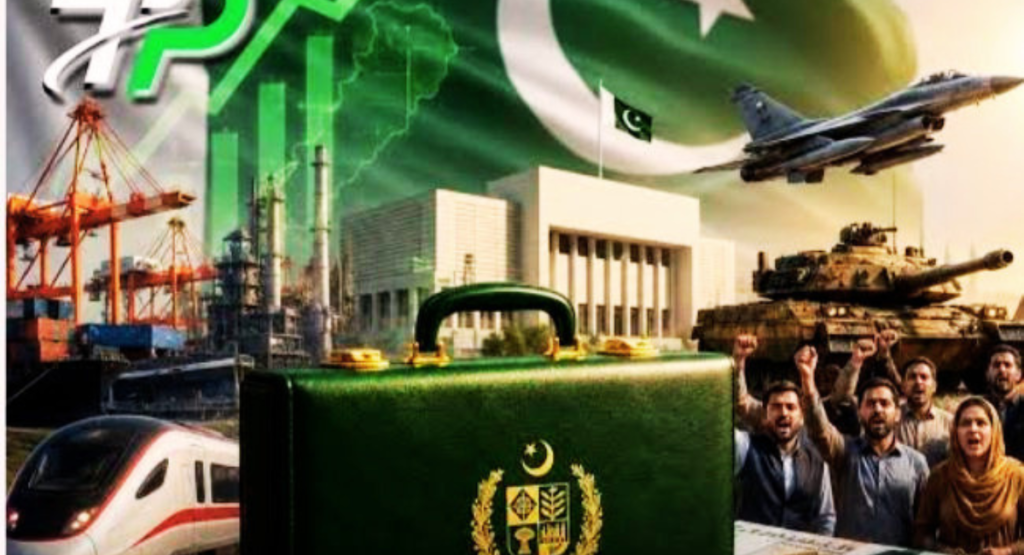
Economic growth remains one of the biggest concerns for policymakers. Experts expect growth to stay moderate because of fiscal restrictions and global uncertainty. Private investment remains limited, and many industries continue operating below capacity. Without stronger production and business activity, it becomes difficult to create new employment opportunities. Sustainable expansion requires deeper reforms that address long-standing structural weaknesses.
IMF Influence
The direction of Budget 2026-27 is closely linked to commitments made under the IMF program. These agreements encourage fiscal discipline, revenue collection, and controlled spending. While such measures support financial stability, critics argue they leave limited room for growth-focused policies. The government must therefore balance lender expectations with domestic economic needs to avoid placing additional pressure on households and businesses.
Revenue Targets
Revenue collection will play a central role in the upcoming financial plan. Authorities are expected to increase tax collection efforts while reducing leakages within the system. Many economists believe improving compliance is more effective than raising tax rates. A broader tax base can increase government income without placing excessive burdens on existing taxpayers. Better revenue management can also improve fiscal efficiency.
Industry Concerns
Manufacturing and export sectors continue to face significant difficulties. High energy costs, financing challenges, and policy uncertainty affect business confidence. Many companies delay expansion plans because future conditions remain unclear. Industrial growth is essential for increasing exports and generating employment. Addressing these concerns through practical reforms could improve competitiveness and strengthen Pakistan’s position in regional and global markets.
Tax Relief Debate
Many salaried individuals hope Budget 2026-27 will provide meaningful tax relief. Rising costs have reduced purchasing power for middle-income families. Business groups also seek incentives that encourage investment and formal economic activity. However, fiscal limitations make large concessions difficult. Policymakers must carefully design relief measures that support economic activity without creating additional pressure on public finances.
Investment Climate
Investor confidence depends on consistency and predictability. Frequent policy changes often discourage long-term planning and capital investment. Both domestic and foreign investors prefer stable regulations and transparent governance. Creating a supportive business environment can attract new projects, increase productivity, and expand economic opportunities. Strong investment policies remain an important component of any successful growth strategy.
Export Potential
Pakistan’s long-term economic success depends heavily on export growth. The country needs to increase the value and diversity of products sold internationally. Higher exports generate foreign exchange and reduce reliance on external borrowing. Experts believe productivity improvements, technology adoption, and better infrastructure can help achieve this objective. A stronger export sector would provide a more sustainable foundation for future development.
Future Reforms
Structural reforms remain necessary for lasting economic improvement. Areas such as taxation, energy management, public sector efficiency, and business regulation require attention. Although reforms may involve difficult decisions, they can create stronger economic foundations. Many analysts argue that delaying change only prolongs existing challenges. Effective reforms can support growth while reducing vulnerability to future financial crises.
Public Expectations
The public wants clear evidence that economic sacrifices will produce better outcomes. Citizens expect improved job opportunities, stable prices, and stronger living standards. Confidence grows when people see practical results rather than policy promises. For this reason, Budget 2026-27 will be judged not only by economic indicators but also by its impact on everyday life across the country.
Conclusion
The success of Budget 2026-27 depends on its ability to balance stability with growth. Pakistan has made progress in avoiding economic crises, but long-term prosperity requires investment, exports, and structural reform. If policymakers can create a credible path toward sustainable development, the budget may become an important step toward stronger economic performance and improved living standards.
FAQS
What is the main objective of Budget 2026-27?
The main objective is to maintain economic stability while supporting growth, investment, and job creation.
How does Budget 2026-27 affect ordinary citizens?
The budget may influence taxes, inflation, purchasing power, and employment opportunities across the country.
Why is the IMF important for Budget 2026-27?
The IMF program sets financial targets that guide fiscal policy and economic management decisions.
Will Budget 2026-27 provide tax relief?
The government is considering limited relief measures, but fiscal constraints may restrict major tax reductions.
How can Pakistan achieve stronger economic growth?
Higher exports, increased investment, better productivity, and structural reforms can help achieve sustainable growth.
What challenges does Pakistan’s economy currently face?
Key challenges include slow growth, high energy costs, limited investment, weak exports, and fiscal pressures.
Why are exports important for Pakistan?
Exports generate foreign exchange earnings and help reduce dependence on external borrowing.
Can economic stability alone improve living standards?
Stability is important, but long-term improvements require growth, employment opportunities, and rising incomes.

I am the founder and writer at Duniya Time.com, a news website focused on national and international news, social issues, and history. With a background in Islamic History, I write research-based articles in a clear and honest style. My goal is to share accurate information, thoughtful analysis, and meaningful stories that help readers stay informed and understand the world better.