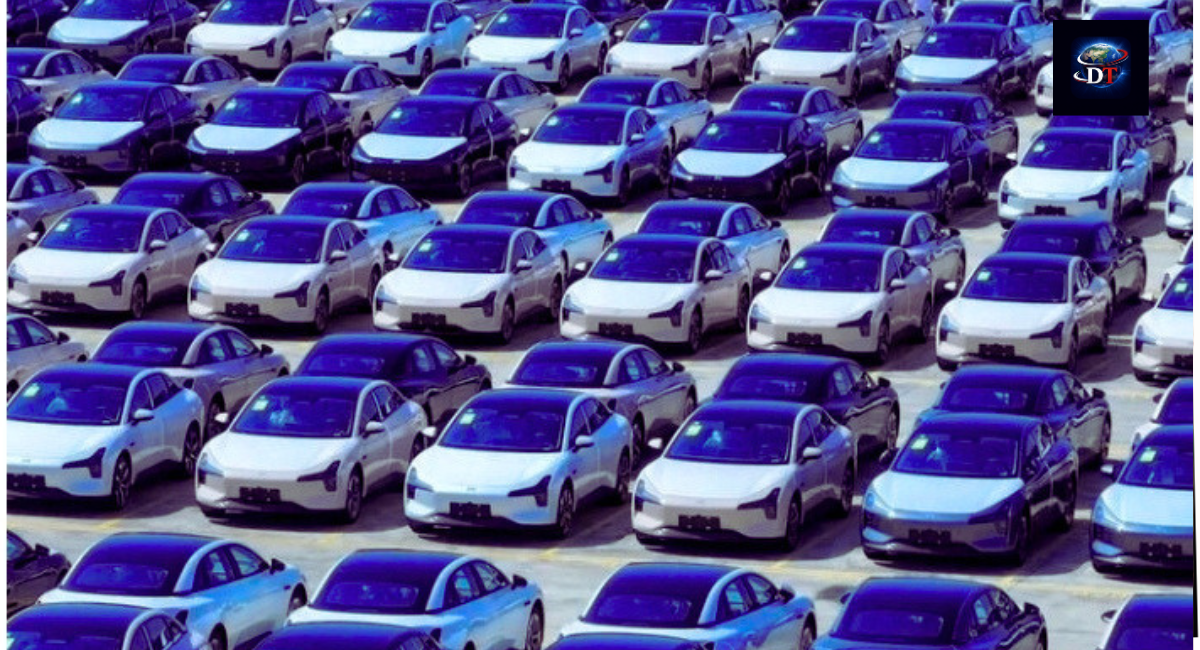
Pakistan Car Duties Cut Plan could change the country’s auto sector through lower tariffs, wider imports and stronger competition. The policy may influence prices, investment, manufacturing and consumer choices by 2030.
Table of Contents
Pakistan Car Duties Cut Plan reshapes auto trade
Pakistan’s Car Duties Cut Plan marks a major policy shift in the country’s vehicle sector. The reform aims to lower tariffs, expand competition, support industrial growth and gradually open the market by 2030. Officials link the policy to wider economic reforms, with possible effects on prices, imports and local manufacturing.
Tariff Reform Gains Pace
Pakistan plans to reduce the weighted average tariff over the next few years under a structured roadmap. The goal is to move from higher protection to a simpler system. Lower tariffs may support trade activity, improve supply chains and help the economy adjust to competitive market conditions.
Auto Duties Face Reduction
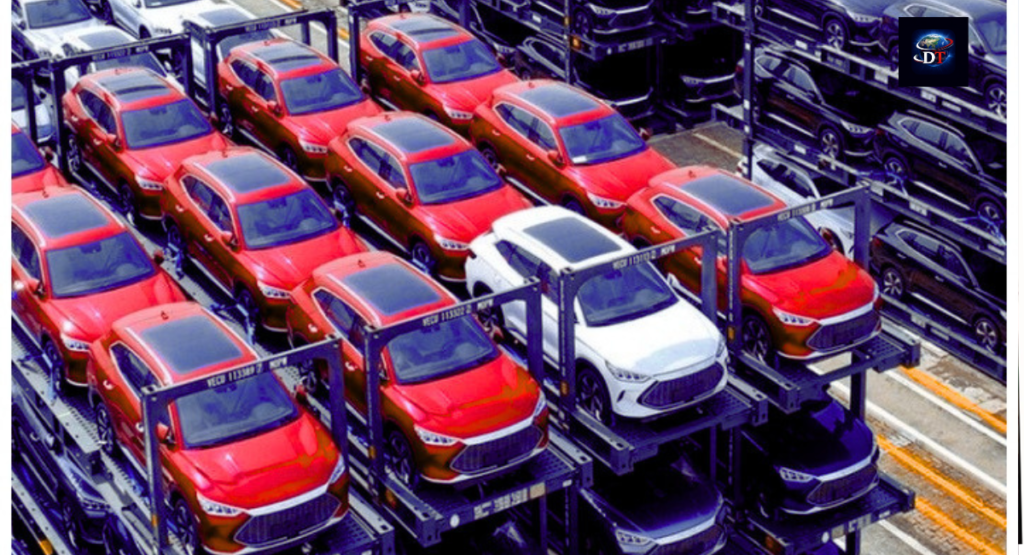
The Pakistan Car Duties Cut Plan includes reducing customs duties on completely built-up vehicles. Officials propose a duty cap of 15 percent, replacing the current complex system. This reform could reduce barriers for importers while creating pressure for local producers to improve efficiency.
New Tariff Slabs Proposed
A four-slab tariff structure is expected to bring predictability. Rates of zero, five, ten and fifteen percent may replace the current model. Policymakers believe simplified slabs can reduce confusion, support compliance and improve transparency in trade administration across the auto sector.
Used Car Imports Expand
One major element is the phased reduction of the 40 percent regulatory duty on used vehicles. The Pakistan Car Duties Cut Plan may gradually remove this levy. This could widen consumer choice, support affordability and increase activity in Pakistan’s used car import market.
IMF Reform Conditions Matter
The policy is connected to Pakistan’s commitments under the IMF support programme. Authorities have pledged not to impose new regulatory duties on imports. This commitment signals movement toward liberalisation while linking auto reforms to broader fiscal and trade restructuring efforts.
Local Industry Faces Pressure
Domestic assemblers may face stronger competition as imported vehicles become easier to access. The Pakistan Car Duties Cut Plan could push manufacturers to improve quality, increase localisation and lower prices. Some analysts believe this may create healthier long-term industry competition.
Vehicle Prices May Shift
Consumers are watching whether lower duties lead to cheaper vehicles. Reduced tariffs may lower import costs, though exchange rates and taxes still matter. If reforms are applied effectively, buyers could see gradual changes in pricing trends over the coming years.
Import Rules Get Tougher
The government is also tightening oversight through changes in import schemes. Baggage-based vehicle imports face restrictions, while commercial channels are being legalised. These steps aim to reduce misuse and bring more transparency into the vehicle import framework.
Safety Law Supports Reform
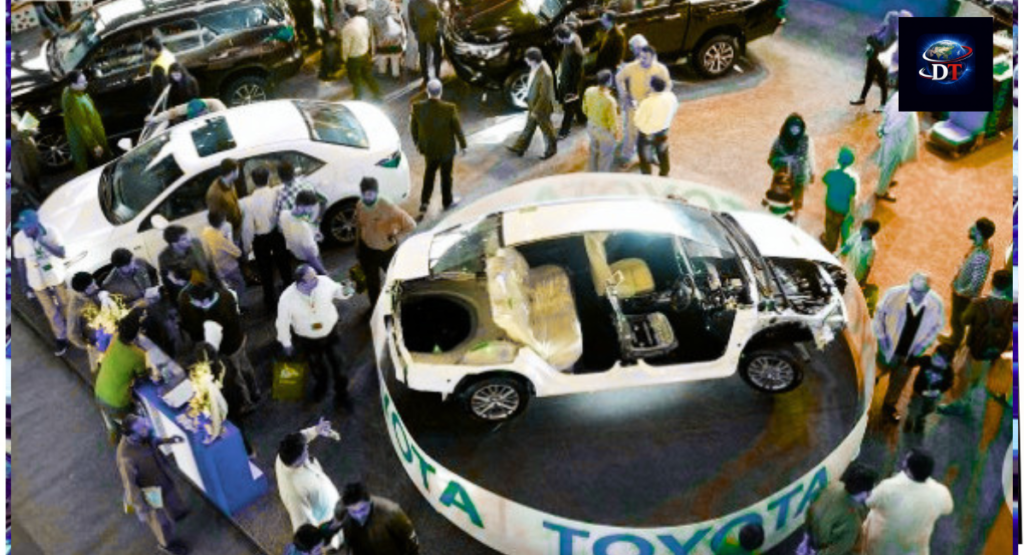
A proposed Motor Vehicle Development Act may provide legal backing for environmental and safety standards. Supporters say regulation is necessary as markets open. The Pakistan Car Duties Cut Plan is therefore linked not only to trade reform, but also to standards and governance.
Competition May Increase
Opening the market could attract more brands and wider product choices. More competition may improve service quality and innovation. Supporters argue consumers benefit when companies compete on price, performance and technology rather than relying on long-term protection.
Auto Market Outlook 2030
By 2030, the Pakistan Car Duties Cut Plan aims to transform the sector through lower tariffs, phased duty removal and wider imports. Success will depend on implementation, investor confidence and stable policy. If targets are met, Pakistan’s auto market could become more open, competitive and consumer focused.
conclusion
Pakistan Car Duties Cut Plan reflects a major reform shift. If implemented well, it may support growth, improve market access, increase competition and help reshape Pakistan’s automobile sector in the years ahead.
FAQ :
What is Pakistan Car Duties Cut Plan?
Pakistan Car Duties Cut Plan is a reform policy aimed at lowering tariffs, reducing duties and opening the auto market by 2030.
Will car prices fall under Pakistan Car Duties Cut Plan?
Lower duties may support reduced prices, though exchange rates, taxes and supply factors can still affect final vehicle costs.
How will Pakistan Car Duties Cut Plan affect imports?
The plan may increase vehicle imports by easing tariff barriers and phasing out some regulatory duties.
Will used cars benefit from the new policy?
Yes, the policy includes gradual reduction of duties on used vehicle imports, which may improve consumer options.
Why is IMF linked to Pakistan Car Duties Cut Plan?
The reforms align with broader commitments tied to Pakistan’s IMF economic programme and tariff restructuring.

I am the founder and writer at Duniya Time.com, a news website focused on national and international news, social issues, and history. With a background in Islamic History, I write research-based articles in a clear and honest style. My goal is to share accurate information, thoughtful analysis, and meaningful stories that help readers stay informed and understand the world better.